
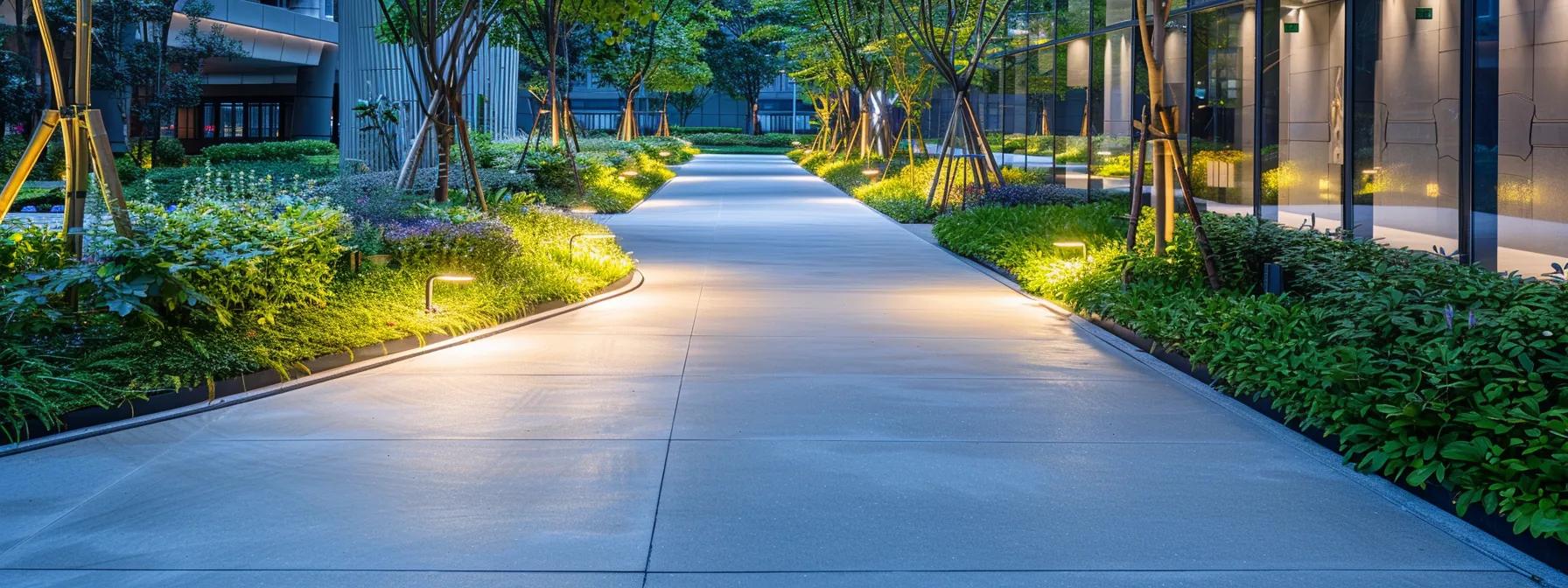
Are you concerned about potential trip hazards on your commercial property? Trip hazard removal offers significant benefits for business owners. This article will explore how eliminating these hazards can improve safety standards, reduce liability risks, and enhance property value. By addressing these issues, you’ll create a safer environment for customers and employees while potentially increasing your property’s market appeal. Learn how outsourcing this task can save time and resources, allowing you to focus on core business operations.
Key Takeaways
- Regular trip hazard removal improves safety and reduces liability risks for commercial properties
- Effective maintenance strategies and staff training are crucial for preventing accidents and lawsuits
- Enhancing accessibility through ADA compliance and clear pathways benefits both customers and employees
- Documenting safety measures and consulting legal experts helps reduce liability for property owners
- Removing trip hazards can boost property value and market appeal by attracting safety-conscious tenants

Improve Safety Standards Through Trip Hazard Removal in Properties
Improving safety standards through trip hazard removal is crucial for commercial properties. This process involves identifying common hazards, assessing risks associated with uneven surfaces, implementing effective maintenance strategies, training staff on safety protocols, and monitoring compliance with building codes. By addressing these areas, property owners can protect their valuable assets, prevent injuries, and ensure a safer environment for occupants and visitors.
Identify Common Trip Hazards in Commercial Areas
Commercial property managers must conduct thorough surveillance of their premises to identify common trip hazards. These hazards may include uneven surfaces, loose tiles, frayed carpets, or poorly maintained walkways. Regular inspections help prevent accidents and potential insurance claims, safeguarding both employees and visitors.
Property owners should also consider trip hazards when negotiating lease agreements and employment contracts. By clearly outlining responsibilities for maintenance and safety, they can reduce liability and ensure a safer environment. Additionally, maintaining proper credit standing allows for investments in necessary repairs and upgrades to address identified trip hazards promptly.
Assess Risks Associated With Uneven Surfaces
Inspectors with appropriate credentials assess the risks associated with uneven surfaces in commercial properties. They evaluate the vulnerability of different areas, paying close attention to high-traffic zones and stairs where trip hazards pose significant dangers.
Comprehensive risk assessments help property managers prioritize repairs and allocate resources effectively. By identifying potential hazards early, commercial property owners can implement preventive measures, reducing the likelihood of accidents and potential liability issues.
Implement Effective Maintenance Strategies
Effective maintenance strategies are crucial for preventing trip hazards in commercial properties. Property managers should establish regular inspection schedules, incorporating both routine checks and comprehensive home inspections. These assessments help identify potential risks, such as uneven surfaces or damaged flooring, which could lead to accidents or even assault incidents if left unaddressed.
Implementing a proactive maintenance approach involves promptly addressing identified issues and keeping detailed records of repairs. This information is valuable for legal compliance and can serve as evidence in case of law-related disputes. Additionally, well-maintained properties are less attractive targets for burglary, as they indicate attentive management and vigilant security measures. Key components of an effective maintenance strategy include:
- Regular inspections and risk assessments
- Prompt repair of identified hazards
- Detailed documentation of maintenance activities
- Staff training on hazard identification and reporting
- Implementation of preventive measures to reduce future risks
Train Staff on Safety Protocols
Staff training on safety protocols is essential for effective trip hazard management in commercial properties. Organizations should implement comprehensive training programs that cover hazard identification, emergency response procedures, and proper reporting mechanisms. This proactive approach enhances perimeter security and reduces the risk of accidents, potential lawsuits, and even robbery incidents.
Training sessions should educate staff on legal implications and the importance of maintaining a safe environment. Employees should be encouraged to report potential hazards promptly and understand their role in preventing accidents. By fostering a safety-conscious culture, organizations can create a more secure workplace and minimize the need for legal intervention. Key elements of an effective safety training program include:
- Hazard identification techniques
- Emergency response procedures
- Proper reporting protocols
- Legal responsibilities and liability awareness
- Ongoing safety education and refresher courses
Monitor Compliance With Safety Regulations
Monitoring compliance with safety regulations is essential for effective trip hazard removal in commercial properties. Property managers use cameras to document potential hazards and track maintenance progress, improving overall productivity and reducing the risk of lawsuits. Regular inspections and data collection help identify trends and areas requiring immediate attention.
Maintaining accurate statistics on safety incidents and compliance rates enables property owners to demonstrate their commitment to safety standards. This proactive approach not only minimizes the risk of accidents but also strengthens the property’s defense in case of legal challenges. Implementing a robust compliance monitoring system ensures continuous improvement in safety measures and helps prevent costly lawsuits.
- Install surveillance cameras in high-risk areas
- Conduct regular safety audits and inspections
- Maintain detailed records of maintenance activities
- Analyze safety incident data to identify trends
- Implement corrective actions based on compliance findings
Increase Accessibility for Customers and Employees

Increasing accessibility in commercial properties through trip hazard removal benefits both customers and employees. This section explores complying with ADA guidelines, creating clear pathways, installing proper signage, evaluating parking and walking areas, and fostering an inclusive environment. These measures enhance commercial building security, improve commercial property value, and reduce the need for police intervention due to accidents or safety concerns.
Ensure Compliance With ADA Guidelines
Ensuring compliance with ADA guidelines is crucial for commercial properties to increase accessibility and safety. Property owners must consider various aspects, including occupational safety and health standards, to create an environment that accommodates all individuals. By addressing trip hazards and implementing proper fire alarm systems, businesses can reduce the risk of accidents and theft while promoting inclusivity.
The National Association of Realtors emphasizes the importance of ADA compliance in commercial real estate. By adhering to these guidelines, property owners not only enhance accessibility for customers and employees but also create a safer environment for various occupations, including nursing. Implementing ADA-compliant features can significantly improve a property’s value and appeal to a broader range of tenants and visitors.
Create Clear Pathways for Easy Navigation
Creating clear pathways for easy navigation is essential in commercial properties. Management must pay attention to removing trip hazards and ensuring unobstructed routes to doors and exits. This approach enhances safety for employees and visitors while facilitating efficient movement throughout the building.
Installing security cameras along these pathways serves a dual purpose. They deter potential safety violations and provide valuable footage for reviewing incidents. Clear pathways also allow for better emergency response, crucial for maintaining a secure environment. Key considerations for creating clear pathways include:
- Removing obstacles and trip hazards
- Ensuring proper lighting along walkways
- Maintaining wide, unobstructed corridors
- Installing visible signage for directions
- Regularly inspecting and maintaining pathways
Install Proper Signage for Safety Awareness
Installing proper signage for safety awareness is a crucial aspect of increasing accessibility in commercial properties. Building security personnel can effectively utilize signage to guide customers and employees through safe pathways, reducing the risk of accidents and potential legal issues. Property managers must allocate budget for clear, concise signs that alert occupants to potential hazards and provide direction in emergencies.
Effective signage not only enhances safety but also supports law enforcement efforts in maintaining order within the property. When negotiating contracts with tenants or service providers, property owners should include provisions for maintaining and updating safety signage. This proactive approach demonstrates commitment to occupant well-being and can potentially reduce liability in the event of accidents. Key considerations for effective safety signage include:
- Consistent design and placement throughout the property
- Use of universal symbols and multiple languages when appropriate
- Regular maintenance and updates to reflect changes in building layout or regulations
- Integration with emergency response plans and evacuation routes
- Compliance with local and federal safety standards
Evaluate Parking and Walking Areas for Safety
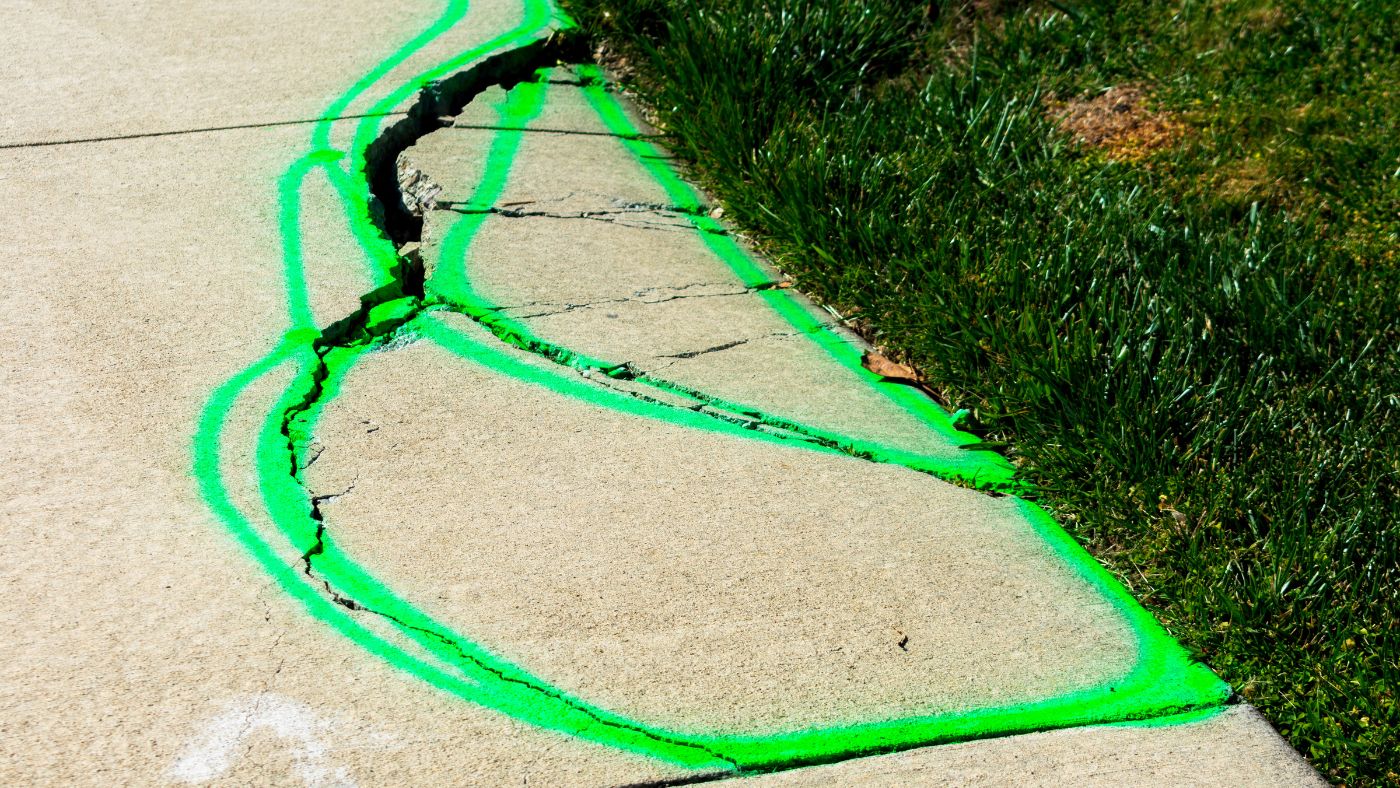
Commercial property managers must regularly evaluate parking and walking areas for safety hazards. This evaluation includes checking for cracked pavements, potholes, and uneven surfaces that could cause trips or falls. Special attention should be given to areas prone to ice formation during winter months, ensuring proper ice removal and salt application to prevent accidents.
The installation of an effective access control system can enhance safety in parking areas by restricting unauthorized entry. Property managers should also inspect the lighting in these areas, ensuring adequate illumination to prevent accidents and deter criminal activity. Regular maintenance of electrical fixtures in parking lots and walkways is crucial for safety and proper functionality of security systems, including surveillance cameras and emergency call boxes.
Foster an Inclusive Environment for All
Commercial property owners can foster an inclusive environment by removing trip hazards and implementing accessibility features that cater to diverse needs. By prioritizing safety and accessibility, they demonstrate their commitment to creating a welcoming space for all customers and employees, including those with mobility challenges. This approach enhances the retail experience and builds a positive reputation for the property.
Implementing comprehensive emergency evacuation plans that consider the needs of all individuals further promotes inclusivity. Property managers should ensure that staff possess the necessary knowledge to assist people with various abilities during emergencies. This proactive approach not only improves safety but also deters vandals by showcasing a well-maintained and security-conscious environment.
Reduce Liability Risks for Business Owners
Reducing liability risks for business owners is crucial when addressing trip hazards in commercial properties. This section explores legal implications, maintenance documentation, staff training on safety reporting, risk management planning, and legal consultations. By focusing on these areas, businesses can protect themselves from potential damages and ensure professional security measures are in place, including proper exit signs and water management.
Understand the Legal Implications of Trip Hazards
Commercial property owners must understand the legal implications of trip hazards to protect themselves from potential lawsuits. Failure to address these hazards can result in costly litigation and damage to the business’s reputation. Property management teams should work closely with security personnel to identify and rectify potential trip hazards promptly.
Implementing a comprehensive fire protection strategy, including a properly maintained fire sprinkler system, is crucial for reducing liability risks. Regular inspections and maintenance of fire safety equipment demonstrate a commitment to occupant safety and can serve as evidence of due diligence in legal proceedings. Property owners should document all fire-related safety measures and inspections to strengthen their legal position in case of accidents or fires.
- Conduct regular safety audits to identify potential trip hazards
- Maintain detailed records of all safety-related inspections and repairs
- Train staff on proper reporting procedures for potential hazards
- Ensure compliance with local and national safety regulations
- Consult with legal experts to understand specific liability risks in the property’s jurisdiction
Document Regular Maintenance Activities
Documenting regular maintenance activities is crucial for reducing liability risks in commercial properties. Property managers must maintain detailed records of all safety-related inspections, repairs, and improvements, including those addressing trip hazards. These records serve as evidence of the property owner’s commitment to safety and can be invaluable in defending against potential lawsuits.
Comprehensive documentation should include dates, times, and specific actions taken to address safety concerns. This practice not only helps in retail loss prevention but also ensures compliance with health and safety regulations. Property managers should consider implementing digital record-keeping systems to streamline the documentation process and facilitate easy access to maintenance histories when needed.
Train Staff on Reporting Safety Issues
Training staff on reporting safety issues is crucial for construction companies to maintain regulatory compliance and reduce liability risks. Employees should be educated on identifying potential trip hazards and encouraged to report them promptly through established channels. This proactive approach helps prevent accidents and demonstrates the company’s commitment to safety, potentially saving money on legal fees and insurance premiums.
Implementing effective access control systems can support staff in monitoring and reporting safety concerns. These systems can track who enters specific areas, helping identify the source of potential hazards and streamlining the reporting process. By integrating safety reporting into daily operations, companies create a culture of vigilance that enhances overall workplace safety and minimizes legal risks associated with trip hazards.
Implement a Risk Management Plan
Implementing a comprehensive risk management plan is essential for commercial property owners to reduce liability risks associated with trip hazards. The plan should address physical security measures, including proper fencing and debris removal, to minimize potential accidents. Property managers must ensure compliance with Occupational Safety and Health Administration guidelines to maintain a safe environment for tenants and visitors.
Regular inspections and prompt maintenance are crucial components of an effective risk management strategy. Property owners should establish clear protocols for identifying and addressing potential hazards, such as uneven surfaces or loose flooring. By proactively managing these risks, businesses can protect themselves from liability claims and create a safer workplace for all occupants.
Consult With Legal Experts on Best Practices
Commercial property owners should consult with legal experts to develop best practices for trip hazard removal and liability reduction. These consultations can provide valuable insights into local regulations, including snow removal requirements and landlord responsibilities. Legal professionals can guide property managers in establishing comprehensive security tips and protocols to prevent violent crime and protect tenants.
Expert legal advice helps property owners understand their obligations regarding funding for safety improvements and maintenance. Attorneys can assist in drafting contracts that clearly define responsibilities for hazard removal, potentially reducing liability in case of accidents. This proactive approach demonstrates a commitment to safety and can strengthen the property owner’s position in potential legal disputes.
Enhance Your Property’s Aesthetic Appeal
Enhancing a commercial property’s aesthetic appeal through trip hazard removal offers multiple benefits. This section explores selecting durable materials, designing visually impactful walkways, incorporating landscaping, maintaining outdoor areas, and updating surfaces to reflect brand identity. These strategies not only improve safety but also boost property value and appeal, considering factors like liability insurance, fire safety, and vehicle access. Proper data management supports these improvements, ensuring long-term aesthetic and functional benefits.
Choose Durable Materials for Long-Lasting Results
Selecting durable materials for trip hazard removal is a crucial component of an effective security plan for commercial properties. Property managers who invest in high-quality, long-lasting surfaces reduce the risk of future hazards and minimize maintenance costs. This strategy not only enhances safety but also contributes to a positive reputation, demonstrating a commitment to quality and visitor well-being.
Durable materials serve as a valuable tool in mitigating potential risks associated with uneven surfaces. By choosing materials that withstand heavy foot traffic and weather conditions, property owners create a more stable and secure environment. This proactive approach aligns with comprehensive risk management strategies, protecting both visitors and the property’s long-term value.
Design Walkways and Entrances for Visual Impact
Designing walkways and entrances for visual impact enhances a commercial property’s aesthetic appeal while addressing trip hazards. Property managers can incorporate attractive, slip-resistant materials and strategic lighting to create safe, visually appealing pathways. These design elements not only reduce accident risks but also improve the overall ambiance of the premises, contributing to effective commercial property management.
Integrating a public address system near entrances can further enhance safety and aesthetics. This feature allows for clear communication during emergencies and adds a modern touch to the property. By combining visual appeal with safety features, property managers demonstrate their commitment to both aesthetics and risk assessment, creating a more inviting and secure environment for visitors and tenants.
Incorporate Landscaping to Blend With Surfaces
Incorporating landscaping to blend with surfaces enhances the aesthetic appeal of commercial properties while addressing trip hazards. Business owners can create a harmonious space by selecting plants and materials that complement existing surfaces, reducing the visual impact of level changes. This approach not only improves safety but also fosters a positive community environment, encouraging desirable behavior among visitors and tenants.
Strategic landscaping can serve multiple purposes in commercial spaces, including pest prevention and surface transition management. By integrating natural elements with hardscapes, property managers can create smooth transitions between different surface levels, minimizing trip risks while maintaining visual appeal. This thoughtful approach to landscaping demonstrates a commitment to both safety and aesthetics, benefiting the entire business community:
Regularly Clean and Maintain Outdoor Areas
Regular cleaning and maintenance of outdoor areas are essential components of commercial security systems. Property managers should develop a comprehensive checklist for outdoor maintenance, including trip hazard removal, to ensure a safe and attractive environment. This proactive approach demonstrates a commitment to safety and aesthetics, potentially increasing the property’s value as an investment.
Implementing effective access control measures in conjunction with outdoor maintenance helps prevent unauthorized entry and reduces the risk of accidents. By prioritizing regular cleaning and upkeep, property owners can avoid claims of negligence and create a positive impression on visitors and tenants. This attention to detail enhances the overall appeal of the commercial property while minimizing potential liability issues.
Update Surfaces to Reflect Brand Identity
Property managers can update surfaces to reflect brand identity while addressing trip hazards, enhancing both accessibility and security. By incorporating corporate colors or logos into slip-resistant flooring materials, they create a cohesive visual experience that aligns with the company’s image. This approach not only improves safety but also strengthens brand recognition throughout the property.
Integrating advanced security features, such as fingerprint access points, into updated surfaces demonstrates a commitment to both aesthetics and protection. An inspector can evaluate these improvements to ensure compliance with safety standards while maintaining the desired brand image. This holistic approach to surface updates enhances the property’s overall appeal and functionality.
Improve Customer Experience and Satisfaction
Improving customer experience and satisfaction through trip hazard removal is crucial for commercial properties. This section explores creating safe entrances, minimizing hazard-related complaints, gathering safety feedback, showcasing commitment to customer safety, and designing safe events. These strategies enhance security measures, reduce crime risks, and support fire prevention efforts while potentially lowering insurance fees. Effective implementation of these approaches can significantly improve customer satisfaction and property value.
Create Safe and Welcoming Entrances
Creating safe and welcoming entrances is essential for commercial properties seeking to improve customer experience and satisfaction. Property managers should prioritize removing trip hazards and implementing biometric security measures to enhance safety while maintaining an inviting atmosphere. Regular inspections ensure that entrance areas remain hazard-free and comply with safety standards, potentially reducing the need for costly loans to address safety issues.
Effective entrance design incorporates both aesthetic appeal and practical safety features. Property owners can install slip-resistant flooring and proper lighting to minimize risks associated with cash transactions and foot traffic. These improvements not only enhance security but also create a positive first impression for visitors, potentially increasing the property’s value during future inspections. Key elements of safe and welcoming entrances include:
- Slip-resistant flooring materials
- Adequate lighting for visibility and security
- Clear signage and wayfinding
- Properly maintained doors and thresholds
- Integration of biometric access control systems
Minimize Complaints Related to Hazards
Property managers can significantly reduce complaints related to hazards by implementing comprehensive trip hazard removal strategies in buildings. Regular inspections and prompt maintenance of flooring surfaces, combined with adequate lighting, enhance visibility and minimize the risk of accidents. This proactive approach improves the overall customer experience and demonstrates a commitment to safety.
Installing clear signage and maintaining well-marked emergency exits further contribute to hazard reduction and customer satisfaction. By prioritizing these safety measures, property owners create a secure environment that enhances visibility and facilitates easy navigation, ultimately minimizing complaints and potential liability issues.
Gather Feedback on Safety Improvements
Real estate professionals can gather valuable feedback on safety improvements through strategic analytics of customer interactions. By implementing digital surveys and monitoring credit card transaction patterns, property managers gain insights into visitor satisfaction regarding trip hazard removal efforts. This data-driven approach allows for targeted enhancements that directly address customer concerns and improve overall safety perceptions.
Effective feedback collection extends beyond digital methods, incorporating on-site safety checks that involve tenants and visitors. Property managers can conduct regular walk-throughs with stakeholders, noting areas where smoke detectors or emergency lighting may need upgrades. This collaborative approach not only identifies potential hazards but also demonstrates a commitment to continuous improvement in commercial property safety standards.
Showcase Commitment to Customer Safety
Commercial property managers can showcase their commitment to customer safety by implementing comprehensive safety protocols and utilizing advanced software for hazard detection. Regular assessments and prompt removal of trip hazards demonstrate a proactive approach to maintaining a secure environment. This dedication to safety enhances customer trust and satisfaction, potentially leading to increased foot traffic and revenue.
Integrating video surveillance systems and emergency service protocols further reinforces a property’s commitment to customer well-being. These measures not only deter potential safety risks but also provide quick response capabilities in case of incidents. By visibly prioritizing safety, commercial properties create a positive impression on visitors and tenants alike. Key elements of showcasing safety commitment include:
- Regular safety audits and hazard removal
- Implementation of advanced security technologies
- Clear communication of safety measures to customers
- Staff training on emergency response procedures
- Continuous improvement of safety infrastructure
Design Events With Safety in Mind
Designing events with safety in mind is crucial for commercial properties seeking to improve customer experience and satisfaction. Event planners must prioritize trip hazard removal and implement comprehensive security measures, including strategically positioned security guards and advanced sensor technology. By addressing potential safety concerns proactively, property managers create a secure environment that enhances attendee comfort and enjoyment.
Effective event safety design incorporates clear emergency exit routes, well-lit pathways, and easily accessible first aid stations. Integrating sensors to monitor crowd flow and detect potential hazards allows for quick response times and minimizes risks. This approach not only ensures attendee safety but also demonstrates the property’s commitment to providing a positive and secure experience:
Boost Property Value and Market Appeal
Removing trip hazards in commercial properties can significantly boost property value and market appeal. This section explores how regular maintenance preserves value, showcasing safety features attracts tenants, and promoting upgrades enhances marketing efforts. It also examines the importance of monitoring market trends for valuation insights, demonstrating how these strategies collectively improve a property’s overall worth and attractiveness to potential buyers or tenants.
Invest in Regular Maintenance to Preserve Value
Regular maintenance is crucial for preserving the value of commercial properties and mitigating trip hazards. Property managers who invest in routine inspections and repairs can prevent minor issues from escalating into costly problems. This proactive approach not only enhances safety but also demonstrates a commitment to property upkeep, which can significantly impact market valuation.
By prioritizing ongoing maintenance, commercial property owners create a safer environment for tenants and visitors while protecting their investment. Regular upkeep helps identify and address potential trip hazards promptly, reducing liability risks and maintaining the property’s aesthetic appeal. This consistent attention to detail can lead to higher occupancy rates and increased property value over time.
Highlight Safety Features During Showings
Commercial property managers can significantly boost market appeal by highlighting safety features during showings. Emphasizing the removal of trip hazards and the implementation of comprehensive safety measures demonstrates a commitment to tenant well-being. This approach not only showcases the property’s value but also addresses potential concerns of prospective buyers or tenants.
During property tours, managers should draw attention to specific safety improvements, such as non-slip flooring, well-maintained walkways, and clear emergency exits. These features can be presented as valuable assets that contribute to the overall worth of the property, potentially justifying higher rental rates or sale prices. By focusing on safety enhancements, property managers can differentiate their offerings in a competitive market.
Attract New Tenants With a Safe Environment
Commercial property managers can attract new tenants by creating a safe environment through comprehensive trip hazard removal. By prioritizing safety measures, such as maintaining even surfaces and clear pathways, property owners demonstrate their commitment to tenant well-being. This approach not only reduces liability risks but also enhances the property’s overall appeal to potential occupants.
Highlighting safety features during property tours can significantly influence tenant decisions. Managers should emphasize specific improvements, such as non-slip flooring and well-lit common areas, to showcase the property’s value. This focus on safety can justify higher rental rates and attract quality tenants who prioritize a secure working environment:
Promote Safety Upgrades in Marketing Materials
Commercial property managers can effectively promote safety upgrades in their marketing materials to boost property value and market appeal. By highlighting recent trip hazard removals and other safety improvements, they demonstrate a commitment to tenant well-being and property maintenance. This approach can attract safety-conscious tenants and potentially justify higher rental rates.
Incorporating before-and-after photos of hazard removals in brochures and online listings can visually showcase the property’s enhanced safety features. Property managers can also include testimonials from current tenants praising the improved safety measures, further reinforcing the property’s value proposition to potential renters or buyers.
Monitor Market Trends for Valuation Insights
Commercial property managers should actively monitor market trends to gain valuable insights for property valuation, especially when considering trip hazard removal investments. By analyzing local real estate data and industry reports, managers can identify how safety improvements impact property values in their area. This information helps justify the cost of hazard removal projects and supports strategic decision-making for property upgrades.
Staying informed about emerging safety technologies and regulations allows property managers to anticipate future market demands. By proactively addressing safety concerns, such as trip hazards, managers can position their properties ahead of market trends, potentially increasing their value and attractiveness to prospective tenants or buyers. Regular market analysis also helps in setting competitive rental rates that reflect the property’s enhanced safety features:
Conclusion
Trip hazard removal in commercial properties is essential for enhancing safety, reducing liability risks, and improving overall customer experience. By addressing these hazards, property owners demonstrate their commitment to creating a secure environment, which can significantly boost property value and market appeal. Implementing comprehensive maintenance strategies, training staff on safety protocols, and regularly updating surfaces not only prevent accidents but also contribute to a more aesthetically pleasing and functional space. Ultimately, investing in trip hazard removal proves to be a smart business decision, offering long-term benefits in terms of legal protection, tenant satisfaction, and increased property valuation. For expert assistance with trip hazard removal, contact SoCal PCC today!

