
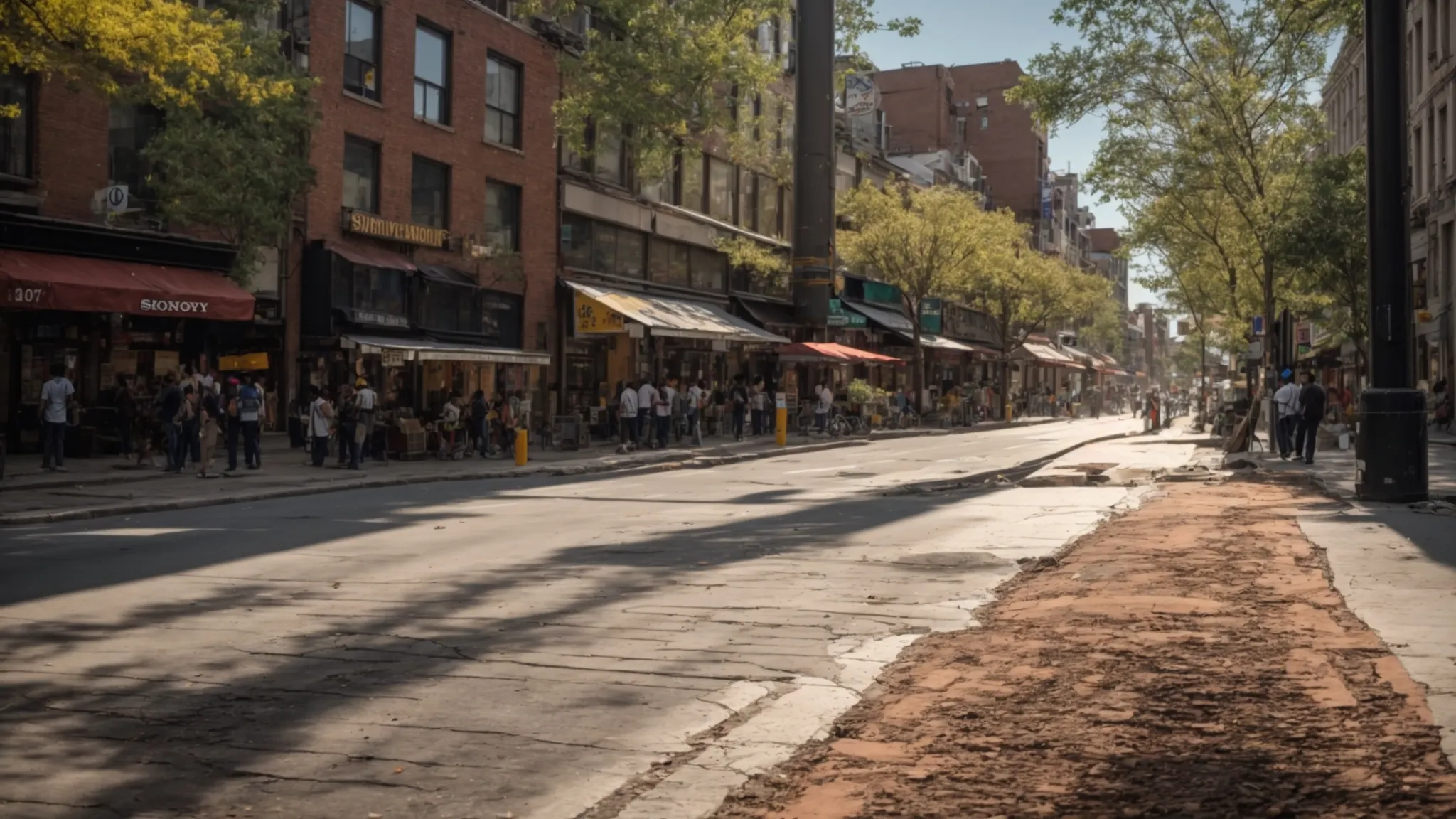
Why Timely Sidewalk Repair Is Crucial for Safety in High-Traffic Areas
Cracked and uneven sidewalks pose a significant safety risk in high-traffic areas. This article explores the importance of timely sidewalk repair, focusing on its impact on pedestrian safety and legal implications. We’ll discuss how proper maintenance can prevent accidents, reduce liability, and contribute to community well-being. By understanding the crucial role of sidewalk upkeep, readers will learn practical steps to ensure safer walkways in busy urban environments.
Key Takeaways
- Regular sidewalk inspections and timely repairs are crucial for pedestrian safety in high-traffic areas
- Proactive maintenance reduces long-term costs and prevents minor issues from becoming major hazards
- Property owners and municipalities share responsibility for sidewalk upkeep to mitigate liability risks
- Well-maintained sidewalks promote walkability, accessibility, and community engagement in urban environments
- Sustainable materials and smart technologies are shaping the future of sidewalk design and maintenance
Understanding the Impact of Sidewalk Damage on Safety

Sidewalk damage in high-traffic areas poses significant safety risks. This section examines common sidewalk defects, analyzes the dangers of uneven surfaces, and evaluates the consequences of delayed repairs. Understanding these factors highlights the importance of timely sidewalk repair and maintenance for public safety, preserving aesthetics, and preventing water-related wear.
Identifying Common Types of Sidewalk Defects
Sidewalk defects come in various forms, each posing unique risks to pedestrians. Common issues include cracks, uneven surfaces, and deteriorating edges. Regular inspections enable cities to identify these problems early, maintaining community pride and safety.
Improper drainage often leads to sidewalk damage, causing water accumulation and accelerated wear. Cities must address drainage issues promptly to prevent further deterioration and ensure safe pedestrian pathways. Effective drainage systems protect sidewalks and enhance their longevity.
Tree root intrusion, weathering, and heavy foot traffic contribute to sidewalk defects. Identifying these issues during routine inspections allows for timely repairs. Cities that prioritize sidewalk maintenance demonstrate a commitment to public safety and accessibility. Common sidewalk defects include:
- Cracks and fissures
- Uneven surfaces and trip hazards
- Deteriorating edges and corners
- Drainage-related damage
- Tree root intrusion
Analyzing the Risks Associated With Uneven Surfaces
Uneven surfaces on sidewalks pose significant risks to pedestrians, particularly in high-traffic areas. These hazards can lead to trips, falls, and injuries, affecting people of all ages and abilities. Timely concrete sidewalk repair is essential to mitigate these risks and ensure safe passage for all users.
The dangers of uneven surfaces extend beyond immediate physical harm. Accessibility issues arise for individuals using mobility aids, wheelchairs, or strollers, potentially limiting their independence and community participation. Proper sidewalk maintenance and repair are crucial for creating inclusive public spaces that accommodate everyone’s needs.
Neglecting sidewalk repairs can result in legal liabilities for property owners and municipalities. Accidents caused by damaged sidewalks may lead to lawsuits and compensation claims. Regular inspections and prompt repairs help prevent such incidents, protecting both pedestrians and property owners from potential legal consequences.
Evaluating Consequences of Neglected Repairs
Neglected sidewalk repairs lead to escalating safety hazards, particularly in high-traffic areas. Root intrusion from nearby landscaping can exacerbate existing damage, creating more severe trip hazards. Timely repair programs are essential to prevent these issues from worsening and compromising pedestrian safety.
Delayed repairs often result in more extensive and costly sidewalk replacement projects. What begins as a minor crack can quickly develop into a major safety concern, requiring significant investment to rectify. Implementing a proactive maintenance program helps municipalities manage costs while ensuring public safety.
Neglecting sidewalk repairs can have legal implications for property owners and local governments. Accidents caused by damaged sidewalks may lead to liability claims, potentially resulting in costly lawsuits. Regular inspections and prompt repairs demonstrate a commitment to public safety and help mitigate legal risks.
The Necessity of Timely Sidewalk Maintenance in Busy Areas

Timely sidewalk maintenance in high-traffic areas is essential for preserving infrastructure and ensuring public safety. This section examines strategies for identifying critical zones requiring attention, scheduling effective repairs, and implementing proactive maintenance approaches. By addressing damage, curb issues, and erosion promptly, cities can mitigate risks associated with heavy pedestrian traffic and maintain safe, accessible pathways.
Recognizing the High Traffic Zones Requiring Attention
Identifying high-traffic zones is crucial for timely sidewalk repair and maintenance. These areas, often near commercial districts, schools, and public transportation hubs, experience heavy foot traffic that accelerates wear and tear. Regular inspections of these zones help cities prioritize repairs, ensuring pedestrian safety and maintaining property values.
Trees in high-traffic areas contribute to the quality of life but can also cause sidewalk damage. Roots may lift concrete slabs, creating trip hazards. Timely intervention in these zones prevents accidents and costly repairs, balancing urban greenery with pedestrian safety.
Municipalities must consider the impact of sidewalk conditions on local taxes and property values. Well-maintained sidewalks in high-traffic zones reflect positively on the community, potentially increasing property values. Timely repairs demonstrate effective use of tax dollars and improve overall neighborhood aesthetics:
Strategies for Effective Sidewalk Repair Scheduling
Effective sidewalk repair scheduling prioritizes high-traffic areas to minimize injury risks. Municipalities assess damage severity and pedestrian volume to determine repair urgency. This approach ensures critical repairs are addressed promptly, maintaining safe pedestrian environments.
Coordinating repairs with other infrastructure projects optimizes resources and reduces disruptions. Cities can schedule sidewalk repairs alongside road maintenance or utility work, streamlining efforts and minimizing inconvenience to residents. This strategy enhances efficiency and cost-effectiveness in urban planning.
Implementing a proactive maintenance schedule prevents minor issues from escalating into major hazards. Regular inspections and timely interventions extend sidewalk lifespan and reduce long-term repair costs. A well-planned maintenance strategy safeguards pedestrian safety and preserves urban infrastructure:
- Assess damage severity and pedestrian volume
- Coordinate with other infrastructure projects
- Conduct regular inspections
- Address minor issues promptly
- Implement long-term maintenance plans
Importance of Proactive Maintenance Approaches
Proactive maintenance approaches for sidewalks in high-traffic areas prevent minor issues from escalating into major safety hazards. Regular inspections and early interventions address cracks, uneven surfaces, and drainage problems before they worsen. This strategy reduces long-term repair costs and minimizes the risk of accidents.
Implementing a proactive maintenance program allows cities to allocate resources efficiently. By identifying and addressing potential issues early, municipalities can avoid costly emergency repairs and extend the lifespan of sidewalk infrastructure. This approach ensures pedestrian safety while optimizing budget allocation for urban maintenance.
Proactive sidewalk maintenance enhances accessibility and promotes community well-being. Well-maintained sidewalks encourage walking and outdoor activities, contributing to public health and reducing vehicle dependency. Cities that prioritize proactive maintenance create safer, more inviting public spaces for all residents:
Legal and Financial Implications of Inadequate Sidewalk Repair

Inadequate sidewalk repair in high-traffic areas carries significant legal and financial risks. This section examines liability issues for property owners, insurance claims related to sidewalk injuries, and the cost-effectiveness of timely repairs. Understanding these aspects helps municipalities and property owners prioritize sidewalk maintenance, mitigate risks, and manage resources effectively.
Assessing Liability Issues for Property Owners
Property owners bear significant liability for injuries resulting from poorly maintained sidewalks. In many jurisdictions, they are responsible for ensuring the safety of pedestrians using walkways adjacent to their properties. Failure to address sidewalk defects promptly can lead to legal consequences if accidents occur.
Regular sidewalk inspections and timely repairs are essential for property owners to mitigate liability risks. By documenting these efforts, owners demonstrate due diligence in maintaining safe pedestrian pathways. This proactive approach can serve as a defense in potential lawsuits arising from sidewalk-related injuries.
Property owners should be aware of local ordinances regarding sidewalk maintenance responsibilities. Some municipalities share liability with property owners, while others place the full burden on owners. Understanding these regulations helps owners navigate their legal obligations and potential financial risks:
- Conduct regular sidewalk inspections
- Address defects promptly
- Document all maintenance efforts
- Understand local sidewalk maintenance ordinances
- Consider liability insurance coverage
Understanding Insurance Claims Related to Sidewalk Injuries
Insurance claims related to sidewalk injuries often involve complex liability determinations. Insurers investigate factors such as the property owner’s maintenance practices, the severity of sidewalk defects, and local regulations governing sidewalk upkeep. This process helps determine responsibility and appropriate compensation for injured parties.
Property owners can mitigate insurance risks by maintaining comprehensive liability coverage. Adequate insurance protects against potential financial losses resulting from sidewalk-related accidents. Insurers may offer incentives for proactive maintenance, recognizing its role in reducing claim frequency and severity.
Municipalities face unique challenges with sidewalk injury claims. They must balance public safety concerns with budget constraints and legal obligations. Some cities implement shared responsibility programs, where property owners and local governments jointly address sidewalk maintenance to reduce liability exposure and improve overall pedestrian safety.
Evaluating the Cost-Effectiveness of Timely Repairs
Timely sidewalk repairs prove cost-effective by preventing minor issues from escalating into major hazards. Addressing small cracks or uneven surfaces early reduces the need for extensive reconstruction, saving municipalities and property owners significant expenses in the long run. This proactive approach also minimizes the risk of accidents and potential legal claims.
Regular maintenance schedules help distribute repair costs over time, making budgeting more manageable for cities and property owners. By investing in consistent upkeep, stakeholders avoid sudden, large expenditures associated with emergency repairs or liability settlements. This strategy allows for better financial planning and resource allocation.
The cost-effectiveness of timely repairs extends beyond immediate financial savings. Well-maintained sidewalks enhance property values, improve community aesthetics, and promote pedestrian activity. These benefits contribute to the overall economic health of neighborhoods and cities, demonstrating the long-term value of investing in sidewalk infrastructure.
Community Health and Safety Benefits of Sidewalk Repair
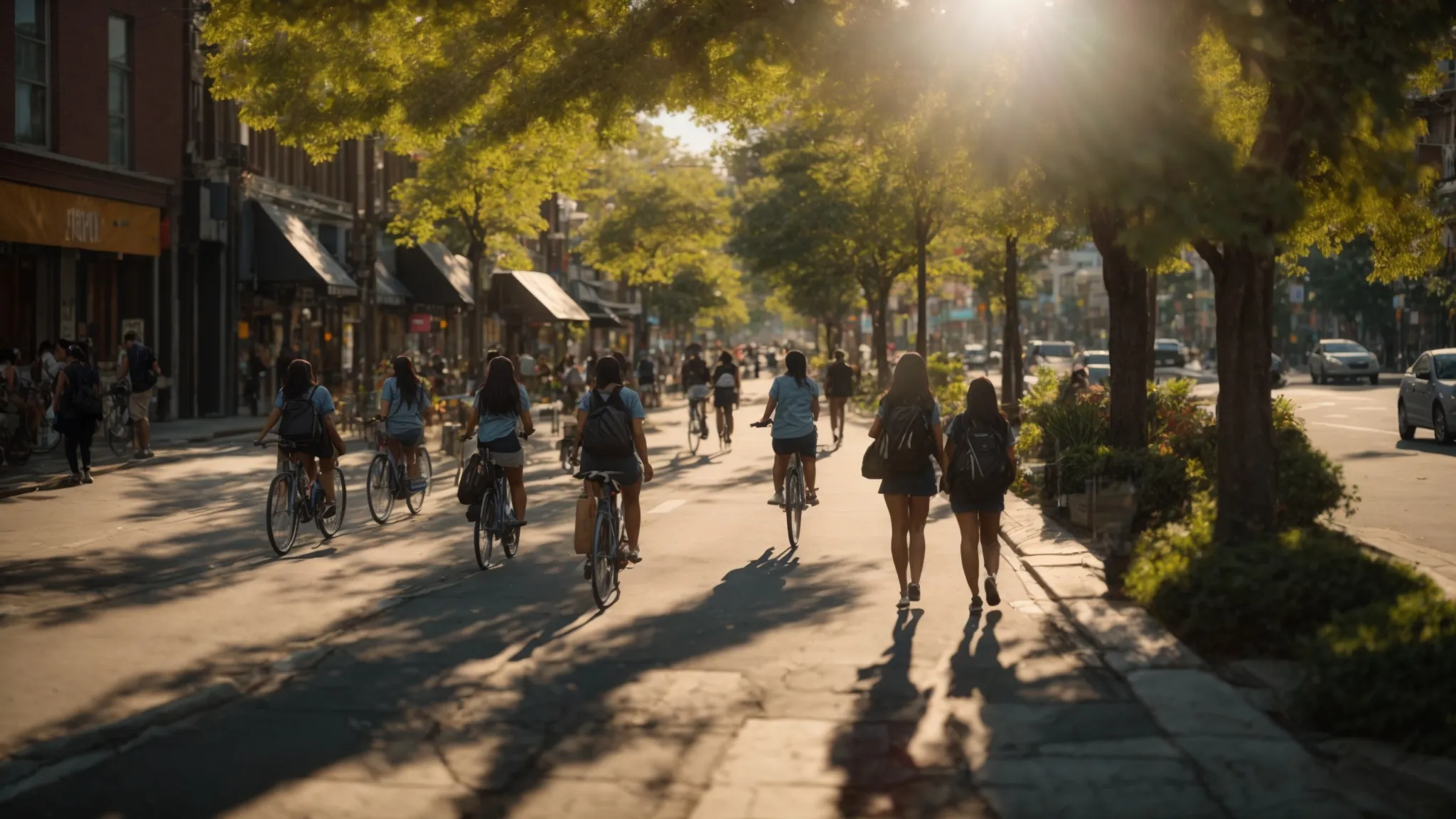
Timely sidewalk repair in high-traffic areas yields significant community health and safety benefits. This section explores how well-maintained sidewalks promote walkability and accessibility, encourage community engagement in maintenance efforts, and showcase successful repair initiatives. These aspects collectively contribute to safer, more inclusive public spaces that enhance community well-being and urban livability.
Promoting Walkability and Accessibility for All
Well-maintained sidewalks promote walkability and accessibility in high-traffic areas, benefiting diverse community members. Smooth, even surfaces reduce trip hazards for elderly pedestrians and individuals with mobility impairments. This inclusivity encourages active lifestyles and fosters community engagement.
Accessible sidewalks enhance urban mobility, connecting residents to public transportation, local businesses, and community services. Timely repairs ensure continuous pathways, removing barriers that might otherwise discourage walking or wheelchair use. This improved accessibility supports local economies and reduces reliance on vehicular transportation.
Cities prioritizing sidewalk maintenance often see increased foot traffic in commercial districts. Well-kept walkways attract pedestrians, boosting local business patronage and creating vibrant streetscapes. This pedestrian-friendly environment contributes to a sense of community and improves overall quality of life for residents and visitors alike.
Encouraging Community Engagement in Maintenance Efforts
Community engagement in sidewalk maintenance efforts fosters a sense of ownership and pride among residents. Local governments can organize volunteer programs for reporting sidewalk issues, allowing citizens to actively participate in maintaining their neighborhoods. This collaborative approach enhances community awareness of pedestrian safety and infrastructure needs.
Educational initiatives play a crucial role in encouraging community participation. Municipalities can conduct workshops or distribute informational materials to educate residents about the importance of sidewalk maintenance and their role in preserving public safety. These efforts empower citizens to identify and report potential hazards promptly.
Incentive programs can motivate property owners to maintain sidewalks adjacent to their properties. Cities may offer recognition or small rewards for exemplary sidewalk upkeep, creating a positive feedback loop that encourages ongoing community involvement. Such programs promote a culture of shared responsibility for public infrastructure:
- Volunteer reporting programs
- Educational workshops and materials
- Property owner incentive schemes
- Community clean-up events
- Neighborhood sidewalk audits
Highlighting Case Studies of Successful Sidewalk Repair Initiatives
Several cities have implemented successful sidewalk repair initiatives, demonstrating the positive impact of proactive maintenance. In Portland, Oregon, the Safe Sidewalks Program addresses sidewalk hazards through a combination of city-funded repairs and property owner partnerships. This approach has significantly reduced trip-and-fall incidents in high-traffic areas.
New York City’s Street Tree Program integrates sidewalk repair with urban forestry efforts. By addressing tree root damage and implementing flexible paving solutions, the city has improved walkability while preserving its urban canopy. This initiative showcases the balance between infrastructure maintenance and environmental considerations.
Chicago’s Shared Cost Sidewalk Program offers a cost-effective solution for property owners and the city. By splitting repair costs, this initiative accelerates sidewalk improvements across the city, particularly in high-traffic zones. The program’s success has led to increased pedestrian safety and enhanced neighborhood aesthetics:
- Reduced trip-and-fall incidents
- Improved urban canopy preservation
- Enhanced walkability in high-traffic areas
- Increased property owner participation
- Cost-effective repair solutions
Best Practices for Ensuring Sidewalk Safety
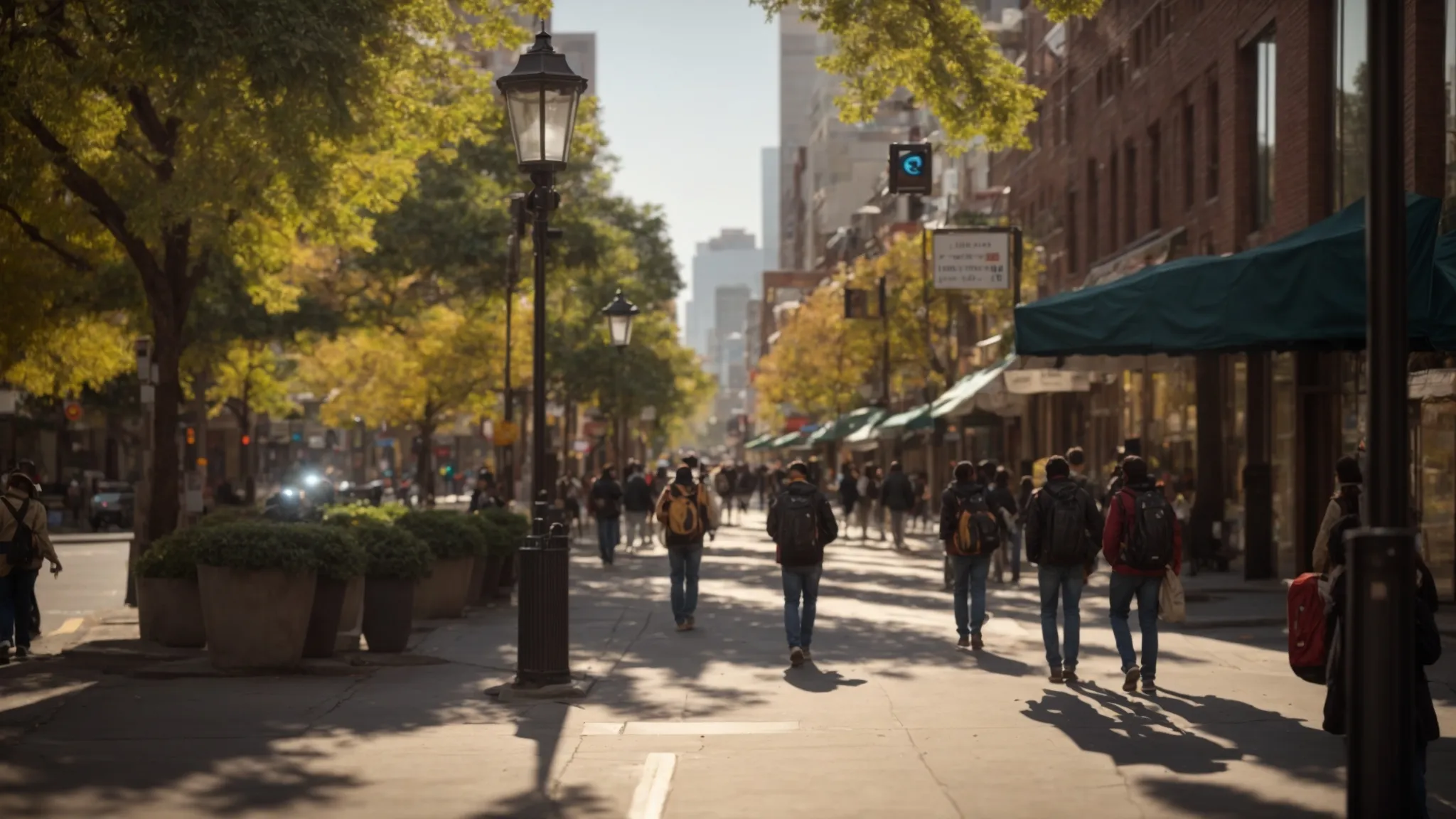
Ensuring sidewalk safety in high-traffic areas requires a comprehensive approach. This section explores best practices for maintaining safe pedestrian pathways, including selecting qualified contractors for repairs, establishing regular inspection schedules, and implementing community awareness campaigns. These strategies help municipalities and property owners proactively address sidewalk issues, reducing risks and enhancing public safety.
Identifying Qualified Contractors for Sidewalk Repairs
Selecting qualified contractors for sidewalk repairs ensures high-quality work and long-lasting results. Municipalities and property owners should verify contractors’ licenses, insurance coverage, and experience in concrete work. This due diligence helps prevent subpar repairs that could lead to future safety hazards.
Reviewing past projects and client testimonials provides insight into a contractor’s reliability and workmanship. Cities can maintain a pre-approved list of contractors who meet specific quality standards, streamlining the selection process for property owners. This approach promotes consistent repair quality across high-traffic areas.
Contractors specializing in Americans with Disabilities Act (ADA) compliance offer valuable expertise for creating accessible sidewalks. Their knowledge ensures repairs meet legal requirements and accommodate all pedestrians. Engaging these specialists helps cities create inclusive public spaces that enhance community mobility.
Maintaining Regular Inspection Schedules
Regular inspection schedules are essential for maintaining safe sidewalks in high-traffic areas. Municipalities should establish systematic procedures for examining sidewalk conditions, prioritizing zones with heavy pedestrian use. These inspections help identify potential hazards before they escalate into serious safety issues.
Trained personnel should conduct thorough assessments of sidewalk surfaces, curbs, and adjacent landscaping. They should document any cracks, unevenness, or other defects that could pose risks to pedestrians. This detailed record-keeping enables cities to track problem areas and plan repairs effectively.
Frequency of inspections may vary based on factors such as pedestrian volume, weather conditions, and historical repair data. A typical schedule might include quarterly assessments in high-traffic zones and annual inspections in less frequented areas. Consistent monitoring helps cities maintain safe walkways and allocate resources efficiently:
- Establish systematic inspection procedures
- Prioritize high-traffic areas
- Document defects and potential hazards
- Adjust inspection frequency based on local factors
- Use data to plan repairs and allocate resources
Implementing Community Awareness Campaigns
Community awareness campaigns play a vital role in promoting sidewalk safety in high-traffic areas. Cities can organize public events and workshops to educate residents about the importance of timely repairs and proper maintenance. These initiatives help foster a sense of shared responsibility for sidewalk upkeep among community members.
Social media and local news outlets serve as effective channels for disseminating information about sidewalk safety. Municipalities can use these platforms to share tips on identifying hazards, reporting issues, and understanding local regulations. Regular updates on repair projects keep residents informed and engaged in the process of maintaining safe pedestrian pathways.
Partnerships with schools and community organizations amplify the reach of sidewalk safety campaigns. By incorporating sidewalk maintenance into local curricula or hosting neighborhood clean-up events, cities can instill a culture of proactive care for public infrastructure. These collaborative efforts enhance community involvement and contribute to long-term sidewalk safety improvements.
Future Trends in Sidewalk Design and Maintenance

Future trends in sidewalk design and maintenance focus on enhancing safety and sustainability in high-traffic areas. This section explores sustainable materials for repairs, technological advancements in monitoring, and urban planning strategies for improved sidewalk safety. These innovations aim to create more durable, cost-effective, and pedestrian-friendly sidewalks that meet the evolving needs of urban environments.
Exploring Sustainable Materials for Sidewalk Repair
Sustainable materials for sidewalk repair offer eco-friendly alternatives to traditional concrete. Permeable pavers allow water infiltration, reducing runoff and improving urban drainage systems. These materials help mitigate urban heat island effects and contribute to more sustainable city infrastructure.
Recycled rubber and plastic composites provide durable, low-maintenance sidewalk solutions. These materials offer excellent slip resistance and shock absorption, enhancing pedestrian safety in high-traffic areas. Their flexibility also helps prevent cracking due to temperature changes or ground movement.
Photocatalytic concrete represents an innovative approach to sidewalk sustainability. This material contains titanium dioxide, which reacts with sunlight to break down air pollutants. By incorporating this technology into sidewalk repairs, cities can actively improve air quality while maintaining safe pedestrian pathways.
Leveraging Technology for Maintenance Monitoring
Advanced sensor technologies are revolutionizing sidewalk maintenance monitoring in high-traffic areas. Cities are deploying IoT-enabled devices to detect surface irregularities, temperature changes, and moisture levels in real-time. This proactive approach allows maintenance crews to address potential issues before they escalate into safety hazards.
Mobile applications empower citizens to report sidewalk defects efficiently. These user-friendly platforms enable pedestrians to submit geotagged photos and descriptions of sidewalk damage, creating a crowdsourced database of maintenance needs. Municipal authorities can prioritize repairs based on this real-time data, enhancing response times and resource allocation.
Artificial intelligence and machine learning algorithms analyze historical repair data and environmental factors to predict future sidewalk deterioration. This predictive maintenance model helps cities schedule repairs strategically, reducing costs and minimizing disruptions to pedestrian traffic. By leveraging these technologies, municipalities can maintain safer, more durable sidewalks in high-use areas.
Discussing Urban Planning Considerations for Improved Sidewalk Safety
Urban planners are incorporating wider sidewalks and buffer zones in high-traffic areas to enhance pedestrian safety. These design elements provide ample space for pedestrians, reducing the risk of collisions with vehicles and accommodating diverse mobility needs. By prioritizing pedestrian comfort and safety, cities create more walkable environments that encourage active transportation.
Integration of green infrastructure into sidewalk design improves both safety and sustainability. Planners are incorporating bioswales and rain gardens adjacent to sidewalks, which manage stormwater runoff and create natural barriers between pedestrians and vehicular traffic. These features enhance the urban landscape while contributing to safer, more resilient sidewalk networks.
Smart city technologies are being utilized to optimize sidewalk safety in urban planning. Adaptive lighting systems respond to pedestrian presence, ensuring well-lit pathways during nighttime hours. Additionally, real-time pedestrian flow data informs sidewalk design and maintenance strategies, allowing cities to adapt their infrastructure to changing usage patterns and enhance overall safety in high-traffic areas.
Conclusion
Timely sidewalk repair in high-traffic areas is essential for maintaining public safety, accessibility, and community well-being. Neglecting repairs can lead to significant legal and financial risks for property owners and municipalities, while proactive maintenance approaches prevent minor issues from escalating into major hazards. Well-maintained sidewalks promote walkability, enhance urban mobility, and contribute to vibrant, inclusive public spaces that benefit diverse community members. By prioritizing sidewalk safety through regular inspections, sustainable materials, and innovative technologies, cities can create more resilient, pedestrian-friendly environments that meet the evolving needs of urban populations.

