
 Key Takeaways
Trip hazards exceeding ¼ inch vertical displacement trigger ADA violations and liability exposure under California law. Property owners must understand Title 24 requirements, municipal enforcement patterns, and advanced identification methods to maintain compliance. Early detection through systematic inspection prevents emergency situations and ensures pedestrian safety across California’s diverse climate conditions.
Professional assessment using GIS mapping and precise measurement tools identifies potential hazards before they reach violation thresholds. Understanding California’s regulatory framework helps property managers develop effective maintenance strategies that protect both pedestrians and property investments.
Overview
California property owners face increasing scrutiny over sidewalk safety and ADA compliance. State regulations, municipal codes, and federal accessibility standards create a complex framework requiring proactive hazard identification. This guide examines California-specific requirements, advanced detection methods, and proven strategies for maintaining safe, compliant walkways.
From San Diego’s tree root challenges to Northern California’s seismic considerations, regional factors influence hazard formation patterns. Understanding these dynamics enables property managers to implement targeted inspection protocols that address local risk factors effectively.
Understanding California’s Official Trip Hazard Definitions
ADA guidelines establish ¼ inch as the maximum allowable vertical displacement between adjacent concrete surfaces. California enforces this federal standard through Title 24 Building Standards, which mandates accessible routes on all public and commercial properties.
Municipal interpretations vary across California jurisdictions. Los Angeles requires immediate attention for hazards exceeding ¼ inch, while San Diego County implements graduated enforcement based on pedestrian traffic levels. Orange County emphasizes proactive identification through regular inspection cycles.
Professional measurement determines compliance status accurately. Feeler gauges, digital calipers, and specialized concrete assessment tools provide precise readings necessary for documentation. ADA compliance assessment requires systematic evaluation of all pedestrian pathways.
California’s Regulatory Framework for Sidewalk Safety
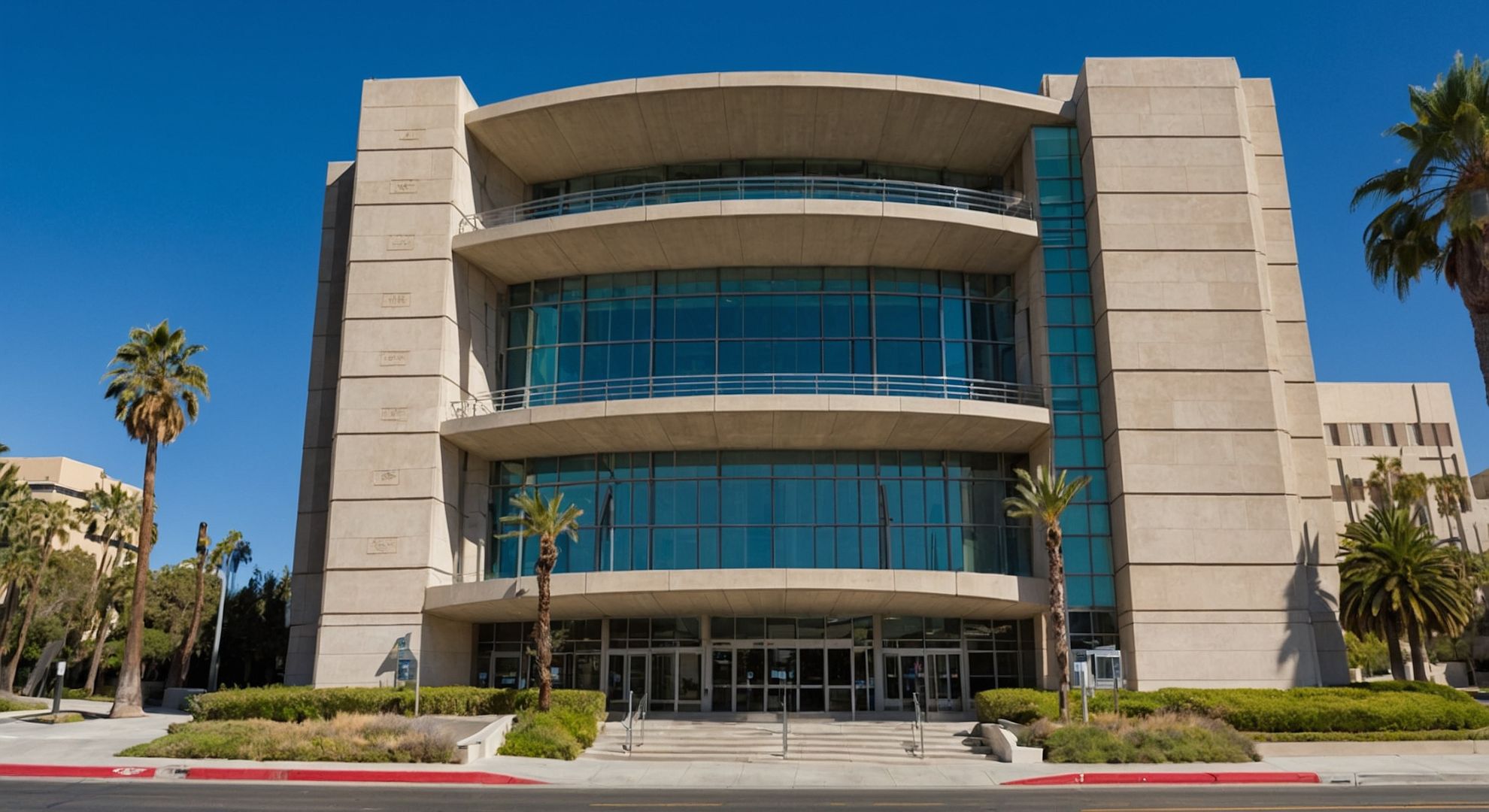 California’s regulatory environment combines state building codes with local municipal ordinances. Caltrans standards govern public right-of-way requirements, while individual cities establish specific maintenance responsibilities and enforcement protocols.
Recent 2024-2025 updates to California accessibility regulations strengthen enforcement mechanisms. Property owners now face accelerated compliance timelines and enhanced documentation requirements. Municipal inspection programs increasingly utilize digital mapping systems to track hazard locations and remediation status.
Liability shifts toward property owners in many California jurisdictions. Cities transfer sidewalk maintenance responsibility to adjacent property owners through ordinance updates. This trend increases the importance of proactive hazard identification and timely professional intervention.
Understanding liability risks helps property managers develop appropriate inspection schedules and response protocols for their specific jurisdiction.
Advanced Trip Hazard Identification Methods
 Modern hazard identification transcends visual inspection through technology integration. GIS mapping systems enable systematic documentation and tracking of sidewalk conditions across large properties or municipal areas.
Digital asset management platforms store inspection data, photographs, and measurement records in accessible formats. These systems generate compliance reports, schedule follow-up inspections, and prioritize maintenance activities based on hazard severity and pedestrian traffic patterns.
Professional assessment combines multiple measurement techniques for comprehensive evaluation. Precision instruments detect elevation changes, surface irregularities, and developing crack patterns before they reach violation thresholds. Systematic documentation supports both compliance efforts and preventive maintenance planning.
Professional inspection services utilize advanced tools and documentation protocols that exceed basic visual assessment capabilities.
Regional Risk Factors in California
California’s diverse climate and geological conditions create unique hazard formation patterns. Tree root expansion in Southern California’s urban areas generates significant upward pressure on concrete surfaces. Tree root damage represents the primary cause of trip hazards in established residential neighborhoods.
Drought cycles affect soil stability beneath concrete slabs. Extended dry periods cause soil shrinkage and settlement, while sudden irrigation or rainfall creates expansion forces. These conditions generate differential movement that produces elevation changes between adjacent concrete sections.
Seismic activity influences subgrade stability throughout California. Even minor ground movement can create misalignment between concrete panels. Regular inspection following seismic events helps identify developing hazards before they reach problematic levels.
High pedestrian traffic accelerates surface wear and joint deterioration. Commercial districts, school zones, and transit areas require more frequent inspection due to accelerated degradation patterns. High-traffic area maintenance demands specialized attention to prevent rapid hazard development.
Conducting Professional-Grade Hazard Surveys
 Systematic survey procedures ensure comprehensive hazard identification. Professional assessment begins with detailed site mapping that identifies all pedestrian pathways, transitions, and high-risk areas. Documentation protocols record existing conditions, measurement data, and photographic evidence for compliance purposes.
Required tools include precision measurement instruments, documentation systems, and safety equipment. Digital calipers provide accurate displacement readings, while smartphones or tablets enable real-time data entry and photograph integration. Proper documentation supports both immediate compliance efforts and long-term maintenance planning.
Survey frequency depends on property type, pedestrian traffic, and environmental factors. Commercial properties benefit from quarterly inspections, while residential areas typically require annual assessment. High-risk locations such as schools or healthcare facilities may need monthly evaluation to maintain optimal safety standards.
Professional assessment processes provide comprehensive evaluation that identifies current violations and potential future hazards through systematic inspection protocols.
Effective Trip Hazard Removal Solutions
California-compliant hazard removal requires methods that restore ADA compliance while minimizing environmental impact. Precision Concrete Cutting’s patented horizontal slicing technology addresses trip hazards through precise concrete removal rather than grinding or traditional repair methods.
Horizontal cutting eliminates elevation differences by removing excess concrete material with surgical precision. This approach preserves existing concrete integrity while creating smooth transitions compliant with accessibility standards. The process typically requires 15 minutes per location with minimal disruption to surrounding areas.
Traditional methods such as grinding or concrete patching often fail to achieve lasting results in California’s challenging environmental conditions. Horizontal slicing technology provides permanent solutions that withstand regional climate challenges and maintain compliance over extended periods.
Professional removal services ensure proper permits, environmental compliance, and post-completion inspection. The complete removal process includes assessment, preparation, cutting, cleanup, and final compliance verification.
Maintenance Planning and Prevention Strategies
Proactive maintenance prevents emergency situations and reduces liability exposure. Systematic inspection schedules identify developing issues before they reach violation thresholds. Property managers benefit from establishing regular assessment routines that address seasonal changes and environmental factors.
Documentation systems track inspection results, maintenance activities, and compliance status over time. Digital records support budget planning, regulatory compliance, and liability protection through comprehensive activity logs. These systems also enable predictive maintenance scheduling based on historical deterioration patterns.
Environmental considerations influence maintenance timing and methods. California’s dry climate creates optimal conditions for concrete cutting during most of the year. Scheduling major maintenance activities during stable weather periods ensures optimal results and minimal disruption.
Preventive maintenance strategies help property owners maintain compliance while avoiding emergency situations that require immediate professional intervention.
Frequently Asked Questions
What officially constitutes a trip hazard under California law?
California follows ADA standards defining trip hazards as vertical displacement exceeding ¼ inch between adjacent walking surfaces. Title 24 Building Standards enforce this threshold across all public and commercial properties throughout California.
How often should California property owners inspect for trip hazards?
Inspection frequency depends on property type and risk factors. Commercial properties benefit from quarterly assessment, residential areas typically require annual inspection, and high-traffic locations such as schools need monthly evaluation to maintain optimal safety standards.
What documentation is required for ADA compliance in California?
California compliance requires measurement records, photographic evidence, and maintenance logs demonstrating ongoing hazard identification and remediation efforts. Professional assessment documentation provides comprehensive records supporting compliance efforts.
Can property owners perform their own trip hazard surveys?
Property owners can conduct basic visual inspections, but professional assessment provides precision measurement and proper documentation required for compliance verification. Advanced tools and systematic protocols ensure accurate hazard identification and regulatory compliance.
What causes trip hazards to develop in Southern California?
Tree root expansion, drought-related soil movement, and seismic activity represent primary causes of concrete displacement in Southern California. Regional environmental factors influence hazard formation patterns and maintenance requirements.
What permits are required for trip hazard removal in California?
Permit requirements vary by municipality and location. Public right-of-way work typically requires permits from local public works departments, while private property maintenance may have different requirements. Professional contractors handle permit applications and compliance verification.
How does horizontal slicing differ from traditional concrete grinding?
Horizontal slicing removes precise amounts of concrete material using patented cutting technology, while grinding creates surface texturing without addressing underlying elevation differences. Precision cutting methods provide permanent ADA-compliant solutions.
What happens if trip hazards cause injuries on California properties?
Property owners face potential liability for injuries caused by known or reasonably discoverable trip hazards. Understanding liability risks emphasizes the importance of proactive hazard identification and timely professional removal.
Are there special requirements for trip hazard removal near protected trees?
California municipalities often have tree protection ordinances affecting concrete work near heritage or protected trees. Professional assessment determines appropriate methods that address trip hazards while complying with local environmental regulations.
Professional Assessment and Next Steps
Effective trip hazard identification requires systematic approach, proper tools, and understanding of California’s regulatory requirements. Property owners benefit from establishing regular inspection routines that identify developing issues before they reach violation thresholds.
Professional services provide precision measurement, comprehensive documentation, and proven removal methods that ensure lasting compliance. Precision Concrete Cutting’s patented technology and California expertise deliver effective solutions for property owners throughout the state.
Ready to protect your property and ensure ADA compliance? Contact Precision Concrete Cutting at (760) 334-8921 for a comprehensive hazard assessment and learn how advanced identification methods can prevent problems before they develop.
Sources
California Building Standards
- California Building Standards Commission – Title 24 accessibility requirements and enforcement guidelines
- California Department of Transportation – Public right-of-way standards and pedestrian facility requirements
ADA Guidelines and Compliance
- U.S. Access Board – Federal accessibility guidelines and technical specifications
- Americans with Disabilities Act – Compliance requirements and enforcement procedures
Technical Authorities
- California Geographic Information Systems Council – Digital mapping standards and asset management protocols
- California Division of Occupational Safety and Health – Workplace safety standards and slip, trip, and fall prevention
Technical Disclaimer
This article is provided for general informational purposes only and does not constitute professional construction advice. The information contained herein may not reflect the most current building codes and may not apply to your specific project. Regulations and technical procedures vary by jurisdiction and change frequently. Nothing in this article creates a professional service relationship. For specific technical advice regarding your project, contact Precision Concrete Cutting at (760) 334-8921 for a free consultation. Do not rely on this information to make construction decisions without consulting with a qualified California concrete cutting professional.

