

 California property owners facing lifted or cracked sidewалks often consider quick DIY patch solutions to address trip hazards. However, the state’s complex regulatory environment, strict ADA compliance requirements, and municipal liability standards make DIY sidewalk patching a risky proposition that rarely delivers lasting results.
From San Diego’s tree root-damaged walkways to Los Angeles County’s extensive municipal repair programs, California’s sidewalk maintenance landscape demands professional expertise that goes far beyond surface fixes.
Key Takeaways
- California property owners bear primary responsibility for sidewalk maintenance under most municipal codes
- DIY patches rarely meet ADA compliance standards required by state and federal law
- Recent 2024-2025 municipal code updates in cities like Monterey have strengthened permit requirements
- Professional horizontal slicing technology removes trip hazards while maintaining ADA compliance
- Improper DIY work can increase liability exposure and trigger expensive rework requirements
Overview
This comprehensive guide examines the real risks and limitations of DIY sidewalk patching within California’s regulatory framework. Property owners need to understand municipal responsibility laws, ADA compliance requirements, and the technical limitations of patch-based solutions before attempting any sidewalk work.
Through analysis of current California building codes, recent municipal updates, and proven professional alternatives, this article provides the technical foundation needed to make informed sidewalk maintenance decisions.
California Property Owner Responsibility for Sidewalk Maintenance
 Under California law, sidewalk maintenance responsibility typically falls to adjacent property owners, though specific requirements vary significantly by municipality. Cities like Alameda and Monterey have established clear property owner obligations through their municipal codes, with recent 2024-2025 updates strengthening enforcement mechanisms.
California sidewalk law compliance requires understanding both state building standards and local ordinances. Property owners who attempt DIY repairs without proper permits or professional oversight risk violation notices and mandatory rework orders.
Recent Municipal Code Changes
Monterey’s March 2025 code amendments have established stricter permit requirements for concrete work, including patch applications exceeding specific square footage thresholds. These changes reflect a statewide trend toward professional oversight of sidewalk maintenance.
Alameda County’s pilot financial hardship programs offer structured payment options for professional repairs while maintaining strict compliance standards. These programs explicitly exclude DIY work from consideration, emphasizing the municipal preference for professional solutions.
California Regulations on Sidewalk Repairs
California Sidewalk Compliance: Professional vs. DIY Repair Comparison
Comparing sidewalk repair methods from the standpoint of cost, timeline, and ADA compliance within California’s regulatory framework. Professional services reduce liability and guarantee municipal approval.
Precision Concrete Cutting
Professional Approach is Essential
California’s building codes and permit requirements demand ADA-compliant sidewalk repairs.
Professionally managed cutting provides insurance protection and ensures your property remains safe, legal, and eligible for municipal approvals.
DIY shortcuts often increase long-term costs & legal risk.
Source: California Contractors State License Board, CA ADA Building Code, Precision Concrete Cutting | Data 2025 | *This summary is for general reference only and does not constitute legal advice. Always consult local authorities for permit and compliance requirements.
California’s regulatory environment for sidewalk repairs involves multiple layers of compliance, from state building codes to local permitting requirements. The California Contractors State License Board requires proper licensing for most concrete work, with specific exemptions that rarely apply to sidewalk modifications.
Professional ADA compliance assessment becomes mandatory when repairs trigger accessibility review thresholds. DIY work often fails to meet these technical standards, creating liability exposure that extends far beyond the initial patch application.
Permit Requirements and Professional Oversight
Most California municipalities require permits for sidewalk modifications that exceed minimal repair thresholds. DIY patches often trigger these requirements without property owners realizing the compliance obligations they’ve created.
Insurance requirements for sidewalk work typically demand professional liability coverage that DIY approaches cannot provide. This gap in coverage can become critical when trip hazards result in injury claims or municipal enforcement actions.
ADA Compliance: Why DIY Patches Fall Short

The Americans with Disabilities Act establishes specific technical standards for sidewalk surfaces that DIY patching cannot reliably achieve. California’s Title 24 building standards incorporate federal ADA requirements while adding state-specific accessibility mandates.
Surface regularity, cross-slope gradients, and transition smoothness require professional measurement and execution. Professional ADA compliance solutions utilize precision equipment and proven techniques that consistently meet regulatory standards.
Technical Standards Beyond DIY Capabilities
ADA surface tolerance requirements demand precision that typical patch materials and application methods cannot deliver. Professional horizontal slicing maintains the original concrete integrity while removing trip hazards to exact specifications.
The Willits Settlement in Los Angeles County has established legal precedents that increase municipality and property owner liability for non-compliant sidewalk conditions. These precedents make professional compliance verification essential for significant sidewalk work.
Trip Hazard Definition and Liability Implications
California courts and municipalities typically define trip hazards as vertical displacement exceeding 1/4 inch between adjacent concrete sections. However, this threshold represents the minimum rather than comprehensive safety standard for pedestrian access.
Legal risk management for trip hazards requires understanding both current condition assessment and long-term maintenance implications. DIY patches often create temporary solutions that fail within months, potentially increasing rather than reducing liability exposure.
Insurance and Documentation Requirements
Professional documentation of trip hazard conditions and remediation work provides essential liability protection that DIY approaches cannot match. Insurance claims often require professional assessment and verified compliance with applicable standards.
Municipal inspection requirements in many California cities mandate professional verification of sidewalk work completion. DIY patches that fail these inspections trigger expensive rework requirements and potential penalty assessments.
Environmental Compliance Considerations
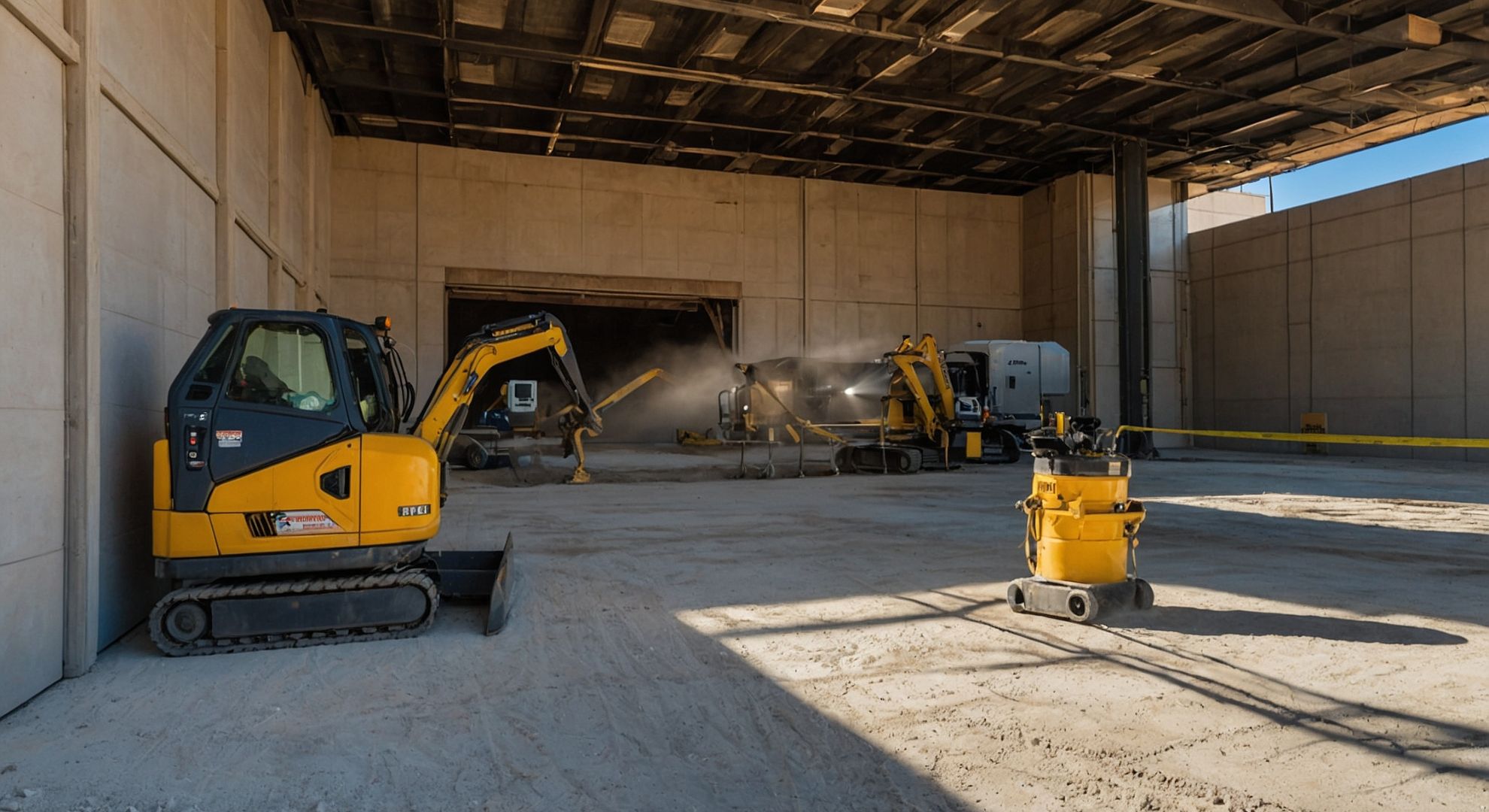 The California Environmental Quality Act (CEQA) can apply to sidewalk repair projects, particularly within municipal programs or environmentally sensitive areas. DIY work that triggers CEQA review requirements often faces significant complications and potential stop-work orders.
Professional contractors understand environmental compliance requirements and incorporate appropriate mitigation measures into their work processes. Sustainable sidewalk repair solutions address both immediate trip hazard removal and long-term environmental stewardship.
Professional Horizontal Slicing Advantages
Precision Concrete Cutting’s patented horizontal slicing technology addresses trip hazards through precise concrete removal rather than surface patching. This approach maintains the structural integrity of existing concrete while achieving exact ADA compliance specifications.
The horizontal slicing process typically requires 15 minutes per location with minimal disruption to surrounding areas. Professional GIS mapping and assessment ensure comprehensive hazard identification and systematic remediation.
Technical Superiority Over Patch Methods
Unlike patch applications that add material and often create new trip hazards at transition points, horizontal slicing removes elevated concrete to create smooth, level transitions. This technique delivers permanent results that maintain the original concrete appearance and durability.
Professional assessment identifies underlying causes of concrete displacement, enabling targeted solutions that prevent recurrence. Tree root damage solutions require understanding both immediate hazard removal and long-term prevention strategies.
Process Efficiency and Compliance Comparison
Process Comparison: DIY Patching vs Professional Horizontal Slicing
Analyze the step-by-step differences between a typical DIY patch and Precision Concrete Cutting’s professional solutions for California property owners. See time-to-completion, permit requirements, compliance confidence, and long-term durability expectancy.
Why Professional Service Matters
California ADA standards are enforced at city and school district levels. DIY repairs can leave you exposed to ongoing compliance and legal challenges.
Professional horizontal slicing delivers documented longevity and immediate, inspectable ADA compliance—reducing property owner liability, avoiding repeated municipal notices, and protecting property value.
Source: Precision Concrete Cutting, California construction standards. Data 2025. *Permitting requirements may vary by municipality. †DIY patch durability estimate, not code-verified.
Information provided for general reference only; consult your local city for permitting and ADA details.
Professional trip hazard removal delivers immediate compliance verification and long-term durability that DIY approaches cannot match. The comparative advantages extend beyond technical performance to include liability protection and regulatory compliance.
Timing considerations favor professional solutions when municipal inspection requirements and permit processes are properly factored. Timely professional repair prevents escalation of liability exposure and compliance complications.
Long-Term Performance and Maintenance
Professional horizontal slicing typically provides decades of service life without additional maintenance requirements. DIY patches often require reapplication within 1-3 years, creating ongoing maintenance cycles and repeated compliance challenges.
Municipal acceptance of professional work provides confirmation of code compliance that DIY approaches cannot reliably achieve. This professional verification becomes essential for liability protection and property value maintenance.
When Professional Assessment Becomes Essential
Property owners should seek immediate professional assessment when trip hazards exceed basic 1/4 inch thresholds or when multiple sidewalk sections show displacement. Professional sidewalk inspection identifies comprehensive solutions rather than temporary fixes.
High-traffic areas, commercial properties, and locations with accessibility requirements mandate professional solutions from the outset. DIY approaches in these contexts create unacceptable liability exposure and regulatory non-compliance risks.
FAQ: DIY Sidewalk Patching in California
Who is responsible for sidewalk repairs in California cities?
Property owners typically bear responsibility for adjacent sidewalk maintenance under most California municipal codes, though specific requirements vary by city. Recent updates in cities like Monterey have strengthened these obligations while providing structured payment programs.
Do I need permits for DIY sidewalk patches in California?
Most municipalities require permits for sidewalk modifications exceeding minimal thresholds. DIY patches often trigger these requirements without property owners understanding their compliance obligations or the professional oversight these permits demand.
Can DIY patches achieve ADA compliance for sidewalks?
ADA compliance requires precise surface tolerances, slope specifications, and transition smoothness that typical DIY methods cannot reliably achieve. Professional equipment and expertise become essential for verified compliance with federal and state accessibility standards.
What constitutes a trip hazard under California law?
California courts typically define trip hazards as vertical displacement exceeding 1/4 inch, though comprehensive safety standards involve additional factors including surface regularity and transition smoothness that professional assessment can properly evaluate.
Will homeowners insurance cover trip hazard liability?
Insurance coverage for trip hazard liability often requires professional documentation and verified compliance with applicable standards. DIY work that fails to meet these standards may create coverage gaps and increased liability exposure.
How long do DIY sidewalk patches typically last?
DIY patches often require reapplication within 1-3 years due to material limitations and application constraints. Professional horizontal slicing typically provides decades of service life without additional maintenance requirements.
Can municipalities require rework of DIY sidewalk patches?
Yes, municipal inspection requirements can mandate rework of DIY patches that fail to meet code compliance standards. These enforcement actions often include penalty assessments and professional oversight requirements.
Does CEQA apply to sidewalk repair projects?
CEQA review can apply to sidewalk projects, particularly within municipal programs or environmentally sensitive areas. Professional contractors understand these requirements and incorporate appropriate compliance measures.
What is horizontal slicing for trip hazard removal?
Horizontal slicing removes elevated concrete through precise cutting to create smooth, level transitions without adding patch materials. This patented technology maintains structural integrity while achieving exact ADA compliance specifications.
Ready to address sidewalk trip hazards with professional compliance verification? Contact Precision Concrete Cutting at (760) 334-8921 for expert assessment and proven horizontal slicing solutions that meet California’s strict regulatory requirements.
Sources
California Building Standards
- California Building Standards Code Title 24 – ADA compliance requirements and accessibility standards for sidewalk repairs
- California Department of Transportation Standards – Technical specifications for concrete repair and sidewalk maintenance
Municipal Codes and Regulations
- Monterey City Code Section 32, Article 4 (2025 Amendment) – Updated municipal requirements for sidewalk repair permits and compliance
- Alameda Municipal Code and Financial Hardship Program – City repair processes, permits, and structured payment options
ADA Guidelines and Compliance
- U.S. Access Board ADA Guidelines – Federal accessibility requirements for sidewalk repairs and surface standards
- Los Angeles Willits Settlement Documentation – Legal precedents for sidewalk liability and municipal compliance requirements
Environmental and Professional Standards
- California Environmental Quality Act Guidelines – Environmental compliance requirements for sidewalk repair projects
- California Contractors State License Board – Licensing and insurance requirements for concrete contractors
Technical Disclaimer
This article is provided for general informational purposes only and does not constitute professional construction advice. The information contained herein may not reflect the most current building codes and may not apply to your specific project. Regulations and technical procedures vary by jurisdiction and change frequently. Nothing in this article creates a professional service relationship. For specific technical advice regarding your project, contact Precision Concrete Cutting at (760) 334-8921 for a free consultation. Do not rely on this information to make construction decisions without consulting with a qualified California concrete cutting professional.

