

California property managers face up to $150,000 in ADA violation penalties for unaddressed sidewalk trip hazards, with over 20,000 lawsuits filed statewide since 1992. Selecting the right trip hazard removal contractor requires understanding specialized technology, California regulatory requirements, and proven ADA compliance expertise that goes far beyond basic concrete repair services.
Key Information
- California ADA Compliance Authority: Verify contractors understand Title 24 building codes and $4,000+ statutory damage requirements specific to California enforcement
- Specialized Technology Verification: Confirm patented horizontal slicing capabilities versus basic grinding that often fails to achieve full ADA compliance
- Proven Southern California Experience: Prioritize contractors with 25+ years regional experience and climate-specific repair expertise
- Cost-Effective Solutions: Choose specialists offering 15-minute repairs* and 100% cost savings versus remove-and-replace methods
*All timelines and service cost ranges are provided for general information only. Actual project duration and service costs will depend on the specific property conditions, scope of work, accessibility requirements, and agreed-upon scope of service as set forth in the written service agreement.
Overview
This comprehensive contractor selection guide addresses critical gaps in generic concrete repair advice by focusing specifically on California ADA compliance requirements and specialized trip hazard removal technology. Unlike basic repair guides, this resource provides property managers with technical evaluation criteria, regulatory verification procedures, and cost analysis tools for selecting contractors capable of delivering ADA-compliant results. Property owners following this guide will secure qualified specialists, reduce liability exposure, and achieve long-term compliance through proven horizontal slicing technology.
California ADA Compliance Requirements Every Contractor Must Meet
California’s aggressive ADA enforcement creates significant liability for property owners who fail to address sidewalk trip hazards properly. The state’s minimum $4,000 statutory damages plus attorney fees have resulted in over 20,000 ADA-related lawsuits since the law’s California enactment in 1992, making contractor selection crucial for liability protection.
California ADA Enforcement: Penalties and Legal Consequences
The Americans with Disabilities Act Standards define trip hazards as vertical changes exceeding 1/4 inch at any joint or crack. California enforcement agencies pursue violations aggressively, with penalties reaching $75,000 for first violations and $150,000 for subsequent violations at the federal level, plus California’s additional statutory damages.
Property managers should verify that contractors understand California’s specific enforcement landscape. Unlike other states, California maintains particularly strict compliance monitoring, with multiple agencies conducting inspections and responding to complaints from disability rights organizations.
Title 24 Building Code Compliance Procedures for Trip Hazards
California’s Title 24 building codes administered by the California Building Standards Commission establish state-specific accessibility requirements that contractors must navigate successfully. These codes often exceed federal minimums and include detailed procedures for sidewalk accessibility modifications.
Qualified contractors should demonstrate familiarity with Title 24 procedures, including proper documentation requirements, inspection protocols, and ongoing compliance maintenance. This knowledge separates specialized trip hazard removal contractors from general concrete repair companies that lack regulatory expertise.
Verification: How to Confirm Contractor ADA Expertise
When evaluating contractors, request specific examples of California ADA compliance projects and ask detailed questions about regulatory requirements. Contractors experienced with ADA work should readily discuss Title 24 procedures, documentation requirements, and penalty avoidance strategies without hesitation.
Consider requesting references from property managers who have successfully navigated ADA compliance inspections after contractor work. This verification process helps identify contractors with proven regulatory expertise versus those offering generic concrete services.
Patented Technology vs. Traditional Methods: What Property Managers Need to Know
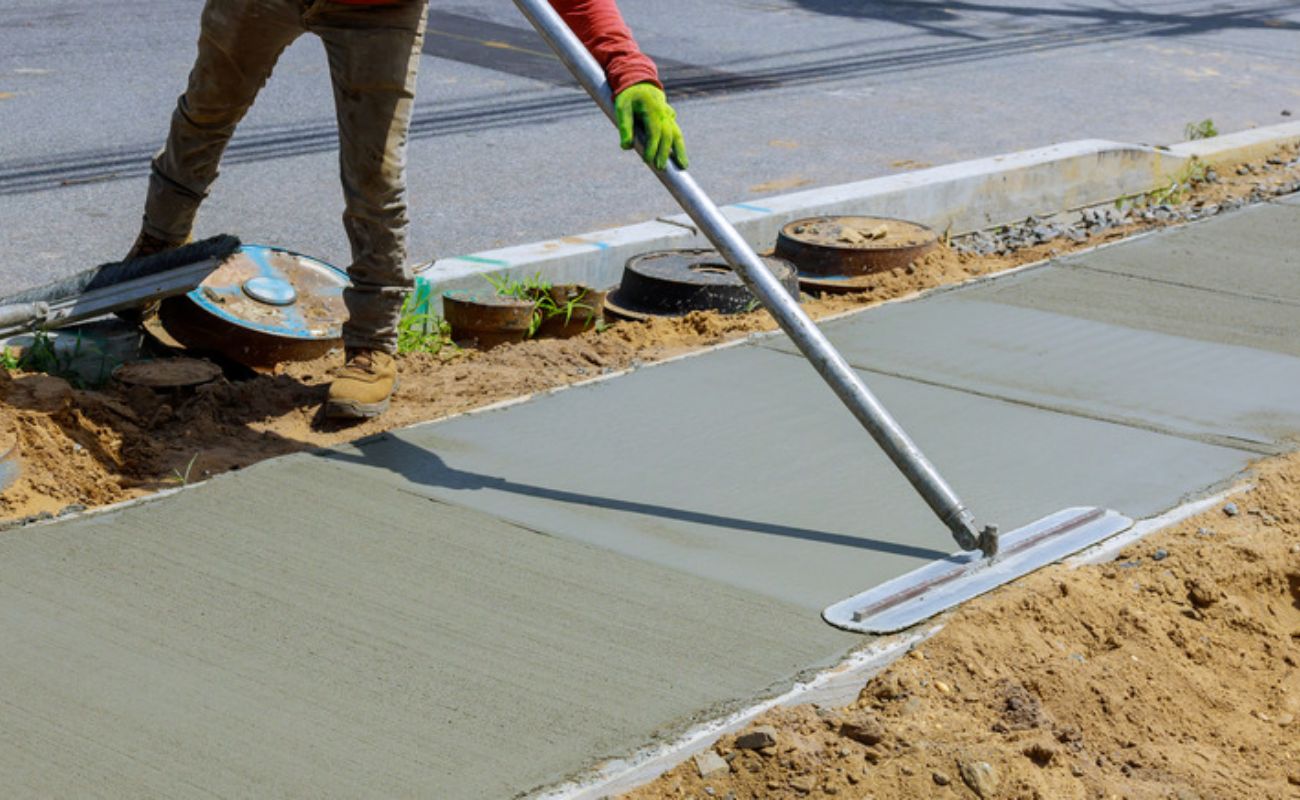 The repair method your contractor uses directly impacts ADA compliance success, long-term effectiveness, and project costs. Understanding the differences between specialized horizontal slicing technology and traditional grinding methods helps property managers make informed contractor selection decisions.
Horizontal Slicing Technology: Process and Compliance Benefits
Patented horizontal slicing technology removes trip hazards by making precise cuts that eliminate vertical differences completely. This method creates smooth transitions that meet ADA requirements consistently, unlike grinding approaches that often leave partial hazards or fail to address edge areas where pedestrians typically step.
The horizontal slicing process typically takes 15 minutes per location* and produces uniform, non-slip surfaces that comply with both federal ADA standards and California Title 24 requirements. This technology advantage explains why specialized contractors can guarantee ADA compliance while traditional grinding contractors often cannot.
Cost-Benefit Analysis: Cutting vs. Remove-and-Replace Economics
Trip hazard removal using specialized cutting techniques typically ranges from $15-25 per linear foot*, compared to $150+ per panel for complete sidewalk replacement. This cost difference becomes significant for property managers maintaining large commercial facilities or multiple locations across Southern California.
Beyond immediate cost savings, specialized cutting methods avoid the disruption, permitting delays, and extended timelines associated with full replacement projects. Property managers can address compliance requirements quickly without major construction impacts on business operations.
Timeline Comparison: Minimal Disruption vs. Extended Construction
Specialized trip hazard removal projects typically complete individual repairs in 15 minutes*, allowing contractors to address multiple locations efficiently during single service visits. This speed advantage helps property managers maintain business continuity while achieving compliance quickly.
Traditional replacement methods require excavation, curing time, and weather considerations that can extend projects for days or weeks*. Southern California’s dry climate provides year-round working conditions for specialized cutting, but replacement projects still face longer timelines due to construction complexity.
Contractor Evaluation Criteria: Technical Qualifications and Experience
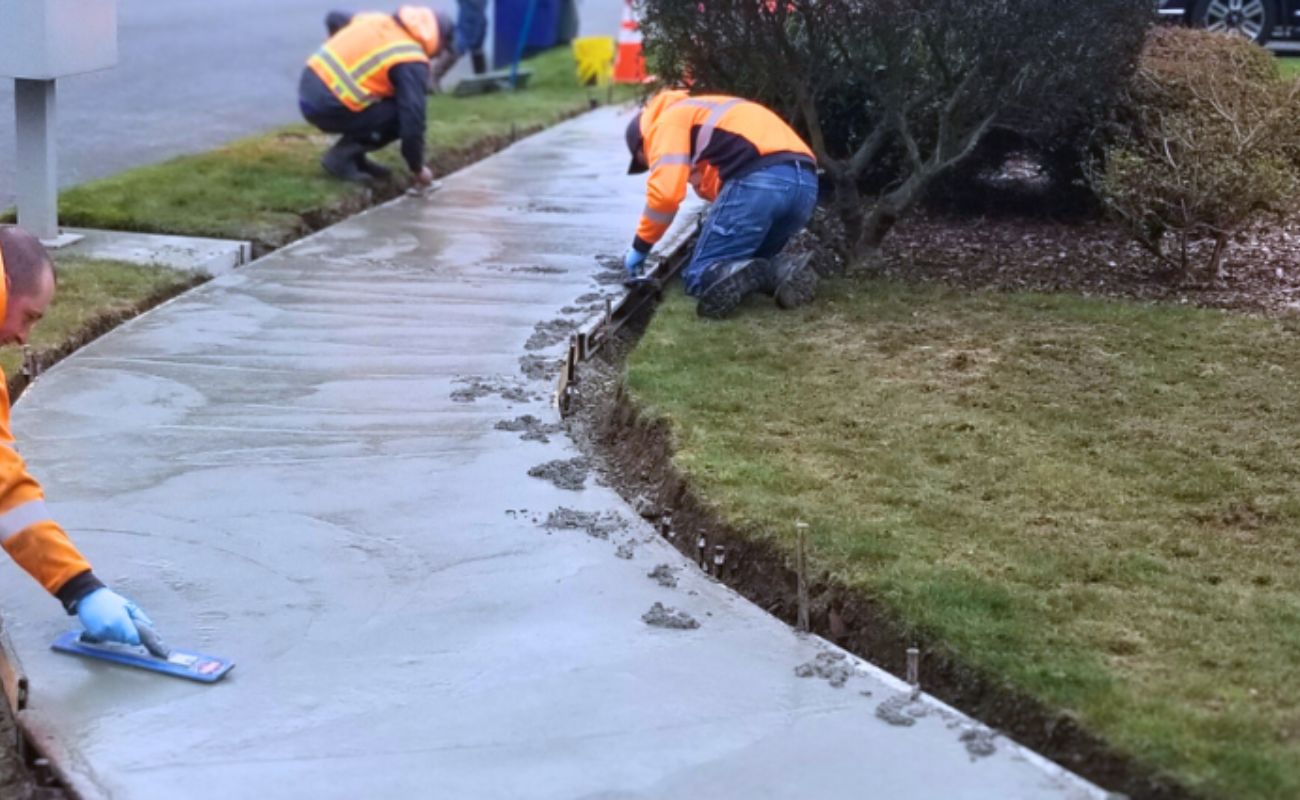 Proper contractor evaluation requires understanding the specific qualifications, technology, and experience necessary for successful trip hazard removal. Generic concrete contractors often lack the specialized capabilities needed for ADA compliance work, making thorough vetting essential.
Licensing and Insurance Requirements for California Trip Hazard Work
California contractors performing trip hazard removal should carry appropriate licenses through the California Contractors State License Board, along with comprehensive general liability and workers’ compensation insurance. Verify that coverage includes ADA compliance work specifically, as some policies exclude accessibility-related services.
Request current insurance certificates and confirm coverage amounts appropriate for your property value and liability exposure. Contractors working on commercial properties should carry higher coverage limits than those typical for residential work, reflecting the increased liability associated with public access areas.
Portfolio Assessment: Evaluating Southern California Experience
Review contractor portfolios specifically for Southern California commercial projects similar to your property type. Experience with local building departments, climate considerations, and regional compliance requirements provides valuable advantages over contractors unfamiliar with the area.
Ask for specific examples of projects in San Diego County, Orange County, or other relevant Southern California markets. Local experience helps contractors navigate permitting requirements, inspection procedures, and regional ADA enforcement patterns more effectively.
Equipment Verification: Identifying Specialized vs. Generic Contractors
Contractors using patented horizontal slicing technology can demonstrate specific equipment capabilities and technical processes that generic grinding contractors cannot match. Request detailed explanations of repair methods and observe whether contractors can articulate technical advantages clearly.
Specialized contractors should readily explain how their technology achieves superior ADA compliance compared to traditional methods. This technical knowledge distinction helps identify contractors with genuine expertise versus those offering basic concrete repair services.
Service Process and Project Timeline Expectations
 Understanding the complete service process helps property managers set appropriate expectations and evaluate contractor capabilities accurately. Specialized trip hazard removal involves systematic assessment, precise execution, and comprehensive documentation that exceeds basic repair work.
Initial Assessment: GIS Survey and Hazard Mapping Process
Professional trip hazard removal begins with comprehensive GIS surveys that identify and map all accessibility issues across your property. This technology-driven assessment typically takes 2-4 hours* for comprehensive commercial properties and provides detailed documentation for compliance planning.
GIS mapping creates permanent records of hazard locations, repair specifications, and ongoing maintenance requirements. This documentation proves valuable for insurance purposes, compliance verification, and long-term property maintenance planning.
Repair Execution: Minimizing Business Disruption During Work
Specialized contractors coordinate repair scheduling to minimize disruption to business operations and customer access. Individual trip hazard repairs typically complete in 15 minutes*, allowing contractors to work around business hours and maintain accessibility during busy periods.
Professional contractors implement safety protocols that protect both workers and property users during repair work. This includes appropriate signage, barriers, and communication procedures that maintain safety without creating unnecessary operational disruptions.
Final Documentation: Compliance Reports and Warranty Provisions
Comprehensive trip hazard removal includes detailed documentation of all work performed, compliance verification, and warranty coverage for completed repairs. This documentation package should include before-and-after photographs, measurement data, and compliance certification suitable for regulatory review.
Quality contractors provide warranties covering both workmanship and ADA compliance performance. These guarantees protect property managers against compliance failures and provide assurance that repairs will maintain effectiveness over time.
Liability Reduction and Insurance Benefits Through Proper Contractor Selection
Selecting qualified trip hazard removal contractors provides immediate liability reduction and potential insurance benefits that extend far beyond repair costs. Understanding these financial implications helps property managers justify investment in specialized services over basic repair approaches.
Liability Reduction: ADA Compliance and Risk Mitigation
Proper trip hazard removal eliminates the primary liability exposure associated with pedestrian falls and ADA violations. California’s aggressive enforcement environment makes compliance documentation from qualified contractors essential for legal protection and insurance claims defense.
Specialized contractors provide compliance verification that generic repair companies cannot match. This documentation proves crucial if accessibility complaints arise or insurance claims require proof of reasonable accommodation efforts.
Insurance Benefits: Premium Considerations and Risk Assessment
Many commercial property insurance providers offer premium reductions for properties with documented accessibility compliance programs. Professional trip hazard removal with proper documentation can qualify properties for these risk reduction benefits.
Insurance claims resulting from pedestrian falls often involve substantial costs, especially when ADA violations contribute to incidents. Proactive compliance through qualified contractors helps avoid these expensive claims while potentially reducing premium costs.
Legal Protection: Documentation and Warranty Requirements
Comprehensive documentation from specialized contractors provides legal protection against both ADA complaints and personal injury claims. This includes detailed repair specifications, compliance verification, and ongoing warranty coverage that demonstrates reasonable care.
Quality contractors maintain detailed records of all work performed and provide documentation suitable for legal review if accessibility complaints arise. This protection level exceeds what generic concrete contractors typically provide.
Long-Term Maintenance Planning and GIS-Powered Asset Management
Effective trip hazard management requires ongoing maintenance planning that prevents future compliance issues while managing costs effectively. Advanced contractors provide GIS-powered planning tools that transform reactive maintenance into strategic asset management.
GIS Dashboard Capabilities: Asset Tracking and Maintenance Scheduling
Modern trip hazard management utilizes GIS technology to track sidewalk conditions, schedule preventative maintenance, and budget for future compliance requirements. This systematic approach helps property managers maintain compliance cost-effectively while avoiding emergency repairs.
GIS dashboards provide visual mapping of property conditions, maintenance schedules, and budget projections that support informed decision-making. This technology advantage helps property managers plan maintenance budgets and coordinate compliance activities across multiple properties.
Climate-Specific Maintenance: Southern California Preventative Strategies
Southern California’s dry climate creates different maintenance requirements compared to freeze-thaw regions. Specialized contractors understand these regional factors and develop maintenance schedules appropriate for local conditions.
The absence of freeze-thaw cycles in most of Southern California means trip hazards typically develop gradually from settling or root growth rather than sudden weather damage. This pattern allows for more predictable maintenance scheduling and budget planning.
Budget Planning: Proactive vs. Reactive Maintenance Cost Analysis
Proactive trip hazard management typically costs 60-80% less than reactive emergency repairs*, while providing superior compliance protection and reduced liability exposure. This cost advantage makes systematic maintenance planning financially attractive for property managers.
Emergency repairs often require expedited scheduling, premium pricing, and business disruption that increases total costs significantly. Planned maintenance allows for better scheduling, competitive pricing, and minimal operational impact.
Frequently Asked Questions
What ADA compliance requirements must contractors meet in California for trip hazard removal? California contractors must understand federal ADA standards plus state-specific Title 24 building codes, $4,000+ statutory damage requirements, and local enforcement procedures that exceed requirements in many other states.
What’s the difference between horizontal cutting and concrete grinding for ADA compliance? Horizontal cutting uses patented technology to eliminate trip hazards completely from edge to edge, while grinding often leaves partial hazards and cannot reach areas where pedestrians typically step, leading to compliance failures.
How much should trip hazard removal cost compared to full sidewalk replacement in Southern California? Specialized trip hazard removal typically ranges from $15-25 per linear foot*, compared to $150+ per panel for complete replacement, providing 80-90% cost savings while achieving superior ADA compliance.
How quickly can qualified contractors complete trip hazard removal to minimize business disruption? Individual trip hazard repairs using specialized horizontal slicing technology typically complete in 15 minutes*, allowing contractors to address multiple locations efficiently during single service visits.
How do I verify a contractor has specialized trip hazard removal technology versus basic grinding equipment? Request detailed explanations of repair methods and technical processes. Specialized contractors can articulate specific advantages of patented horizontal slicing technology and demonstrate equipment capabilities that generic contractors cannot match.
What insurance and licensing should trip hazard removal contractors carry in California? Contractors should maintain appropriate California state licensing, comprehensive general liability insurance covering ADA compliance work, and workers’ compensation insurance with coverage amounts appropriate for commercial property liability exposure.
How do contractors provide GIS documentation for ongoing maintenance planning? Professional contractors utilize GIS survey technology to create detailed property maps, maintenance schedules, and compliance documentation that supports long-term asset management and budget planning.
What guarantee should contractors offer for ADA compliance after trip hazard removal? Quality contractors provide warranties covering both workmanship and ADA compliance performance, with documentation suitable for regulatory review and legal protection against future accessibility complaints.
Sources
California Regulatory Resources
- California Building Standards Commission – State building codes development, adoption, and implementation
- California Contractors State License Board – Contractor licensing verification and requirements
- City of San Diego ADA Compliance – Local accessibility requirements and transition planning
Professional and Industry Sources
- ADA Solutions California Requirements – California ADA violation statistics and penalty data
- U.S. Access Board ADA Standards – Federal accessibility guidelines and standards
Building Code and Compliance Authorities
- ADA Standards for Accessible Design – Federal ADA requirements and compliance procedures
Service Consultation Disclaimer
This article provides general information about Southern California ADA compliance and sidewalk safety and should not be considered as specific technical advice for your property. Compliance requirements, repair methods, and procedures vary significantly based on individual property conditions, jurisdiction within California, and specific accessibility needs. Project schedules, service timelines, and maintenance processes can be affected by many factors specific to each property.
All timelines and service cost ranges are provided for general information only. Actual project duration and service costs will depend on the specific property conditions, scope of work, accessibility requirements, and agreed-upon scope of service as set forth in the written service agreement.
For confidential assessment and specialized service for your specific Southern California property, contact Precision Concrete Cutting or 760-334-8921. Our patented horizontal slicing specialists will provide personalized technical analysis based on your specific property conditions and compliance requirements. No service agreement is created by reading this article.
Note: While some repair methods discussed here (e.g., patching or drainage work) may require general contractors, Precision Concrete Cutting specializes specifically in trip hazard removal using patented horizontal slicing. We do not perform patching or concrete pouring.

