

Property managers throughout San Diego face unprecedented liability risks as California ADA violation penalties reach $150,000 in 2025. Traditional grinding and scarifying equipment often leaves compliance gaps that expose commercial properties to costly violations. Professional trip hazard removal requires specialized tools that guarantee ADA-compliant results while minimizing disruption to business operations.
Key Information
Professional trip hazard removal in Southern California demands equipment capable of achieving precise 1:2 beveled slopes required by California Building Standards Code. While traditional grinding tools can remove surface material, they cannot reach panel edges or guarantee ADA compliance. Patented horizontal slicing technology eliminates trip hazards in 15 minutes per repair* with 100% cost savings compared to replacement methods. Advanced GIS surveying identifies comprehensive property hazards for strategic maintenance planning.
Overview
This guide examines five categories of professional equipment used for trip hazard removal, from traditional grinding tools to advanced horizontal cutting systems. Property managers will discover why California’s stringent accessibility requirements demand specialized equipment beyond basic concrete grinders. The analysis includes regulatory compliance advantages, cost comparisons, and technical capabilities essential for protecting commercial properties from liability while maintaining operational efficiency.
California ADA Compliance Requirements: Why Traditional Tools Fall Short
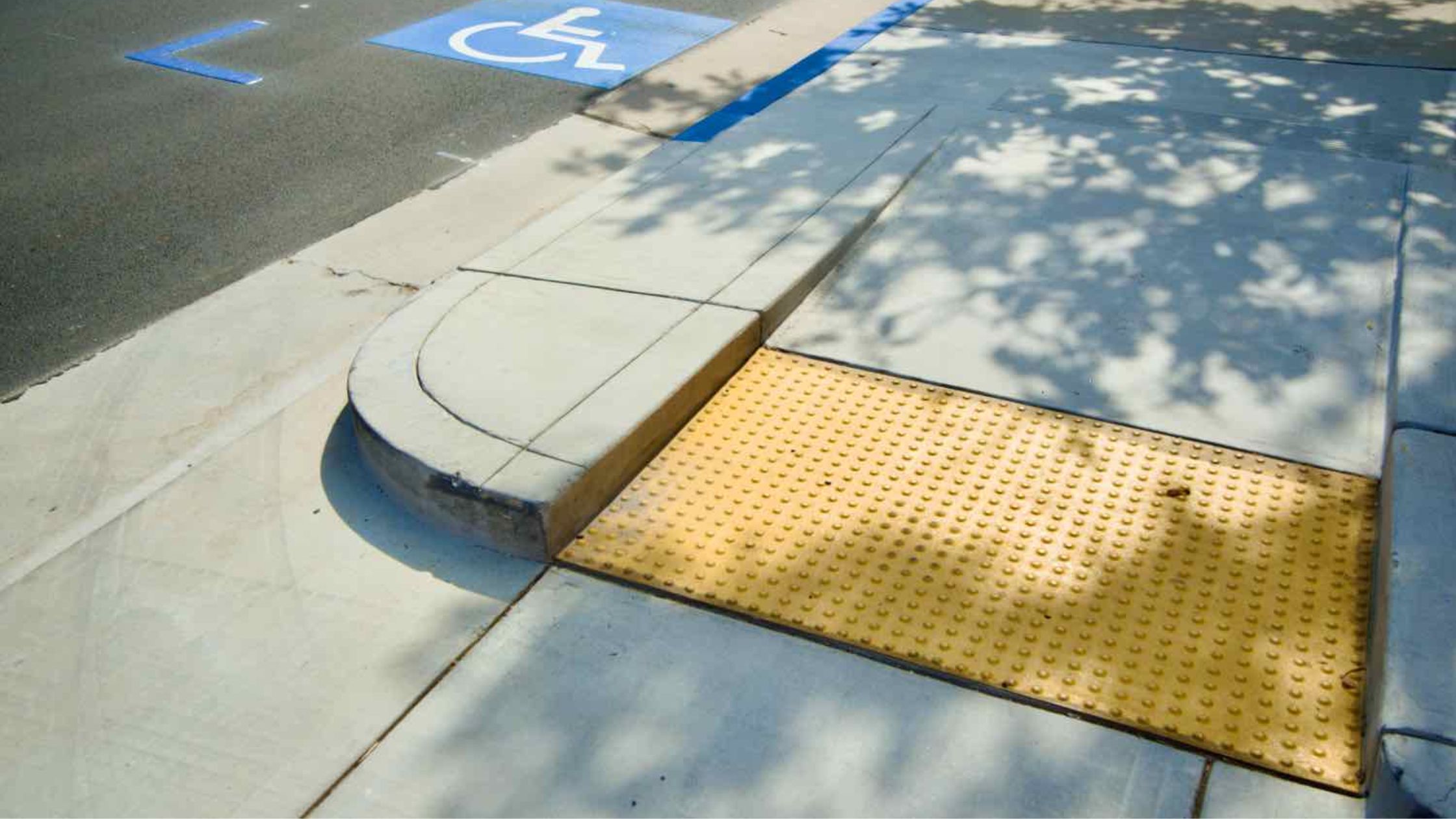 California’s accessibility standards exceed federal requirements, creating unique challenges for property managers seeking compliant trip hazard removal. The Division of State Architect requires strict adherence to building code provisions that demand precision unattainable with traditional grinding equipment.
California Building Standards Code vs. Federal Requirements
Traditional concrete grinders struggle to meet California’s enhanced accessibility provisions. The state’s building code requires beveled slopes no steeper than 1:2 for surface changes between ¼ inch and ½ inch. Standard 8-inch grinding equipment cannot achieve consistent beveling across full panel widths, leaving non-compliant edges that expose properties to violations.
Professional horizontal slicing technology creates precise cuts from edge to edge, ensuring complete compliance with California regulations. This specialized approach addresses the gaps traditional tools leave behind, providing comprehensive liability protection for commercial properties.
2025 ADA Violation Penalty Structure
Property managers face significant financial exposure when traditional repair methods fail to achieve compliance. First violations now carry penalties up to $75,000, with subsequent violations reaching $150,000. These substantial penalty ranges* make investing in proper professional equipment essential for risk management.
The California Access Compliance Advisory Reference Manual emphasizes that temporary fixes using inadequate equipment create ongoing liability exposure. Property managers benefit from understanding that specialized cutting technology provides permanent solutions that eliminate recurring compliance risks.
*All timelines and service cost ranges are provided for general information only. Actual project duration and service costs will depend on the specific property conditions, scope of work, accessibility requirements, and agreed-upon scope of service as set forth in the written service agreement.
Patented Horizontal Concrete Cutting Systems vs. Traditional Equipment
 Patented horizontal cutting represents the most advanced evolution in trip hazard removal technology. Unlike traditional grinding equipment that removes material through abrasion, horizontal slicing creates precise cuts that guarantee ADA compliance while preserving surrounding concrete integrity.
Horizontal Slicing Process and Technical Advantages
Professional horizontal cutting systems achieve complete edge-to-edge coverage impossible with standard grinding equipment. Traditional 8-inch scarifiers remove material at rates of 350-500 square feet per hour* but cannot reach panel edges where liability gaps commonly occur.
Horizontal slicing technology completes individual repairs in 15 minutes per location* while ensuring precise beveled slopes across the entire repair area. This specialized approach eliminates the compliance gaps that expose properties to violations when using conventional equipment.
Performance Comparison: Cutting vs. Grinding vs. Scarifying
Traditional tungsten carbide scarifying equipment creates rough surface textures that may require additional finishing for professional appearance. These tools operate effectively on open surfaces but struggle with corner repairs and areas adjacent to walls or gutters.
Professional cutting systems provide superior precision for challenging repair locations. The technology reaches every angle of a trip hazard, ensuring comprehensive liability elimination rather than partial repairs that leave ongoing exposure.
Property managers considering sidewalk repair options benefit from understanding these performance differences when evaluating equipment capabilities for their specific compliance needs.
Diamond Grinding vs. Tungsten Carbide Scarifying Equipment
 Traditional equipment categories serve important roles in concrete surface preparation but face significant limitations for ADA-compliant trip hazard removal. Understanding these constraints helps property managers make informed decisions about equipment selection for their compliance needs.
Diamond Blade Systems: Applications and Limitations
Diamond grinding systems excel at surface polishing and thin coating removal but struggle with the precision required for ADA compliance. These tools typically remove material in shallow passes, requiring multiple treatments to achieve significant leveling.
Professional diamond equipment works effectively for surface preparation but cannot guarantee the precise beveled slopes required by California accessibility standards. The equipment’s circular cutting pattern makes achieving consistent edge-to-edge coverage challenging for compliance applications.
Scarifying Equipment Performance Characteristics
Tungsten carbide scarifying tools provide aggressive material removal capabilities, achieving depths up to ¼ inch per pass. Professional-grade scarifiers like those manufactured by Tomahawk Power offer productivity rates of 350-500 square feet per hour*.
However, scarifying equipment creates directional cutting patterns that may not provide the smooth transitions required for optimal pedestrian safety. The aggressive cutting action can also generate significant dust and noise, creating challenges for use in occupied commercial environments.
Property managers evaluating equipment options should consider that while these traditional tools offer value for certain applications, they may not provide the comprehensive compliance assurance needed for sidewalk liability protection.
GIS Survey and Mapping Technology for Comprehensive Assessment
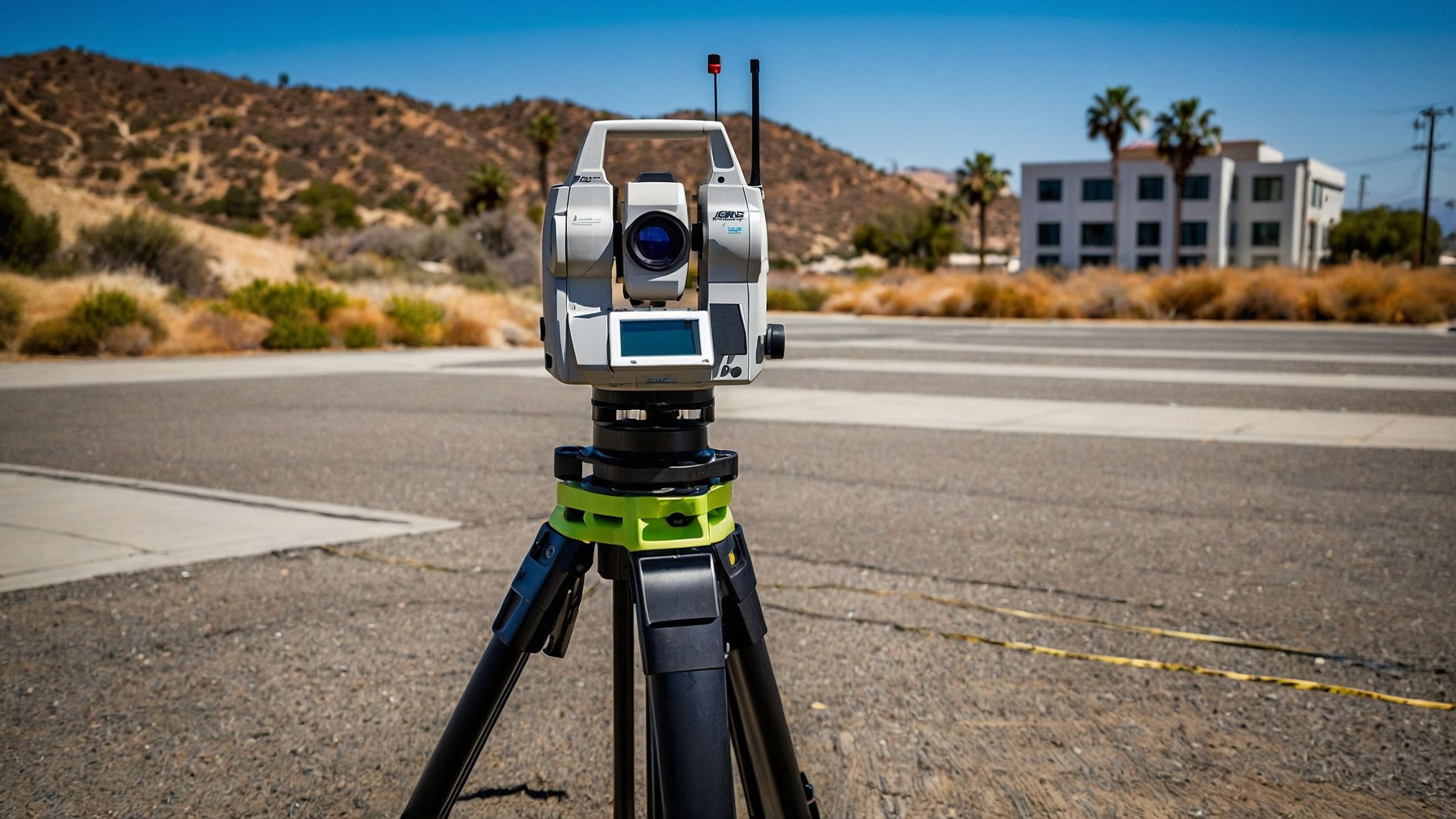 Advanced Geographic Information Systems technology transforms trip hazard management from reactive repairs to strategic preventative maintenance. Professional GIS equipment enables comprehensive property assessment that identifies current hazards while predicting future maintenance needs.
GIS Survey Technology Capabilities
Professional GIS systems provide precise measurement and documentation capabilities beyond traditional inspection methods. These advanced tools create detailed property maps showing every potential trip hazard with exact measurements and GPS coordinates.
Modern GIS equipment integrates with specialized software for comprehensive maintenance planning. Property managers receive detailed dashboards showing current conditions, projected maintenance schedules, and budget planning tools for strategic decision-making.
Preventative Maintenance Planning vs. Reactive Repairs
Traditional equipment approaches focus on addressing individual hazards as they become liability concerns. GIS technology enables proactive identification of developing issues before they reach the ¼-inch threshold requiring immediate attention.
Professional assessment using GIS capabilities typically requires 2-4 hours* for comprehensive property evaluation. This initial investment provides long-term value through strategic maintenance planning that prevents emergency repairs and reduces overall maintenance costs.
Property managers benefit from sidewalk inspection services that utilize GIS technology for comprehensive hazard identification and strategic planning support.
Safety and Documentation Equipment for Professional Results
 Professional trip hazard removal requires comprehensive safety protocols and documentation systems beyond basic hand tools. Commercial properties demand OSHA-compliant procedures that protect workers while providing legal documentation for compliance verification.
OSHA Compliance Requirements for Commercial Properties
Professional trip hazard removal in commercial environments requires specialized safety equipment including respiratory protection, hearing protection, and fall prevention systems. The Occupational Safety and Health Administration maintains strict standards for concrete cutting operations in occupied facilities.
Professional service providers utilize industrial vacuum systems for dust control and noise reduction equipment to minimize disruption during business hours. These systems enable repairs in sensitive commercial environments without compromising operational continuity.
Documentation and Compliance Verification
Professional trip hazard removal requires comprehensive documentation for legal protection and insurance compliance. Proper documentation includes before-and-after measurements, photographic evidence, and compliance certification for regulatory verification.
Advanced documentation systems provide property managers with detailed reports showing exact repair specifications, compliance verification, and maintenance recommendations. This documentation proves essential for insurance claims, legal protection, and regulatory inspections.
Property managers seeking comprehensive sidewalk safety solutions benefit from professional services that include complete documentation and compliance verification as standard practice.
Why Professional-Grade Tools Matter: Liability Protection and Long-Term Value
Professional equipment selection directly impacts both immediate compliance and long-term liability exposure. Property managers must understand how tool capabilities affect insurance coverage, regulatory compliance, and operational continuity for their commercial properties.
Insurance and Risk Management Considerations
Insurance providers increasingly scrutinize maintenance practices when evaluating commercial property coverage. Professional-grade equipment that provides documented ADA compliance offers significant advantages during policy renewals and claims processing.
Properties utilizing temporary repair methods face ongoing liability exposure that can affect insurance premiums and coverage availability. Professional horizontal cutting technology provides permanent solutions that demonstrate proactive risk management to insurance providers.
ROI Analysis for Equipment Investment
Traditional equipment may appear cost-effective initially but often requires repeated treatments to maintain compliance. Professional cutting technology provides permanent repairs with 100% cost savings compared to removal and replacement methods*.
Property managers considering cost reduction strategies benefit from analyzing long-term maintenance costs rather than focusing solely on initial repair expenses. Professional equipment provides superior long-term value through permanent results and comprehensive compliance assurance.
The investment in professional-grade solutions typically provides positive ROI within the first compliance cycle while eliminating ongoing liability exposure associated with temporary repairs.
Frequently Asked Questions
What ADA compliance requirements are specific to California trip hazard removal? California Building Standards Code requires precise 1:2 beveled slopes for surface changes between ¼ inch and ½ inch, exceeding federal ADA requirements. Professional equipment must achieve edge-to-edge coverage impossible with traditional grinding tools.
How does horizontal cutting technology differ from traditional grinding methods? Horizontal cutting creates precise cuts across entire panel widths, while grinding equipment typically covers 8-inch paths leaving compliance gaps at edges. Professional cutting technology completes repairs in 15 minutes per location* with guaranteed ADA compliance.
What are the penalty ranges for ADA violations in California in 2025? California ADA violations carry penalties up to $75,000 for first violations and $150,000 for subsequent violations*. These substantial penalties make investing in compliant repair methods essential for risk management.
Which tools are most effective for corner and hard-to-reach trip hazards? Professional horizontal cutting systems reach every angle of trip hazards, including areas adjacent to walls and gutters where traditional grinding equipment cannot operate effectively. This comprehensive coverage eliminates liability gaps common with conventional tools.
How do professional tools provide better ROI than basic contractor approaches? Professional equipment provides permanent repairs with 100% cost savings compared to replacement*, while basic approaches often require repeated treatments. Professional solutions eliminate ongoing compliance risks that create continuing liability exposure.
What GIS survey equipment is used for comprehensive property assessment? Advanced GIS systems provide precise measurement capabilities with GPS mapping for strategic maintenance planning. Professional assessment typically requires 2-4 hours* for comprehensive property evaluation and long-term planning support.
What safety equipment is required for professional trip hazard removal in California? OSHA compliance requires respiratory protection, hearing protection, industrial vacuum systems for dust control, and noise reduction equipment for occupied commercial environments. Professional service includes all required safety protocols.
How does proper documentation protect against future liability claims? Professional documentation includes before-and-after measurements, photographic evidence, and compliance certification providing legal protection and insurance verification. This comprehensive record-keeping proves essential for regulatory inspections and claims processing.
Sources
California Regulatory Resources
- California Division of State Architect Access Compliance – Official California ADA compliance requirements and building code standards
- 2010 ADA Standards for Accessible Design– Federal accessibility design standards and technical requirements
Professional and Industry Sources
- Concrete Network Equipment Guide – Professional scarifying and surface preparation equipment specifications
- Tomahawk Power Equipment Specifications – Industrial scarifying equipment technical data and performance metrics
Building Code and Compliance Authorities
- OSHA Workplace Safety Standards – Federal workplace safety requirements for concrete cutting operations
- Delta Diamond Products Technical Specifications – Professional diamond blade performance data and application guidelines
Service Consultation Disclaimer
This article provides general information about Southern California ADA compliance and sidewalk safety and should not be considered as specific technical advice for your property. Compliance requirements, repair methods, and procedures vary significantly based on individual property conditions, jurisdiction within California, and specific accessibility needs. Project schedules, service timelines, and maintenance processes can be affected by many factors specific to each property.
All timelines and service cost ranges are provided for general information only. Actual project duration and service costs will depend on the specific property conditions, scope of work, accessibility requirements, and agreed-upon scope of service as set forth in the written service agreement.
For confidential assessment and specialized service for your specific Southern California property, contact Precision Concrete Cutting or 760-334-8921. Our patented horizontal slicing specialists will provide personalized technical analysis based on your specific property conditions and compliance requirements. No service agreement is created by reading this article.

