
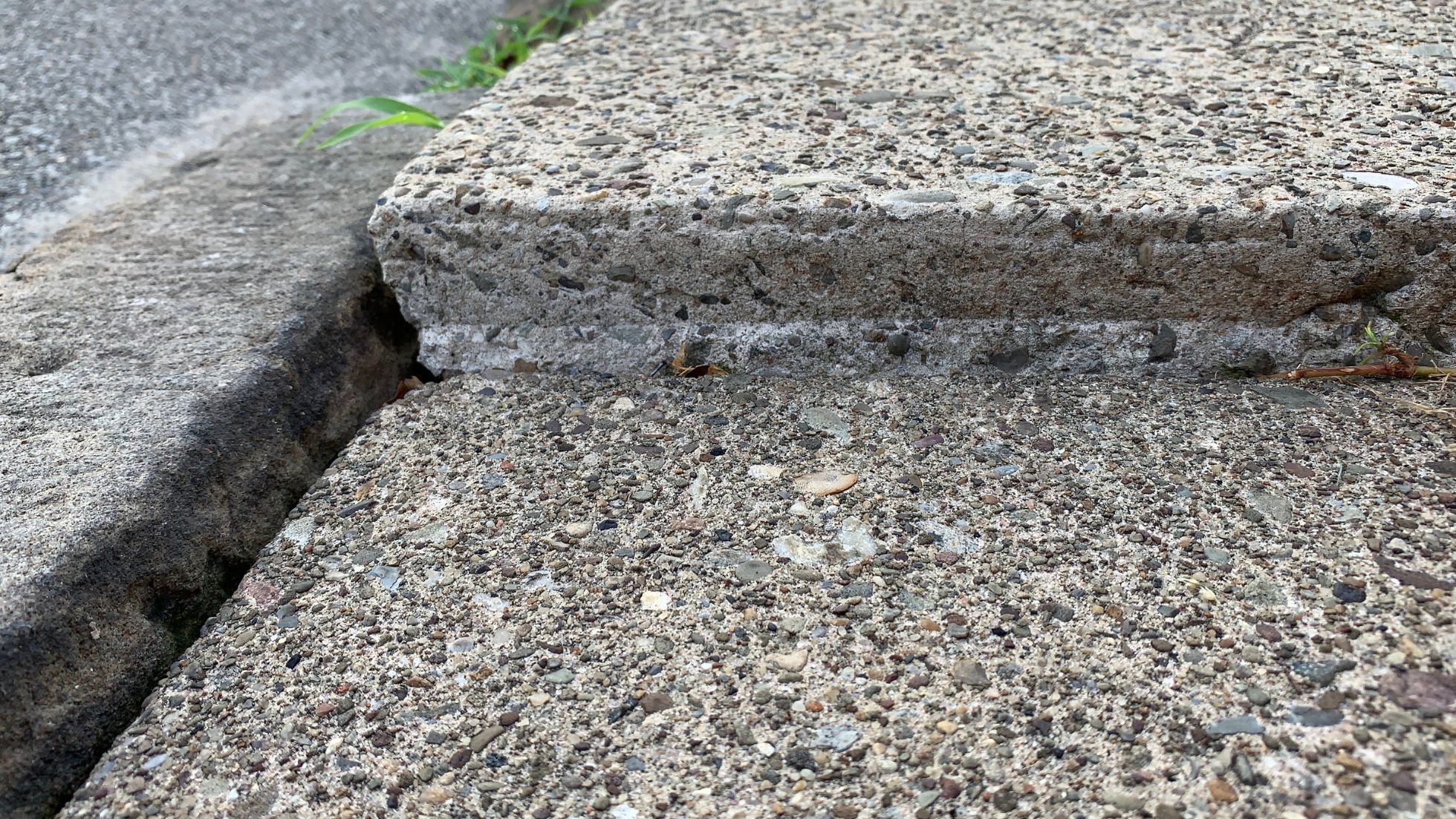
With California ADA penalties potentially reaching $4,000 per violation under the Unruh Civil Rights Act, uneven sidewalks create significant liability risks for property owners in Southern California. Property managers in San Diego often deal with trip hazards caused by soil shrinkage in the region’s dry climate, leading to accessibility issues and safety concerns. Precision Concrete Cutting addresses these challenges through patented horizontal slicing technology, offering efficient trip hazard removal that ensures ADA compliance without full replacement.
Key Information
- California ADA standards under Title 24 require sidewalks to have no vertical changes greater than 1/4 inch and a maximum 2% cross slope to maintain accessibility.
- Patented horizontal slicing provides 80% cost savings compared to remove-and-replace methods, with repairs typically completed in 15 minutes* per hazard.
- GIS surveys enable precise hazard mapping and preventative maintenance, helping property owners in San Diego avoid recurring issues from seasonal dry weather.
- Compliance with San Diego County standards can reduce liability, as documented repairs support insurance claims and legal protections.
All timelines and service cost ranges are provided for general information only. Actual project duration and service costs will depend on the specific property conditions, scope of work, accessibility requirements, and agreed-upon scope of service as set forth in the written service agreement.
Overview
This guide explores effective ways to address uneven sidewalks in Southern California without replacement, focusing on ADA compliance and specialized techniques. It covers regulatory requirements, innovative methods like horizontal slicing, and long-term strategies for property managers. By emphasizing California-specific insights and proven technologies, facility owners gain practical knowledge to enhance safety and reduce risks in San Diego’s commercial landscapes.
Understanding California ADA Compliance for Uneven Sidewalks
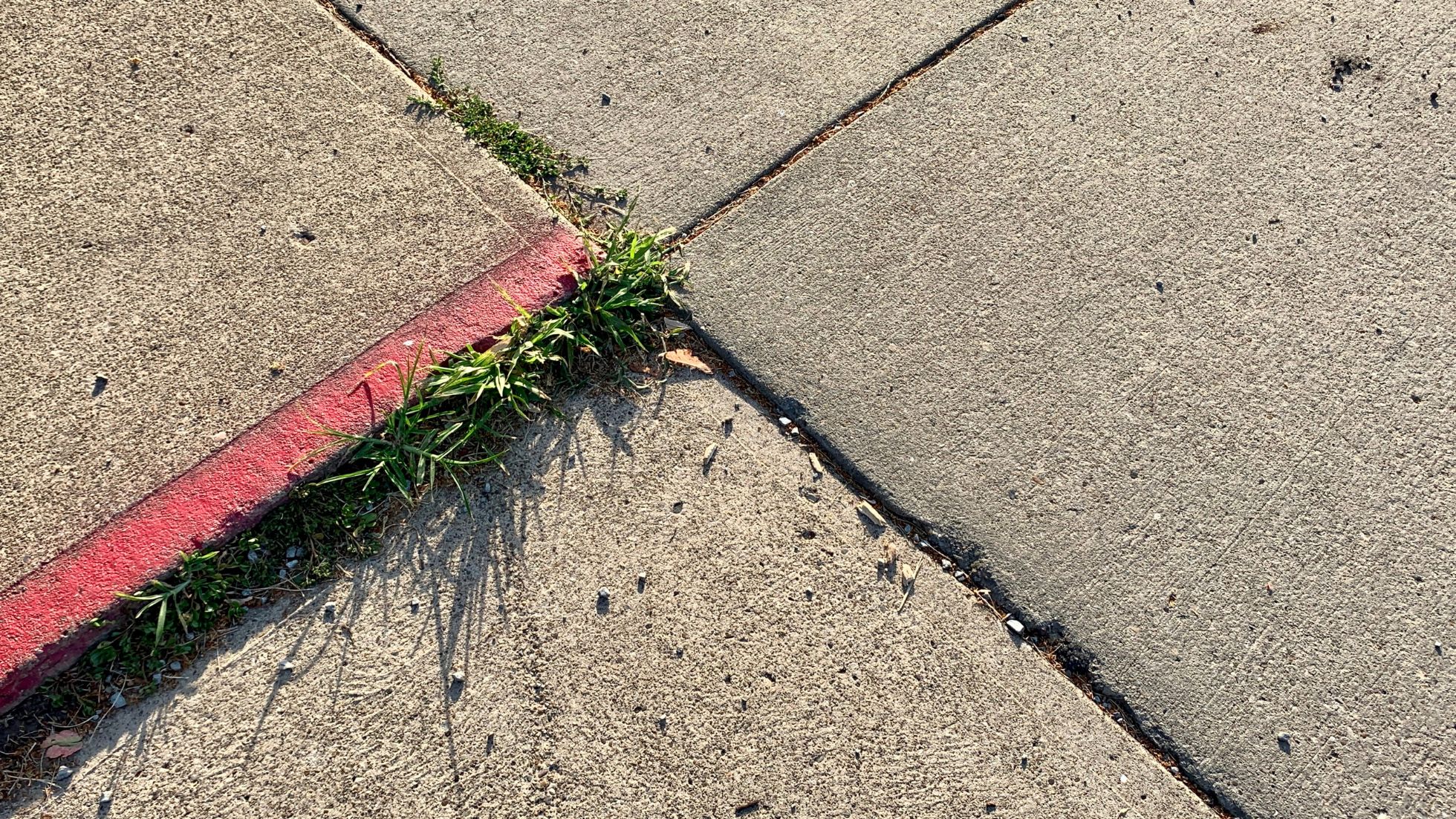
California’s ADA regulations mandate strict standards for sidewalk accessibility to protect public safety. Title 24, Part 2 of the California Building Code specifies that walkways must not exceed a 1/4-inch vertical change without beveling, and cross slopes should stay below 2%. These rules apply across Southern California, where local jurisdictions like San Diego County enforce them through inspections.
Violations can result in penalties under the Unruh Civil Rights Act, with fines up to $4,000 per incident, plus potential lawsuits. Property owners might face additional costs from accessibility complaints filed with the California Department of General Services. Recent case law, such as settlements involving municipal sidewalks, highlights the importance of proactive measures.
Patented horizontal slicing aligns with these standards by precisely removing hazards, ensuring smooth transitions. This method supports compliance without disrupting the existing structure, making it suitable for commercial properties in San Diego.
California-Specific ADA Compliance Procedures and Requirements
Procedures involve initial surveys to identify deviations from the 5% running slope limit and curb ramp specifications not exceeding 8.33%. Documentation from the California Building Standards Commission guides these assessments.
Penalty Ranges and Violation Consequences in California
Consequences include civil penalties and corrective actions, as outlined in California Government Code Section 5499.1-5499.16. Early intervention helps mitigate these risks for facility owners.
Patented Horizontal Slicing vs. Traditional Repair Methods
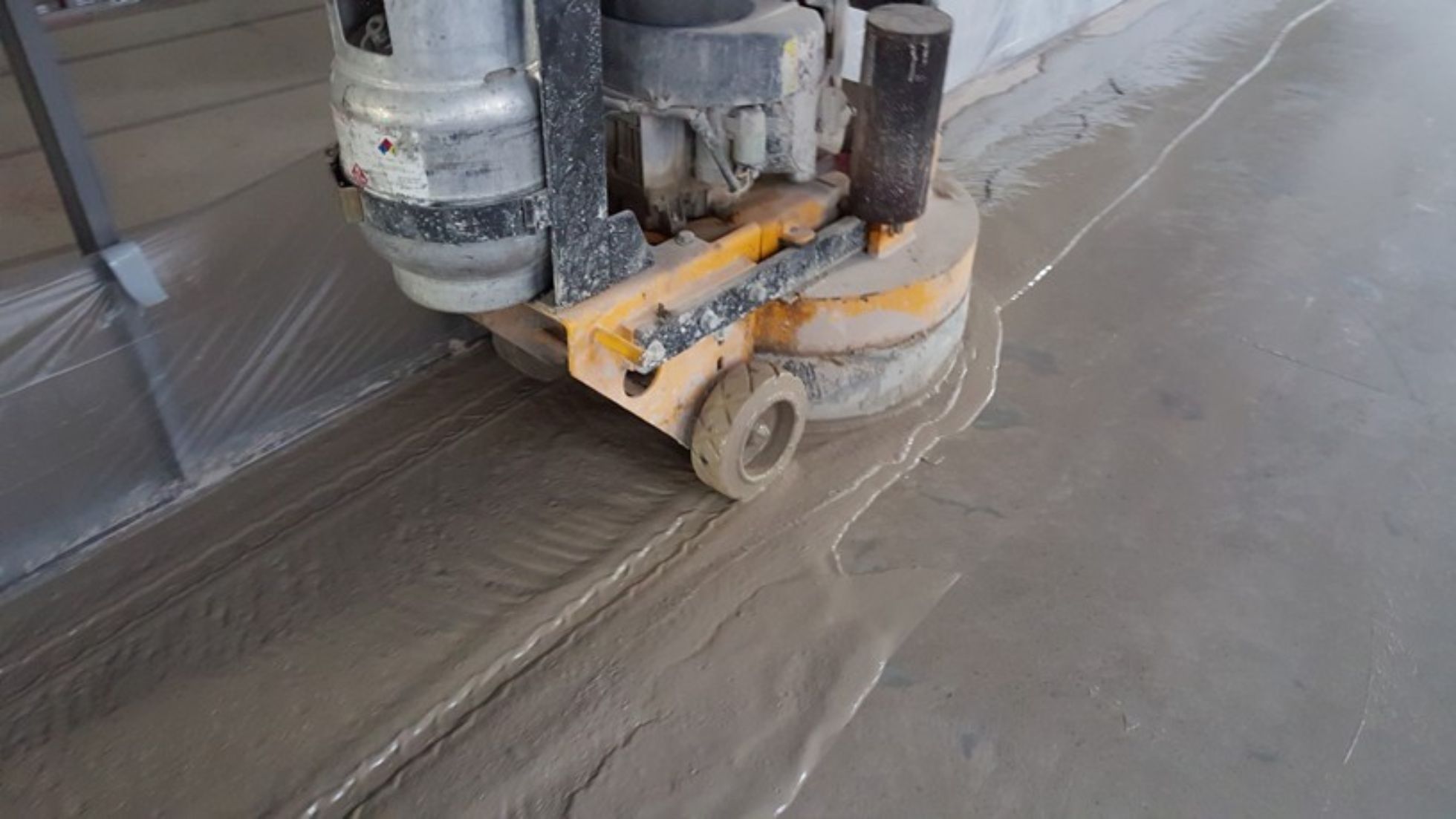 Patented horizontal slicing offers a targeted approach to trip hazard removal, using specialized saws to cut and level uneven sections without removal. This technique, developed over 25 years of experience in Southern California, preserves the sidewalk’s integrity while achieving ADA compliance.
Compared to full replacement, horizontal slicing delivers substantial savings, often 80% lower in costs due to reduced labor and materials. Property managers in San Diego benefit from this efficiency, especially in high-traffic areas where downtime must be minimized.
Repairs average 15 minutes* per location, far quicker than traditional approaches that might span days. This speed supports business continuity for commercial facilities.
Note: While some repair methods discussed here (e.g., patching or drainage work) may require general contractors, Precision Concrete Cutting specializes specifically in trip hazard removal using patented horizontal slicing. We do not perform patching, grinding, or concrete pouring.
Patented Technology Process and Benefits
The process begins with marking hazards, followed by precise cuts to eliminate offsets. Benefits include durability in SoCal’s dry climate and seamless integration with existing surfaces.
Cost-Benefit Analysis Compared to Remove-and-Replace
Analysis shows replacement can cost thousands per slab, while slicing remains economical. Factors like site size influence totals, but savings are consistent for Southern California properties.
The Trip Hazard Removal Process: What to Expect
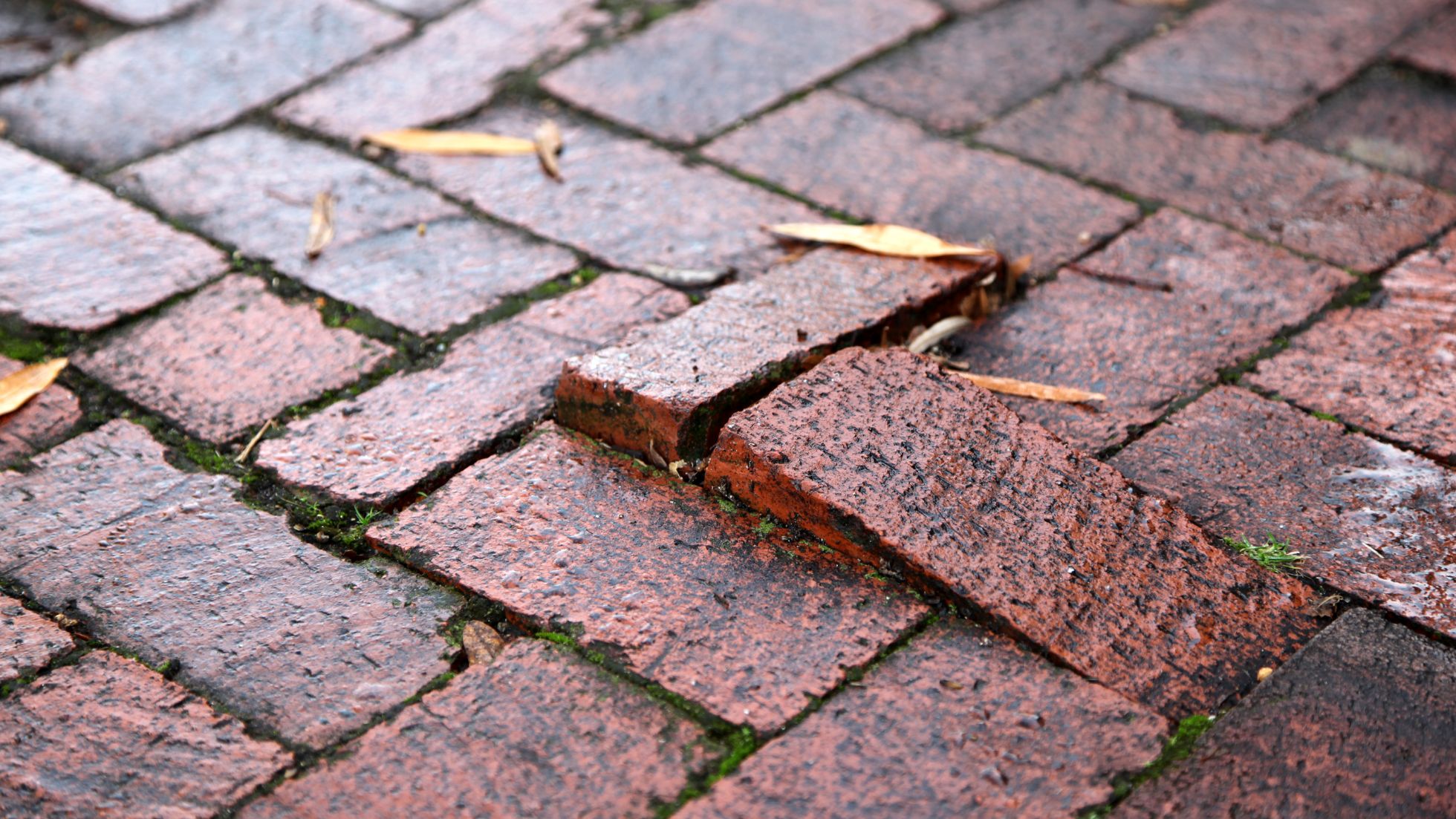
The process starts with a GIS survey to map hazards accurately, using advanced technology for detailed documentation. This step identifies issues like those from soil movement in San Diego’s climate.
On-site, horizontal slicing removes the hazards with minimal equipment, ensuring quick execution. Final checks confirm compliance, with reports provided for records.
Expect minimal disruption, as the method avoids heavy machinery, ideal for busy commercial zones.
Initial GIS Survey and Hazard Identification Phase
Surveys might take 1-2 hours*, capturing data on elevations and slopes. This informs targeted repairs.
Repair Execution and Final Documentation
Execution focuses on precision, followed by compliance verification aligned with San Diego Municipal Code.
Reducing Liability Through ADA-Compliant Repairs
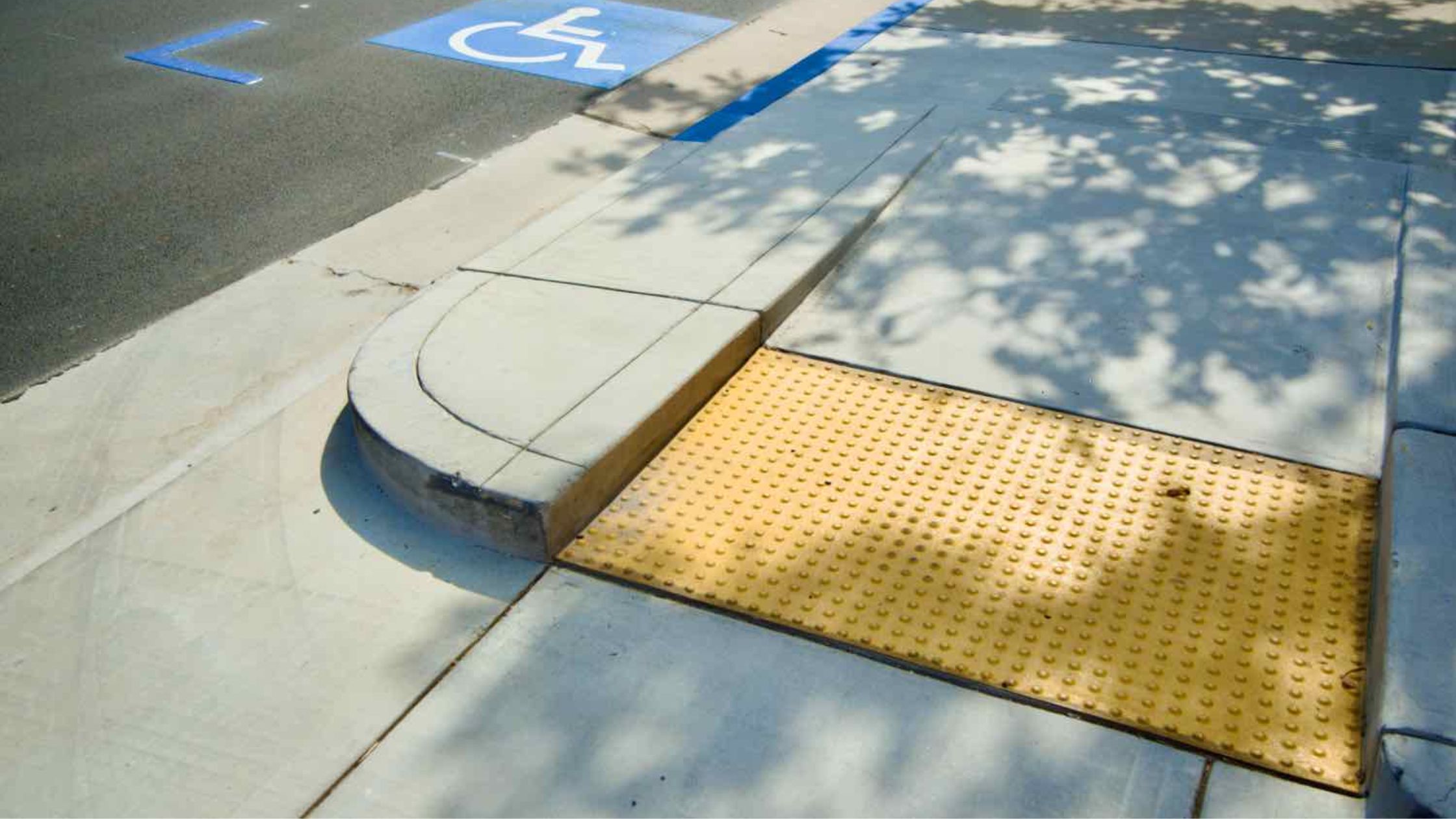
ADA-compliant repairs directly lower trip-and-fall risks, common in California’s regulatory environment. Documented fixes strengthen defenses against claims under the Unruh Act.
Insurance providers often view compliant properties favorably, potentially affecting premiums. Precision Concrete Cutting’s 2,000+ repairs demonstrate reliable outcomes.
Long-term, these repairs protect tenant safety and property value in San Diego.
Immediate Liability Reduction Benefits
Quick fixes address hazards promptly, reducing exposure to violations noted by the US Access Board.
Long-Term Risk Management and Maintenance Planning
Ongoing planning prevents recurrence, supported by GIS data for strategic oversight.
Preventative Maintenance and GIS Planning for Long-Term Safety
GIS planning identifies emerging hazards early, scheduling interventions before they escalate in SoCal’s dry conditions. This proactive approach extends sidewalk lifespan.
Maintenance might involve annual reviews*, budgeting for minor adjustments to maintain compliance.
ROI from preventative strategies often shows 50-70% savings over reactive repairs, based on industry data.
GIS Dashboard Capabilities and Data Management
Dashboards provide visual maps, aiding property managers in tracking compliance.
Preventative Maintenance Scheduling and Cost Benefits
Scheduling aligns with California standards, optimizing costs for commercial owners.
FAQ
California ADA Compliance & Regulations
What are the current California ADA compliance requirements for uneven sidewalks in San Diego?
Standards include no more than 1/4-inch vertical changes, as per Title 24.
What penalties do California property owners face for non-compliant sidewalks under the Unruh Act?
Fines can reach $4,000 per violation, plus legal fees.
What are the 2024-2025 ADA updates affecting sidewalk compliance in California?
Updates emphasize stricter slope measurements and documentation.
What California-specific procedures must be followed for sidewalk accessibility inspections?
Inspections follow California Contractors State License Board guidelines for licensed work.
What are the San Diego Municipal Code standards for walkway surfaces and accessibility?
Codes require even surfaces and proper ramps.
Patented Technology & Service Process
How does patented horizontal slicing compare to traditional grinding for ADA-compliant sidewalk repair?
It offers precision without surface damage, unlike grinding.
How does horizontal slicing minimize disruption during sidewalk repairs for busy commercial areas?
Repairs are quick and contained.
How quickly can trip hazards be removed without replacement in Southern California?
Typically 15 minutes* per site.
What role do curb ramps play in California ADA sidewalk compliance?
They ensure smooth transitions.
What steps are involved in getting a free assessment for uneven sidewalks in San Diego?
Contact for a site visit.
Cost Analysis & ROI
What are the cost savings of horizontal cutting vs. full replacement for commercial properties in Southern California?
Often 80% savings.
How to budget for ongoing sidewalk maintenance to avoid ADA violations in California?
Plan for annual surveys.
What preventative strategies using horizontal slicing can reduce future liability?
Regular slicing prevents buildup.
Maintenance Planning & Documentation
How can GIS surveys help in preventative maintenance planning for San Diego sidewalks?
They map risks accurately.
What documentation is needed for ADA compliance using GIS mapping in San Diego?
Detailed reports and elevations.
How does Southern California’s dry climate affect sidewalk unevenness and ADA compliance?
It causes shrinkage and shifts.
How does tenant safety impact property value in ADA-compliant Southern California facilities?
It enhances appeal.
How to choose a specialized contractor for trip hazard removal in San Diego?
Look for patented methods.
Conclusion
Patented horizontal slicing stands out for fixing uneven sidewalks, combining speed, savings, and compliance in Southern California. With GIS planning and 25 years of experience, Precision Concrete Cutting helps property managers achieve lasting safety. For a free assessment, book a site walk or call 760-334-8921.
Sources
California Regulatory Resources
- California DSA Access Compliance Reference Materials – Provides detailed accessibility provisions of the California Building Code, including sidewalk slopes and vertical changes.
- San Diego ADA Compliance Policies – Provides San Diego-specific access memos on cross slopes, pedestrian ramps, and local enforcement.
Professional and Industry Sources
- California Contractors State License Board – Details C-8 concrete licensing, bonding, and regulations for ADA-related work.
- US Access Board – Offers federal ADA standards for sidewalks, including guidelines on trip hazards and updates.
Building Code and Compliance Authorities
- California Building Standards Commission – Covers Title 24 requirements for walkway surfaces, curb ramps, and recent 2024 amendments.
- California Government Code – Details sidewalk accessibility mandates and procedures.
Service Consultation Disclaimer
This article provides general information about Southern California ADA compliance and sidewalk safety and should not be considered as specific technical advice for your property. Compliance requirements, repair methods, and procedures vary significantly based on individual property conditions, jurisdiction within California, and specific accessibility needs. Project schedules, service timelines, and maintenance processes can be affected by many factors specific to each property.
All timelines and service cost ranges are provided for general information only. Actual project duration and service costs will depend on the specific property conditions, scope of work, accessibility requirements, and agreed-upon scope of service as set forth in the written service agreement.
For confidential assessment and specialized service for your specific Southern California property, contact Precision Concrete Cutting or 760-334-8921. Our patented horizontal slicing specialists will provide personalized technical analysis based on your specific property conditions and compliance requirements. No service agreement is created by reading this article.

