
California HOAs face unprecedented liability exposure as ADA violation penalties reach $4,000 minimum statutory damages. Traditional reactive maintenance approaches leave communities vulnerable to costly compliance failures and emergency repairs that drain reserve funds. Smart sidewalk maintenance transforms HOA operations through predictive planning and advanced repair technologies that ensure ADA compliance while protecting property values.
Key Information
Smart sidewalk maintenance integrates GIS-powered property surveying with patented horizontal slicing technology to transform HOA management from reactive repairs to strategic asset planning. California’s Civil Code Section 4775 establishes HOA responsibility for common area maintenance with specific ADA compliance obligations. Advanced maintenance planning prevents emergency repairs that typically cost 300-500% more than scheduled maintenance*, while ensuring comprehensive liability protection through proper documentation and compliance verification.
Overview
This guide reveals how Southern California HOAs are revolutionizing sidewalk maintenance through smart technology integration and advanced repair methods. Property managers will discover predictive maintenance approaches that optimize reserve fund allocation while ensuring resident safety. The analysis covers California-specific ADA compliance requirements, GIS planning capabilities, and proven liability protection strategies essential for modern HOA management in the current regulatory environment.
California ADA Compliance for HOAs: Smart Strategies for Liability Protection
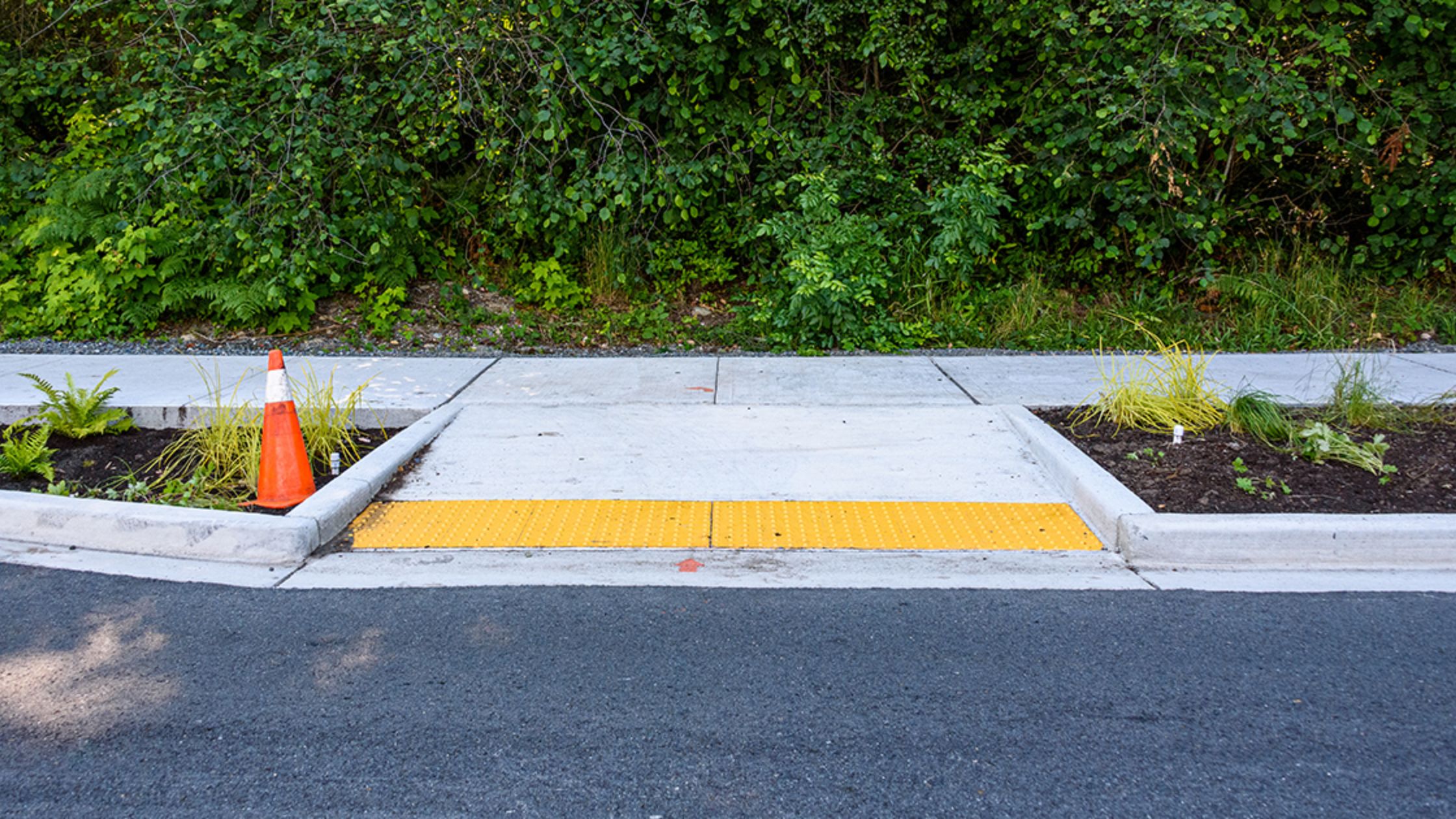 California Civil Code Section 4775 establishes clear HOA responsibility for common area maintenance with specific ADA compliance obligations. HOAs become liable for sidewalk trip hazards when defects exceed minor thresholds, typically 3/4 to 7/8 inch in depth according to California legal precedent. Smart maintenance strategies prevent liability exposure through proactive hazard identification and timely repairs.
California HOA ADA Responsibilities vs. Homeowner Obligations
California distinguishes between HOA common area responsibilities and individual homeowner obligations for sidewalk maintenance. Common area sidewalks, including pathways to amenities, parking areas, and community facilities, fall under HOA jurisdiction. Property managers benefit from understanding that liability extends beyond basic maintenance to include accessibility compliance and safety verification.
The $4,000 minimum statutory damages under California’s Unruh Civil Rights Act create substantial financial exposure for non-compliant communities. Smart maintenance planning prevents these violations through systematic hazard identification and timely intervention.
Liability Protection Through Smart Maintenance Documentation
Professional sidewalk inspection services provide comprehensive documentation essential for liability protection. Advanced reporting systems track repair history, compliance verification, and maintenance schedules that demonstrate proactive management to insurance providers and regulatory authorities.
GIS-powered documentation creates detailed property records showing every potential trip hazard with exact measurements and GPS coordinates. This systematic approach provides legal protection unavailable through traditional inspection methods while enabling strategic budget planning for reserve fund management.
GIS-Powered Maintenance Planning: Technology That Transforms HOA Operations
 GIS technology revolutionizes HOA maintenance through comprehensive property assessment that identifies all hazards versus traditional spot-checking approaches. Advanced mapping enables strategic budget planning and maintenance scheduling unavailable with conventional inspection methods. Property managers gain access to predictive analytics that optimize reserve fund allocation while preventing emergency repairs.
Comprehensive Property Assessment vs. Traditional Inspections
Traditional HOA inspections often miss developing hazards that create future liability exposure. GIS surveying provides complete property coverage with precise measurement and GPS documentation of every potential issue. Professional assessment typically requires 2-4 hours* for comprehensive evaluation compared to cursory visual inspections that may overlook critical compliance issues.
Advanced surveying identifies hazards before they reach the 1/4-inch threshold requiring immediate attention under ADA guidelines. This proactive approach enables planned maintenance scheduling that prevents emergency repairs and optimizes contractor availability for cost-effective service delivery.
Strategic Budget Planning with GIS Data Analytics
GIS technology provides detailed analytics for long-term maintenance planning and reserve fund management. Property managers receive comprehensive dashboards showing current conditions, projected maintenance schedules, and budget planning tools for strategic decision-making. This data-driven approach enables accurate reserve studies that prevent special assessments.
Professional maintenance planning reduces overall costs by 25-40%* through strategic scheduling and bulk repair coordination. Advanced planning also enables competitive bidding and contractor negotiation that maximizes value for community investment while ensuring compliance with California HOA maintenance requirements.
All timelines and service cost ranges are provided for general information only. Actual project duration and service costs will depend on the specific property conditions, scope of work, accessibility requirements, and agreed-upon scope of service as set forth in the written service agreement.
Patented Horizontal Cutting: Superior Technology for HOA Sidewalk Repairs
 Patented horizontal slicing technology provides superior results compared to traditional grinding methods that competitors recommend. Professional cutting systems achieve complete edge-to-edge coverage impossible with standard 8-inch grinding equipment that leaves compliance gaps. This specialized approach eliminates liability exposure while providing permanent solutions for HOA communities.
Patented Technology Process and ADA Compliance Advantages
Horizontal cutting creates precise beveled slopes required by California accessibility standards while traditional grinding equipment cannot guarantee consistent compliance. Professional repairs complete in 15 minutes per location* with guaranteed ADA compliance versus grinding methods that may require multiple treatments and ongoing maintenance.
The patented process reaches every angle of trip hazards, including areas adjacent to walls and gutters where conventional equipment struggles. This comprehensive coverage ensures complete liability elimination rather than partial repairs that leave ongoing exposure for HOA communities.
Cost-Benefit Analysis: Cutting vs. Traditional Methods vs. Replacement
Professional horizontal cutting provides 80% cost savings compared to remove-and-replace methods* while delivering superior results to grinding approaches. Traditional grinding often requires repeated treatments as underlying issues resurface, creating ongoing maintenance obligations that drain reserve funds.
Strategic cost reduction through permanent repair solutions prevents recurring expenses associated with temporary fixes. HOA boards benefit from understanding that investment in proper repair technology provides long-term value through elimination of repeat maintenance cycles and compliance verification.
Smart Maintenance ROI: How Technology Protects HOA Reserve Funds
Predictive maintenance prevents emergency repairs that typically cost 300-500% more than scheduled maintenance while protecting reserve funds from unexpected depletion. Smart planning enables accurate budgeting and prevents special assessments that burden homeowners. Property managers gain tools for demonstrating fiscal responsibility while maintaining community safety standards.
Reserve Fund Protection Through Predictive Maintenance
Emergency sidewalk repairs often require immediate contractor availability at premium rates during inconvenient timing. Predictive maintenance scheduling enables competitive bidding and optimal timing that maximizes value while ensuring compliance with accessibility requirements. Professional planning typically reduces maintenance costs by 25-40%* through strategic coordination.
Reserve studies benefit from accurate maintenance forecasting that prevents unexpected expenses. GIS data provides detailed projections for long-term planning that enable boards to maintain adequate reserves while avoiding excessive assessments that impact property values.
Long-Term Financial Planning with Strategic Asset Management
Professional asset management through comprehensive maintenance planning provides long-term financial stability for HOA communities. Strategic scheduling enables bulk repairs and contractor coordination that reduces per-unit costs while ensuring consistent quality and compliance verification.
Advanced planning also enables insurance premium optimization through demonstrated risk management. Professional documentation and proactive maintenance strategies provide evidence of proper stewardship that insurance providers recognize through favorable premium structures and coverage terms.
Implementation Strategy: Getting Started with Smart Sidewalk Maintenance
Professional implementation begins with comprehensive property assessment and strategic planning for transition from reactive to predictive maintenance. HOA boards benefit from understanding the process and timeline for implementing advanced maintenance programs that protect community assets while ensuring regulatory compliance.
Initial Assessment and Planning Phase
Professional property assessment provides baseline data for strategic maintenance planning and budget development. Comprehensive evaluation typically requires 2-4 hours* depending on property size and complexity. This initial investment enables long-term planning that prevents emergency repairs and optimizes reserve fund allocation.
Assessment includes detailed documentation of current conditions, compliance verification, and maintenance priority ranking for strategic scheduling. Professional evaluation also identifies potential liability exposures and provides recommendations for immediate attention versus planned maintenance coordination.
Board Education and Community Communication
Successful implementation requires board education about smart maintenance benefits and community communication about improved service delivery. Professional consultation provides board training and resident communication strategies that demonstrate value and fiscal responsibility. Effective communication prevents confusion and builds support for strategic maintenance investment.
Property managers benefit from professional guidance about implementation timelines and coordination with existing maintenance schedules. Strategic planning ensures minimal disruption while maximizing benefits through comprehensive approach to community asset management.
Frequently Asked Questions
What are California HOAs’ legal responsibilities for sidewalk ADA compliance? California Civil Code Section 4775 establishes HOA responsibility for common area maintenance including ADA compliance. HOAs become liable for trip hazards exceeding minor thresholds, typically 3/4 to 7/8 inch in depth, with potential penalties starting at $4,000 minimum statutory damages.
How does GIS surveying improve HOA sidewalk maintenance planning? GIS technology provides comprehensive property assessment with precise measurement and GPS documentation of every potential hazard. This enables strategic maintenance scheduling, accurate budget planning, and legal documentation that protects against liability while optimizing reserve fund allocation.
What makes smart maintenance more effective than reactive repair approaches? Smart maintenance prevents emergency repairs that cost 300-500% more than scheduled maintenance* while ensuring ADA compliance through systematic hazard identification. Predictive planning enables competitive bidding and optimal timing that maximizes value for community investment.
How do smart maintenance strategies protect HOA reserve funds? Professional planning reduces overall maintenance costs by 25-40%* through strategic scheduling and bulk repair coordination. Advanced planning prevents emergency repairs and special assessments while enabling accurate reserve studies for long-term financial stability.
What’s the ROI comparison between predictive and reactive maintenance? Predictive maintenance typically provides 3:1 ROI through prevention of emergency repairs and extended asset life. Strategic planning enables competitive contractor rates and optimal timing that maximizes value while ensuring compliance with accessibility requirements.
How long do smart sidewalk maintenance projects take for HOA communities? Initial property assessment requires 2-4 hours* for comprehensive evaluation. Individual repairs complete in 15 minutes per location* using patented horizontal cutting technology. Project scheduling accommodates community operations with minimal disruption to residents.
What documentation do HOAs need for smart maintenance compliance? Professional documentation includes detailed property maps, compliance verification, repair history tracking, and maintenance schedules. Advanced reporting systems provide legal protection and insurance benefits essential for California HOA liability management.
How do smart maintenance strategies integrate with existing HOA operations? Professional implementation coordinates with existing maintenance schedules and vendor relationships. Strategic planning ensures seamless integration while improving service delivery and cost effectiveness through comprehensive approach to community asset management.
Sources
California Regulatory Resources
- California Civil Code Section 4775 – HOA common area maintenance responsibilities and legal requirements
- California Department of General Services – ADA compliance requirements for existing facilities and penalty structures
Professional and Industry Sources
- Davis-Stirling Act Resources – HOA liability thresholds for trip hazards and maintenance obligations
- 2010 ADA Standards for Accessible Design – Federal accessibility requirements and technical specifications
Building Code and Compliance Authorities
- California HOA Maintenance Requirements – Comprehensive guide to California HOA maintenance obligations and best practices
- Personalized Property Management – Southern California HOA management expertise and regulatory guidance
Service Consultation Disclaimer
This article provides general information about Southern California ADA compliance and sidewalk safety and should not be considered as specific technical advice for your property. Compliance requirements, repair methods, and procedures vary significantly based on individual property conditions, jurisdiction within California, and specific accessibility needs. Project schedules, service timelines, and maintenance processes can be affected by many factors specific to each property.
All timelines and service cost ranges are provided for general information only. Actual project duration and service costs will depend on the specific property conditions, scope of work, accessibility requirements, and agreed-upon scope of service as set forth in the written service agreement.
For confidential assessment and specialized service for your specific Southern California property, contact Precision Concrete Cutting at or 760-334-8921. Our patented horizontal slicing specialists will provide personalized technical analysis based on your specific property conditions and compliance requirements. No service agreement is created by reading this article.

