
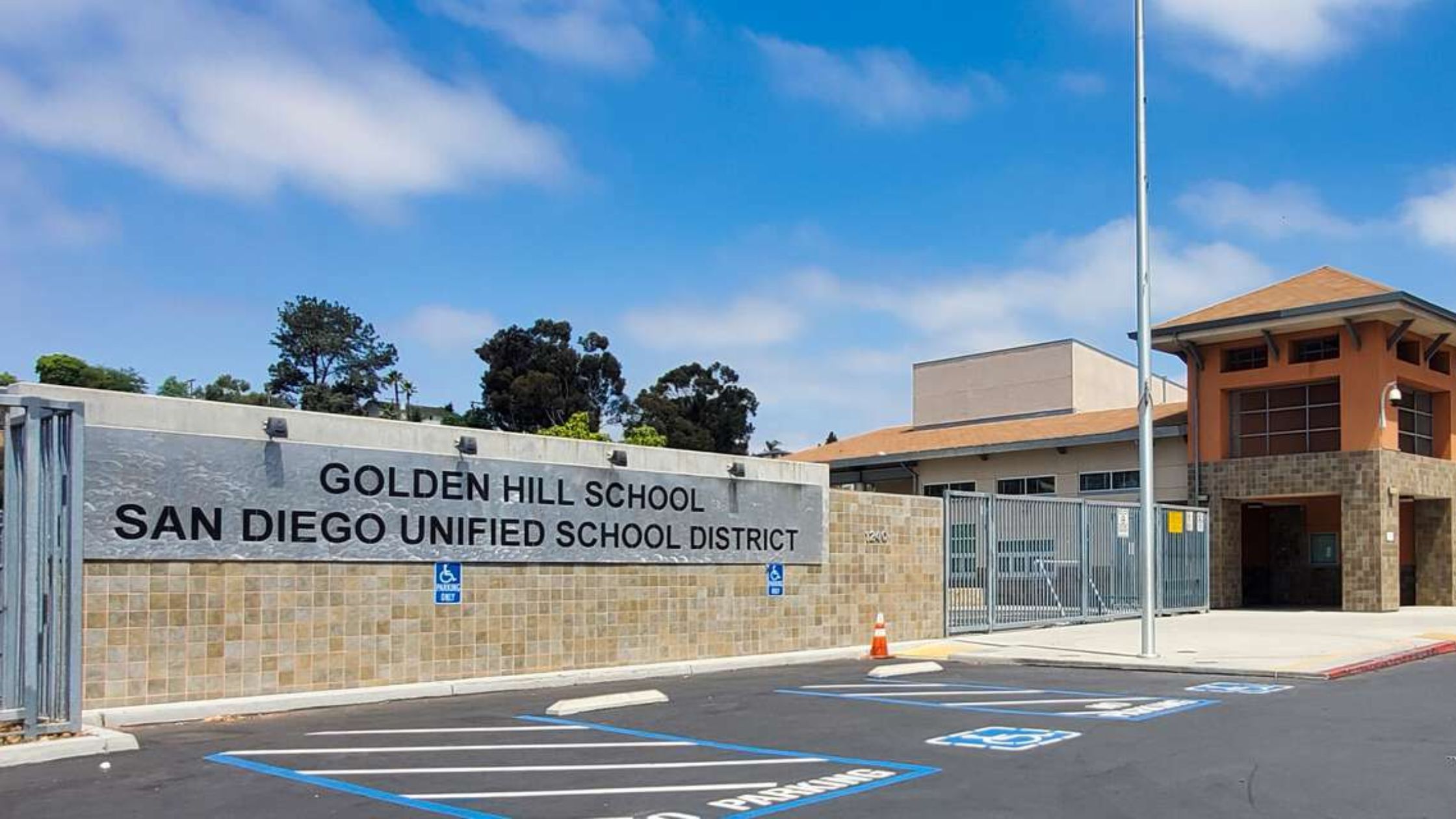
Ensuring the safety of students and staff on school grounds is a top priority for administrators and facilities managers. A often-overlooked area, however, is school sidewalk safety. Uneven concrete, cracks, and other trip hazards pose significant risks, potentially leading to injuries and exposing school districts to substantial liability, especially under California’s stringent accessibility laws.
This guide outlines proactive strategies to maintain safe sidewalks year-round, focusing on efficient hazard removal and preventative campus maintenance. With over 25 years of experience serving Southern California, Precision Concrete Cutting provides specialized solutions to help schools protect their communities and their budgets.
Key Information
- High Stakes for Schools: Schools are responsible for creating accessible and safe pathways. Trip hazards on campus expose districts to injury claims and significant penalties under California’s ADA-related laws.
- Defining a Hazard: In California, any vertical change over 1/4 inch in a walkway is a trip hazard requiring remediation. Even minor imperfections can lead to a fall and subsequent liability.
- Flawed “Fixes”: Traditional grinding is an outdated method that often fails to provide a lasting or compliant repair. It can damage concrete and disrupt campus environments.
- The Patented Solution: Patented horizontal slicing offers a precise, fast, and cost-effective way to remove trip hazards, restoring ADA compliance with minimal disruption to school operations.
- Proactive Maintenance: Implementing a GIS-powered preventative maintenance plan is crucial for managing campus walkways proactively, reducing liability, and optimizing maintenance budgets.
Overview
This guide provides school administrators and facilities managers in Southern California with a comprehensive approach to ensuring safe campus sidewalks. It delves into California-specific ADA compliance requirements, common maintenance pitfalls, and the benefits of modern, precise trip hazard removal techniques. Learn how to protect students, staff, and your district’s financial resources through strategic, proactive campus maintenance.
Understanding the Stakes: Why School Sidewalk Safety Matters in California
Schools, like commercial properties, have a legal and ethical obligation to provide safe and accessible environments. For Southern California school districts, this obligation is particularly stringent due to California’s unique legal landscape.
ADA Compliance and the California Building Code (CBC)
School campuses must adhere to the Americans with Disabilities Act (ADA), which mandates accessible pathways. In California, these federal requirements are reinforced and often expanded by the California Building Code (CBC) Chapter 11B. This code specifically states that any abrupt change in level over 1/4 inch on a walking surface constitutes a trip hazard that requires remediation. A 1/2-inch vertical change must be beveled.
Failure to meet these standards not only endangers students and staff but also leaves districts vulnerable to costly litigation and findings of non-compliance.
The Unruh Civil Rights Act: Heightened Liability for California Schools
California’s Unruh Civil Rights Act (Civil Code § 51) significantly increases the stakes for accessibility violations. This state law, often invoked alongside ADA claims, allows for statutory damages of a minimum of $4,000 per violation. For a school district, multiple unaddressed trip hazards across a campus can quickly accumulate into a substantial financial exposure.
Understanding these specific California laws is crucial for mitigating sidewalk liability and ensuring the safety of everyone on campus.
Common Mistakes in School Sidewalk Maintenance
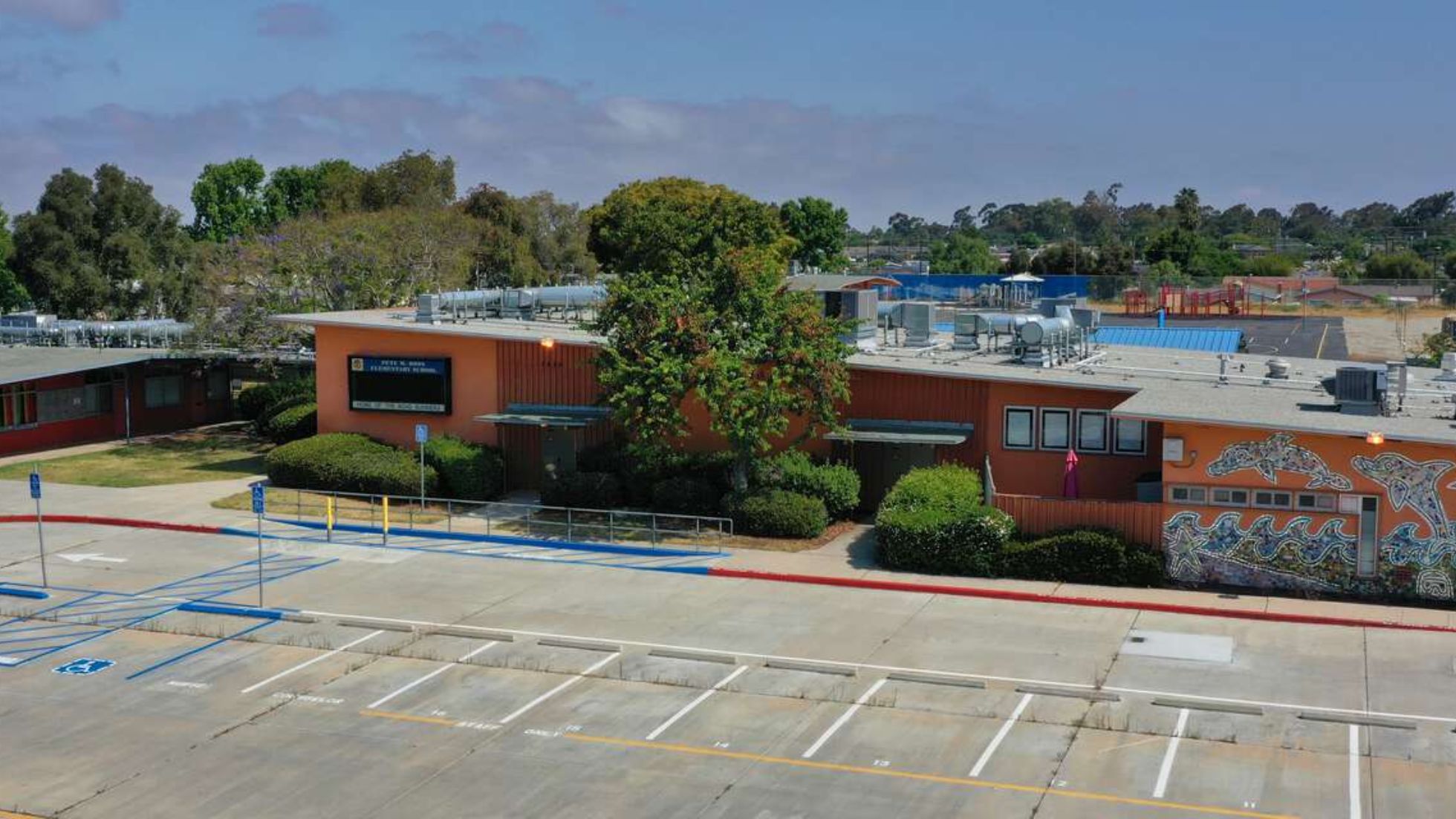
Many school districts, often due to budget constraints or outdated practices, inadvertently make mistakes that compromise sidewalk safety and increase liability. Recognizing these errors is the first step toward effective campus maintenance.
Relying on Temporary or Ineffective Repairs (e.g., Grinding)
A common mistake is using traditional concrete grinding to address trip hazards. While seemingly cost-effective, grinding is an aggressive and imprecise method. It often leaves an unsightly, rough surface that degrades the concrete’s integrity and may not provide a long-term ADA-compliant solution. It also creates noise and dust, which can be particularly disruptive in a school environment.
Note: While some repair methods discussed here (e.g., patching or drainage work) may require general contractors, Precision Concrete Cutting specializes specifically in trip hazard removal using patented horizontal slicing. We do not perform patching, grinding, or concrete pouring.
Delayed Repairs Leading to Costly Replacement
Another critical error is delaying repairs until hazards become severe. This often leads to a situation where full concrete replacement is deemed the only option. Replacement is significantly more expensive (potentially costing 100% more*) and far more disruptive to school operations, requiring extended closures and rerouting of student and staff traffic.
*All timelines and service cost ranges are provided for general information only. Actual project duration and service costs will depend on the specific property conditions, scope of work, accessibility requirements, and agreed-upon scope of service as set forth in the written service agreement.
The Modern Solution: Patented Horizontal Slicing for Schools
For Southern California schools, a superior and less disruptive solution exists for sidewalk repair: patented horizontal slicing. This specialized technology directly addresses the unique needs of school campuses.
Precision, Speed, and Minimal Disruption
Patented horizontal slicing uses a proprietary system to make a clean, precise cut that removes the entire trip hazard. This method restores the sidewalk to an ADA-compliant, smooth surface without the damage or mess of traditional grinding. The process is remarkably fast, with most individual repairs taking an average of 15 minutes* per location. This means hazards can be addressed quickly, often during off-peak hours, with minimal disruption to students, classes, or campus activities.
Ensuring Long-Term Compliance and Safety
The precision of this horizontal slicing technique ensures a lasting repair that meets the strict standards of the California Building Code. By providing a permanent, smooth transition, schools can confidently enhance campus safety and protect against future liability claims related to trip hazards.
Proactive Campus Maintenance: The Power of GIS Planning
The most effective strategy for any school district is to move beyond reactive repairs and implement a proactive campus maintenance plan. This is where GIS (Geographic Information System) technology provides a transformative solution.
Data-Driven Sidewalk Management
A professional GIS survey creates a detailed digital map of all campus walkways. This survey identifies, measures, and precisely pinpoints every existing and potential trip hazard. This data allows facilities managers to:
- Prioritize Repairs: Address the most critical hazards first, optimizing budget allocation.
- Budget Accurately: Gain a clear understanding of the full scope of necessary repairs to plan future budgets effectively.
- Document Diligence: Maintain a verifiable digital record of inspections and maintenance efforts, crucial for demonstrating due diligence in liability claims.
- Plan Preventatively: Proactively manage the ongoing impact of Southern California’s climate on concrete, addressing issues before they become liabilities.
Protecting Budgets and Reputations
By implementing a GIS-powered preventative maintenance strategy, schools can significantly reduce the risk of costly litigation, avoid large, unexpected repair expenses, and ensure continuous ADA compliance. This proactive approach safeguards district budgets and, most importantly, protects the well-being of the entire school community.
Ensuring a Safe Learning Environment
For Southern California schools, maintaining safe sidewalks for students and staff is a complex but achievable goal. It requires an understanding of California’s strict liability laws and a commitment to modern, proactive maintenance. By moving away from outdated repair methods and embracing specialized technologies like patented horizontal slicing and GIS-powered planning, districts can achieve lasting safety and compliance.
With 25+ years of experience, Precision Concrete Cutting is a trusted partner for school districts across Southern California. Our specialized solutions help schools manage trip hazards effectively, reduce liability, and optimize maintenance budgets. Contact us today for a free site assessment and learn how to implement a comprehensive sidewalk safety plan for your campus.
Sources
California Regulatory Resources
- California Civil Rights Department (Unruh Act FAQ) – Explains the state law (Civil Code § 51) and its implications for accessibility violations.
- California Government Code (Access to Public Buildings) – Provides context on public building accessibility requirements, relevant to school facilities.
Professional and Industry Sources
- California Contractors State License Board (CSLB) – Verifies contractor licensing for concrete-related work, important for selecting qualified service providers.
- National Fire Protection Association (NFPA) – Provides general safety guidelines, including those relevant to pathways in public facilities.
Building Code and Compliance Authorities
- California Building Standards Commission (BSC) – Official source for the California Building Code (CBC), including Chapter 11B on accessibility.
- US Access Board – Provides the federal baseline standards for the Americans with Disabilities Act (ADA).
Service Consultation Disclaimer
This article provides general information about Southern California ADA compliance and sidewalk safety and should not be considered as specific technical advice for your property. Compliance requirements, repair methods, and procedures vary significantly based on individual property conditions, jurisdiction within California, and specific accessibility needs. Project schedules, service timelines, and maintenance processes can be affected by many factors specific to each property.
All timelines and service cost ranges are provided for general information only. Actual project duration and service costs will depend on the specific property conditions, scope of work, accessibility requirements, and agreed-upon scope of service as set forth in the written service agreement.
For confidential assessment and specialized service for your specific Southern California property, contact Precision Concrete Cutting or 760-334-8921. Our patented horizontal slicing specialists will provide personalized technical analysis based on your specific property conditions and compliance requirements. No service agreement is created by reading this article.

