
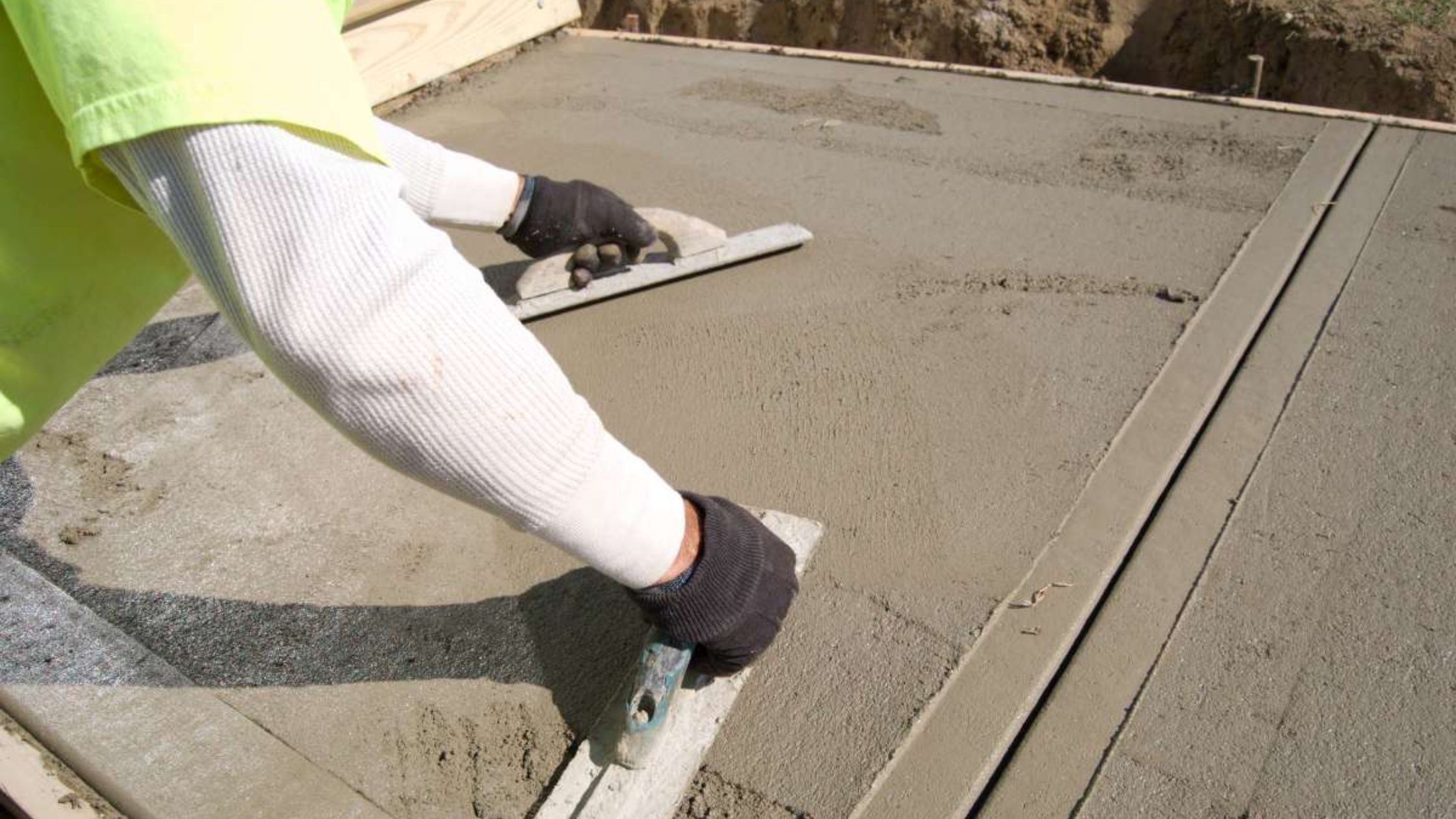
For commercial property managers in Southern California, the goal of trip hazard prevention isn’t just about maintaining appearances; it’s about preventing liability. While many focus on managing obvious issues like cracked sidewalks, a truly effective strategy involves stopping damage before it becomes a hazard.
However, “prevention” in Southern California means more than just pouring new concrete. It means implementing a proactive management plan that respects our unique climate and utilizes modern technology. With over 25 years of experience, Precision Concrete Cutting has identified the key strategies that separate low-cost, compliant properties from high-risk, high-cost ones.
Key Information
- Pro Tip 1: Manage Environmental Factors. Addressing water drainage and tree root systems is a fundamental step in long-term sidewalk preservation.
- Pro Tip 2: Respect SoCal’s Climate. Understand that soil settlement from our dry climate makes some damage inevitable; the key is how you manage it.
- Pro Tip 3: Shift from “Prevention” to “Proactive Management.” The real goal is to prevent liability. This means addressing hazards when they are small, before they trigger a $4,000+ penalty under California’s Unruh Act.
- Pro Tip 4: Use Patented Slicing for Early Intervention. When a hazard does appear, using patented horizontal slicing is a preventative measure against a full replacement, saving up to 100%* of the cost.
- Pro Tip 5: Implement a GIS-Powered Maintenance Plan. The ultimate pro tip is to use data. A GIS survey finds every hazard and creates a multi-year plan, turning “prevention” into a manageable, budgeted process.
Overview
This guide provides five expert tips for Southern California property owners to effectively prevent sidewalk damage and its associated liabilities. We will cover the environmental causes you can manage, the inevitable factors you must plan for, and the specialized technology that makes proactive maintenance possible. Learn how to shift your mindset from reactive repair to proactive, long-term asset management.
Tip 1: Manage Environmental Factors (Trees & Water)
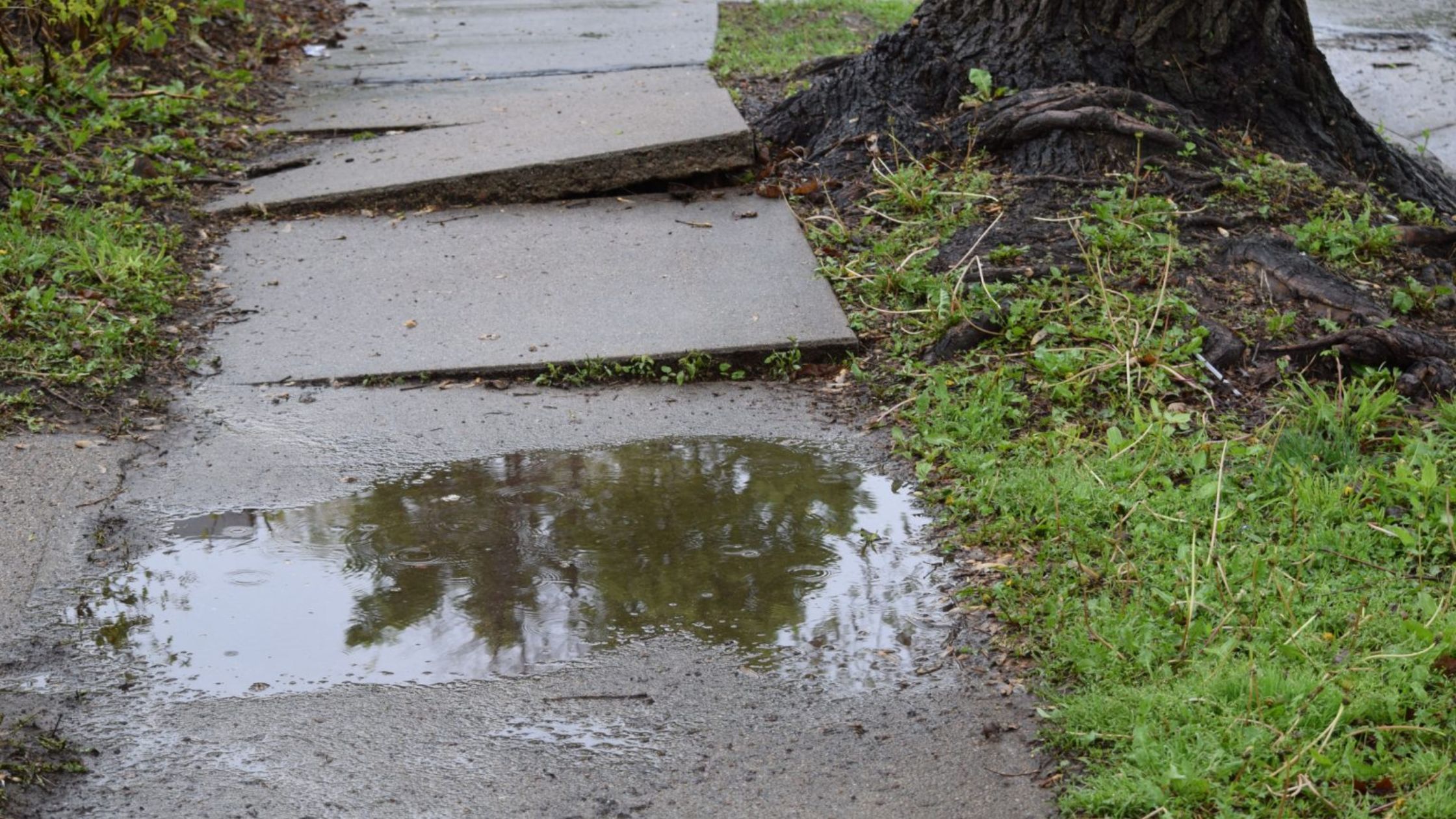
The most common culprits behind sidewalk lifting and cracking are environmental. Invasive tree roots can push slabs upward, while poor water drainage or broken sprinklers can erode the soil base underneath, causing slabs to sink.
Proactively managing these issues is a key first step. This can involve installing root barriers for new landscaping or repairing irrigation and drainage systems to ensure water is channeled away from walkways. Addressing these root causes can prevent many future hazards from forming.
Note: While managing drainage or tree roots often requires landscapers or general contractors, Precision Concrete Cutting specializes in addressing the results of this damage with unparalleled precision. We do not perform root management, sealing, or concrete pouring.
Tip 2: Respect Southern California’s Climate

Here is a fact for SoCal property managers: you cannot prevent 100% of sidewalk damage. Our region’s unique climate, characterized by long dry seasons and expansive clay soils, creates a constant “shrink-swell” cycle. During droughts, soil shrinks and settles, causing slabs to sink. When heavy rains arrive, the soil expands, causing heaving.
Because this soil movement is inevitable, “pure prevention” is impossible. The real pro strategy is to accept this and build a plan for managing the inevitable, minor damage before it becomes a major liability.
Tip 3: Shift from “Prevention” to “Proactive Management”
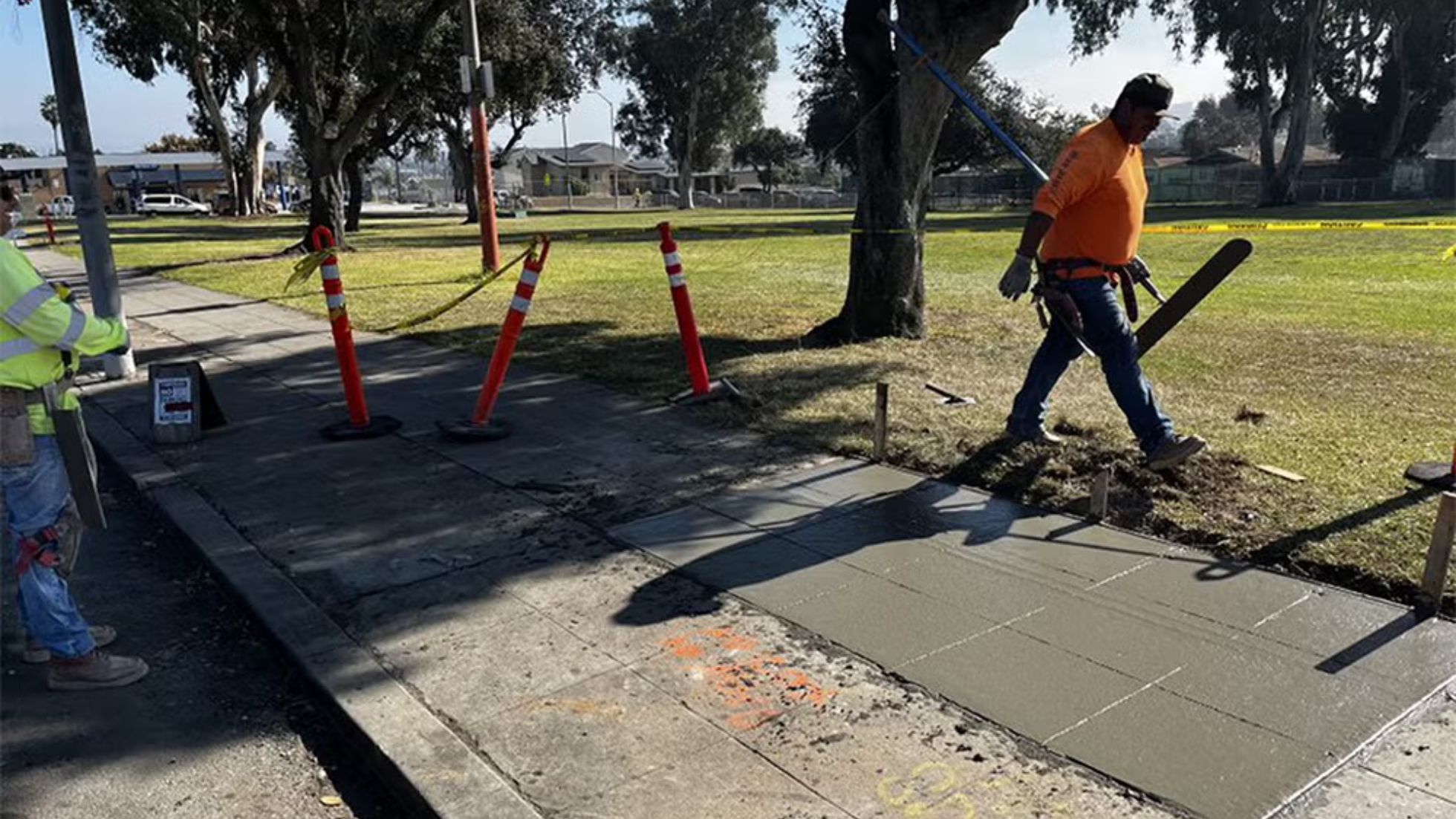
This is the most important tip. The true goal isn’t just to prevent cracks; it’s to prevent lawsuits. Under California’s Building Code (CBC) Chapter 11B, any vertical offset over 1/4 inch is a defined trip hazard. And under the state’s Unruh Civil Rights Act, that “minor” hazard can result in a minimum $4,000 statutory penalty.
A proactive management strategy means you actively hunt for these small, 1/4-inch to 1-inch hazards and remove them immediately. You aren’t just fixing concrete; you are actively removing liability from your property. This shift in mindset is the key to liability prevention.
Tip 4: Use Patented Horizontal Slicing for Early Intervention
When you find a hazard (Tip 3), what you do next matters. Many property managers turn to traditional grinding, which is an aggressive, damaging, and unsightly “fix.” Others wait until the problem is so bad that a full, costly replacement is the only option.
The “pro tip” is to use patented horizontal slicing. This technology is a form of prevention—it prevents a small problem from becoming a large, expensive one. This specialized service makes a precise, clean cut that removes the entire hazard, leaving a smooth, ADA-compliant surface. It’s incredibly fast (often 15 minutes* per repair) and can save you 100%* of the cost of replacement.
*All timelines and service cost ranges are provided for general information only. Actual project duration and service costs will depend on the specific property conditions, scope of work, accessibility requirements, and agreed-upon scope of service as set forth in the written service agreement.
Tip 5: Implement a GIS-Powered Maintenance Plan
This is the ultimate pro tip that ties everything together. How do you find every 1/4-inch hazard across a large commercial property? How do you budget for repairs and prove your diligence to an insurance carrier or court?
You use data. A GIS-powered survey and maintenance plan is the ultimate prevention tool. A specialist walks your entire property, using GIS technology to map, measure, and photograph every single hazard. You receive a comprehensive report that allows you to:
Prioritize: Fix the worst hazards first.
Budget: Know the exact cost to become 100% compliant.
Plan: Create a 3-5 year maintenance plan.
Defend: Maintain a digital record of diligence, proving you are actively managing your property’s safety.
This service, offered by Precision Concrete Cutting, transforms sidewalk maintenance from a reactive, costly chore into a managed, predictable, and defensible part of your operations.
True Prevention is Proactive Management
While you can’t stop the ground from shifting in Southern California, you can absolutely prevent sidewalk damage from impacting your budget and liability. True trip hazard prevention is a proactive strategy that combines smart environmental management with a data-driven plan for early, efficient intervention.
Stop reacting to sidewalk damage and start preventing the liability. Contact Precision Concrete Cutting today to schedule a free site assessment or learn more about our GIS-powered maintenance plans, backed by 25+ years of specialized experience in Southern California.
Sources
California Regulatory Resources
- California Civil Rights Department (Unruh Act FAQ) – Provides details on the state law (Civil Code § 51) and its $4,000 minimum penalty for access violations.
- California Streets and Highways Code § 5610 – Defines the responsibility of property owners to maintain adjacent public sidewalks.
Professional and Industry Sources
- California Contractors State License Board (CSLB) – Verifies licensing for any concrete-related work in California.
Building Code and Compliance Authorities
- California Building Standards Commission (BSC) – Official source for the California Building Code (CBC), including Chapter 11B, which defines a 1/4-inch offset as a hazard.
- US Access Board – Provides the federal baseline standards for the Americans with Disabilities Act (ADA).
Service Consultation Disclaimer
This article provides general information about Southern California ADA compliance and sidewalk safety and should not be considered as specific technical advice for your property. Compliance requirements, repair methods, and procedures vary significantly based on individual property conditions, jurisdiction within California, and specific accessibility needs. Project schedules, service timelines, and maintenance processes can be affected by many factors specific to each property.
All timelines and service cost ranges are provided for general information only. Actual project duration and service costs will depend on the specific property conditions, scope of work, accessibility requirements, and agreed-upon scope of service as set forth in the written service agreement.
For confidential assessment and specialized service for your specific Southern California property, contact Precision Concrete Cutting or 760-334-8921. Our patented horizontal slicing specialists will provide personalized technical analysis based on your specific property conditions and compliance requirements. No service agreement is created by reading this article.

