
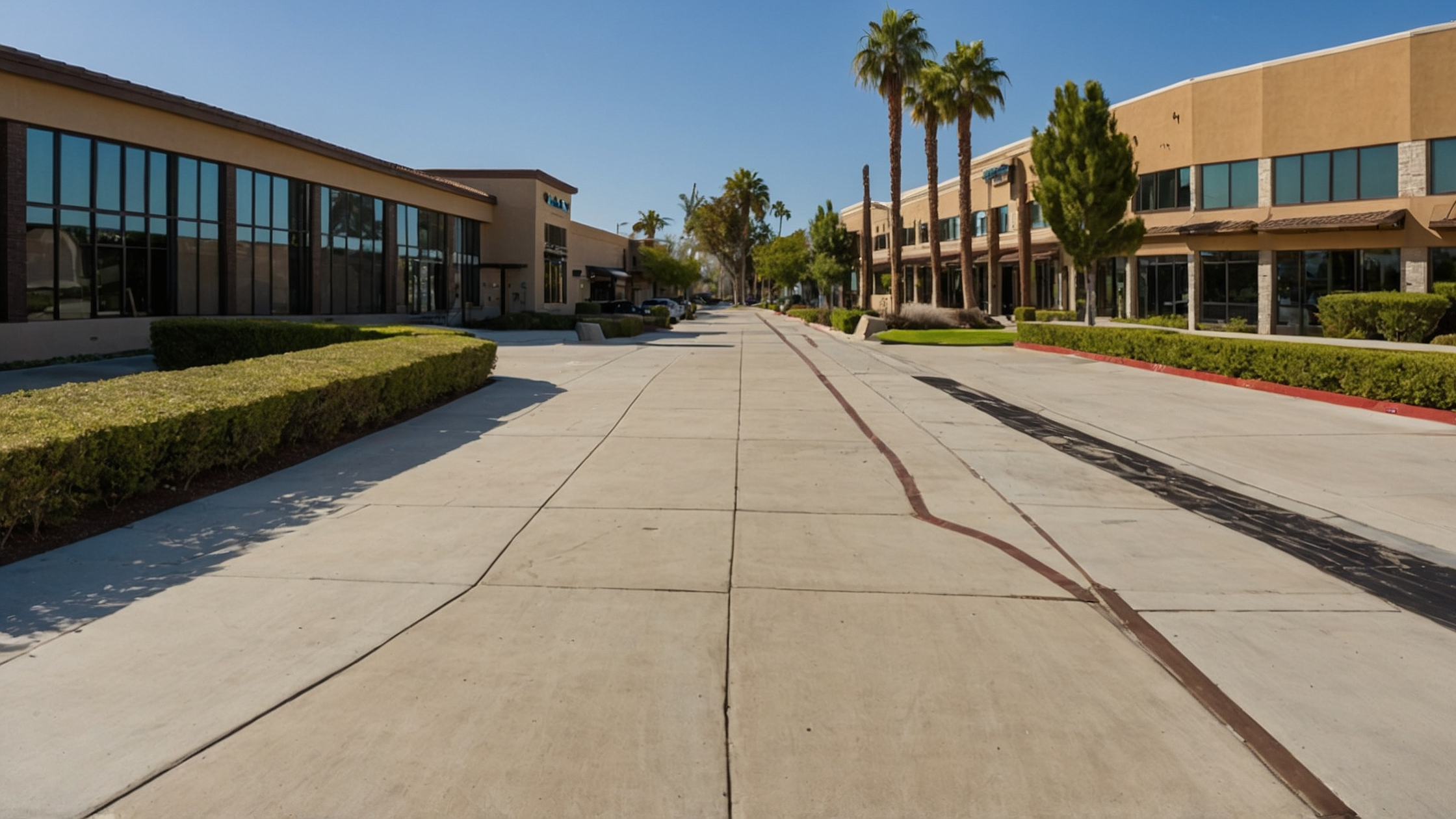
San Diego property owners receiving Safe Sidewalks Program notifications have 18 months to address trip hazards—or face California’s $4,000+ statutory penalties under the Unruh Act. With 85,000+ identified repair locations citywide and average injury claims reaching $46,000*, traditional concrete grinding methods often fail ADA compliance inspections while full replacement devastates maintenance budgets.
Property managers throughout Southern California are discovering that patented horizontal slicing technology delivers 100% ADA-compliant results in 15 minutes per repair*, saving 70-90% versus replacement while meeting California’s strict accessibility standards.
Key Information
- California ADA Compliance: Patented horizontal slicing meets all state requirements, avoiding $4,000+ Unruh Act penalties and $75,000+ federal violation fines
- Proven Cost Savings: 70-90% savings versus removal-and-replace, with 15-minute repair times* minimizing business disruption
- San Diego Program Expertise: Navigate the Safe Sidewalks Program’s $2,100+ fee waivers and streamlined permitting through 2026
- Advanced Asset Management: GIS-powered surveys and maintenance planning optimized for Southern California’s climate conditions
Overview
This comprehensive guide provides Southern California property owners with the definitive resource for eliminating sidewalk trip hazards while maintaining ADA compliance and maximizing budget efficiency. Unlike generic repair content, this guide addresses California-specific regulations, leverages 25+ years of regional expertise, and explains why patented horizontal slicing technology outperforms traditional grinding and replacement methods. Property owners will understand the complete process from initial GIS survey through final compliance documentation.
California ADA Compliance Requirements for Sidewalk Trip Hazards
 California’s Unruh Act (Civil Code Section 51) mandates minimum $4,000 statutory damages per ADA violation, plus attorney fees—significantly higher than federal-only penalties. This creates substantial liability exposure for property owners who delay compliance or choose repair methods that fail inspection standards.
The Americans with Disabilities Act Standards require maximum 1/4″ vertical changes, with California building codes specifying precise measurement protocols using smart levels with 0.1-degree accuracy. Traditional grinding methods often leave rough surfaces and fail to meet these stringent requirements.
Recent precedent demonstrates California’s aggressive enforcement stance. Los Angeles agreed to a $1.3 billion ADA settlement for sidewalk accessibility improvements, while over 20,000 ADA-related lawsuits have been filed in California since 1992.
California ADA Penalty Structure: State vs. Federal Violations
Property owners face dual penalty exposure under California law. Federal ADA violations carry fines up to $75,000 for first incidents and $150,000 for subsequent violations. California’s Unruh Act adds state-specific penalties of $4,000+ per violation, making combined exposure potentially devastating for non-compliant properties.
Caltrans DIB 82-06 Compliance Procedures and Measurement Standards
California transportation authorities require specific measurement protocols for sidewalk compliance. Smart level measurements must demonstrate 2% maximum cross slope and verify precise vertical change compliance. These technical requirements exceed what traditional grinding can reliably achieve.
How Horizontal Slicing Guarantees ADA Compliance vs. Grinding Methods
Patented horizontal slicing technology removes trip hazards edge-to-edge with precision cuts that create smooth, measurable transitions meeting all California requirements. Unlike grinding, which leaves rough surfaces and often fails to reach panel edges, horizontal slicing delivers consistent compliance results.
All timelines and service cost ranges are provided for general information only. Actual project duration and service costs will depend on the specific property conditions, scope of work, accessibility requirements, and agreed-upon scope of service as set forth in the written service agreement.
Patented Horizontal Slicing vs. Traditional Concrete Grinding Methods
Traditional grinding methods promoted by many contractors leave rough surfaces, often fail to reach panel edges, and frequently require multiple passes to achieve questionable compliance. Property owners investing in grinding often discover their sidewalks still fail ADA inspections, requiring additional expensive repairs.
Patented horizontal slicing technology removes trip hazards with precision cuts that extend completely across panel widths. This method creates smooth, uniform transitions that consistently meet California’s strict measurement requirements. The process takes 15 minutes per repair* with immediate pedestrian access, compared to hours of grinding that may still leave compliance issues.
Technical Specifications: Why Horizontal Slicing Outperforms Grinding
Horizontal slicing uses specialized cutting equipment to create precise beveled transitions that meet ADA Standards for Accessible Design requirements. The cutting process removes material in controlled amounts, allowing exact compliance with 1/4″ maximum vertical change requirements.
Grinding equipment cannot reliably reach concrete panel edges and often creates uneven surfaces that fail inspection. The process generates dust, requires multiple passes, and frequently leaves cosmetically unacceptable results that don’t guarantee compliance.
Cost-Benefit Analysis: Cutting vs. Replacement in Southern California
Trip hazard removal using horizontal slicing typically costs 70-90% less than full panel replacement. While replacement projects might cost $15-25 per square foot* and require days of disruption, horizontal slicing delivers compliance for a fraction of that investment with minimal operational impact.
The San Diego Safe Sidewalks Program offers additional savings through permit fee waivers exceeding $2,100* for qualifying properties, making professional repair even more cost-effective.
Case Study: 2,000+ Southern California Repairs Completed
Over 25 years serving Southern California, Precision Concrete Cutting has completed 2,000+ sidewalk repairs using patented horizontal slicing technology. These projects demonstrate consistent ADA compliance results across diverse property types, from commercial complexes to municipal facilities.
The Complete Service Process: GIS Survey Through Final Documentation
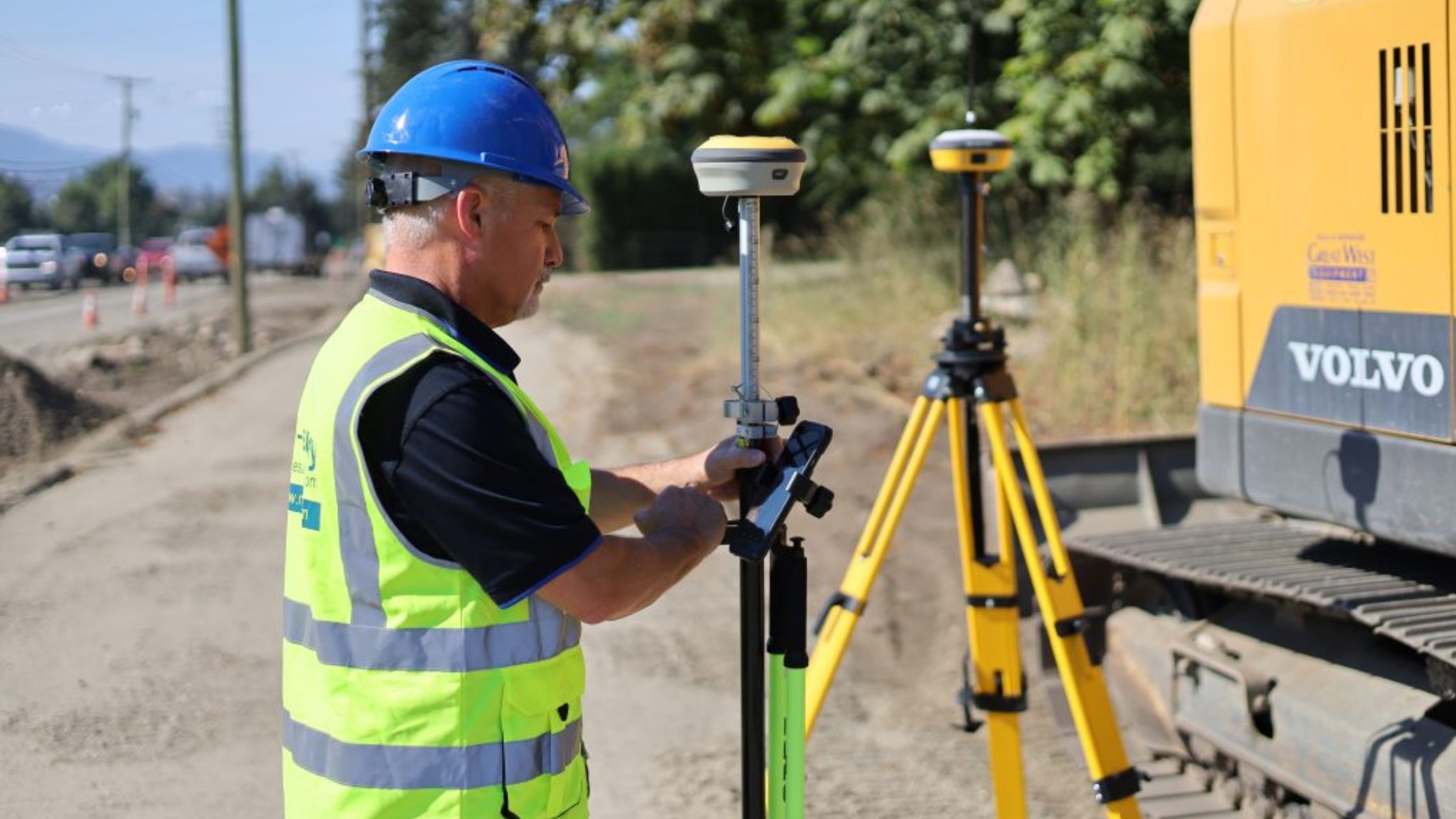 Comprehensive sidewalk inspection and assessment begins with advanced GIS technology that identifies all trip hazards with GPS coordinates. This creates a complete asset management database that supports long-term maintenance planning and compliance documentation.
The initial survey process typically takes 2-4 hours* depending on property size and complexity. Professional assessment includes precise measurements, photographic documentation, and compliance evaluation according to California standards.
Phase 1: Advanced GIS Survey and Hazard Mapping
GIS-powered surveys create comprehensive databases that track every sidewalk panel condition, repair history, and maintenance requirements. This technology provides property managers with detailed asset information that supports budget planning and preventative maintenance strategies.
Professional surveyors document existing conditions, measure trip hazard heights, and identify areas requiring immediate attention versus future monitoring. This data-driven approach ensures efficient resource allocation and compliance prioritization.
Phase 2: Precision Horizontal Slicing Execution
Repair execution using patented horizontal slicing technology requires minimal setup and produces immediate results. The cutting process creates precise beveled transitions that eliminate trip hazards while maintaining structural integrity and aesthetic appearance.
Most repairs are completed in 15 minutes* with no curing time required. Pedestrian access is immediately restored, minimizing disruption to business operations and foot traffic.
Phase 3: ADA Compliance Documentation and Reporting
Complete documentation packages include before and after photographs, precise measurements, GPS coordinates, and compliance certification. This documentation provides legal protection and demonstrates proactive maintenance for insurance and liability purposes.
Property owners receive detailed reports that support ongoing asset management and future maintenance planning. These records prove valuable for insurance claims, liability defense, and regulatory compliance verification.
Liability Reduction and Insurance Benefits for Property Owners
 California premises liability law holds property owners responsible for maintaining safe pedestrian access. Sidewalk liability exposure includes both state and federal penalties, making proactive compliance essential for risk management.
Average injury claims in San Diego reach $46,000* according to city data, while ADA violation penalties add thousands more in statutory damages. Property owners who delay repairs face compounding liability as hazards worsen over time.
Quantifying Liability Risk: California Trip-and-Fall Statistics
California courts frequently award substantial damages for trip-and-fall incidents, particularly when ADA violations contribute to injuries. Property owners without proper maintenance documentation face increased liability exposure and reduced defense options.
The California Department of General Services reports that accessibility violations are among the most commonly litigated property issues, with settlements often reaching tens of thousands of dollars plus attorney fees.
Insurance Industry Benefits of Proactive ADA Compliance
Insurance carriers increasingly evaluate ADA compliance as part of liability risk assessment. Properties with documented maintenance programs and compliance efforts may qualify for reduced premiums and improved coverage terms.
Professional documentation from qualified service providers demonstrates due diligence and proactive risk management. This evidence proves valuable during claims processing and liability defense.
Documentation Standards for Legal Protection
Comprehensive documentation should include GPS-mapped repair locations, before and after photographs, compliance measurements, and certification from qualified contractors. This creates a defensible record of proper maintenance and compliance efforts.
Professional service providers using advanced inspection techniques provide documentation that meets legal standards and supports effective liability defense strategies.
San Diego Safe Sidewalks Program Navigation and Fee Waivers
 The City of San Diego Safe Sidewalks Program offers unprecedented savings for property owners addressing trip hazards. The program waives permit fees exceeding $2,100* through June 2026 and provides streamlined self-certification processes for qualifying repairs.
Property owners receiving Notices of Responsibility have 18 months* to complete repairs using the program’s benefits. The city has identified over 5,000 properties requiring notification, with repairs prioritized by pedestrian traffic and safety risk.
Maximizing Safe Sidewalks Program Benefits and Fee Waivers
Program benefits include complete permit fee waivers, expedited approval processes, and simplified documentation requirements. Property owners must work with licensed contractors holding appropriate California certifications and provide proper documentation.
The self-certification process allows property owners to avoid lengthy permit reviews by submitting before and after photographs with contractor certification. This streamlined approach significantly reduces project timelines and administrative burden.
Self-Certification Process and Required Documentation
Self-certification requires detailed documentation from qualified contractors, including compliance measurements, photographic evidence, and professional certification of ADA compliance. Contractors must hold appropriate California licenses and demonstrate expertise in accessibility requirements.
Property owners submit certification packages electronically, avoiding traditional permit review delays. The city reserves rights to inspect completed work but generally accepts proper documentation from qualified contractors.
Working with Licensed C-8 Contractors for Program Compliance
California requires appropriate contractor licensing for sidewalk work, including Class C-8 Concrete Contractor or Class A General Engineering licenses. Property owners should verify contractor credentials and ADA compliance expertise before engaging services.
Specialized service providers with patented technology and proven California experience offer the best combination of compliance assurance and program navigation expertise.
GIS-Powered Maintenance Planning for Southern California Properties
Professional maintenance planning using GIS technology creates comprehensive asset databases that support long-term budget planning and compliance management. Southern California’s dry climate and minimal freeze-thaw cycles provide ideal conditions for strategic maintenance scheduling.
GIS-powered planning identifies maintenance priorities, tracks repair history, and predicts future maintenance needs based on concrete age, traffic patterns, and environmental factors. This data-driven approach optimizes maintenance investments and prevents emergency repairs.
Advanced GIS Dashboard and Asset Management Capabilities
Modern GIS systems provide property managers with detailed dashboards showing sidewalk conditions, repair schedules, and compliance status across entire portfolios. GPS-mapped data supports efficient maintenance routing and contractor coordination.
Real-time reporting capabilities allow immediate assessment of new hazards and integration with existing maintenance schedules. This technology proves particularly valuable for large commercial properties and municipal facilities.
Southern California Climate Advantages for Preventative Maintenance
Southern California’s stable climate eliminates many factors that accelerate concrete deterioration in other regions. The absence of freeze-thaw cycles and consistent temperatures allow predictable maintenance scheduling and extended concrete lifespan.
Property managers can schedule maintenance during optimal weather windows year-round, avoiding weather-related delays common in other climates. This flexibility supports efficient budget planning and contractor scheduling.
Budget Planning and ROI Optimization Strategies
Strategic maintenance planning using GIS data demonstrates clear ROI through reduced emergency repairs, liability exposure, and compliance costs. Preventative maintenance costs significantly less than reactive repairs and compliance violations.
Professional planning services help property owners optimize maintenance budgets by prioritizing high-risk areas and scheduling repairs efficiently. This approach maximizes compliance while minimizing operational disruption.
Frequently Asked Questions
What are the ADA requirements for sidewalk trip hazards in California? California follows federal ADA standards requiring maximum 1/4″ vertical changes but adds state-specific penalties under the Unruh Act. Property owners face $4,000+ statutory damages plus attorney fees for violations, making compliance essential.
What are the penalties for ADA sidewalk violations in California? California violations trigger both federal penalties ($75,000+ for first violation) and state penalties ($4,000+ under Unruh Act). Combined exposure can be substantial, particularly for properties with multiple violations.
What’s the difference between concrete grinding and horizontal slicing for trip hazards? Horizontal slicing uses patented cutting technology to remove hazards edge-to-edge with precision, while grinding leaves rough surfaces and often fails ADA compliance inspections. Horizontal slicing guarantees compliance results.
How long does sidewalk trip hazard repair take with horizontal slicing? Most repairs are completed in 15 minutes* with immediate pedestrian access restored. This compares favorably to hours of grinding or days of replacement disruption.
How much can I save using horizontal slicing vs. sidewalk replacement in San Diego? Horizontal slicing typically saves 70-90% versus full replacement while delivering superior compliance results. The San Diego Safe Sidewalks Program adds $2,100+* in permit fee waivers through 2026.
Do I need a permit for sidewalk trip hazard repair in San Diego? Yes, but the Safe Sidewalks Program offers substantial fee waivers and streamlined self-certification for qualifying repairs using licensed contractors with proper documentation.
How can GIS surveying help with sidewalk maintenance planning? GIS creates comprehensive asset databases with GPS coordinates, repair history, and predictive maintenance scheduling. This technology optimizes budget planning and compliance management for Southern California properties.
What documentation is required for ADA compliance after trip hazard repair? Complete packages include before and after photographs, precision measurements, GPS coordinates, and professional certification. This documentation provides legal protection and compliance verification.
All timelines and service cost ranges are provided for general information only. Actual project duration and service costs will depend on the specific property conditions, scope of work, accessibility requirements, and agreed-upon scope of service as set forth in the written service agreement.
Note: While some repair methods discussed here (e.g., grinding or slab replacement) may be performed by general contractors, Precision Concrete Cutting specializes specifically in trip hazard removal using patented horizontal slicing. We do not perform grinding or concrete pouring services.
For Southern California property owners seeking ADA compliance and liability reduction, contact us at 760-334-8921 for professional assessment and specialized service consultation.
Sources
California Regulatory Resources
- California Civil Code Section 51 (Unruh Act) – California state ADA penalty and civil rights enforcement
- Caltrans Permanent Pedestrian Facilities ADA Compliance Handbook – Official California pedestrian facility compliance standards
- City of San Diego Safe Sidewalks Program – Municipal sidewalk repair program guidelines and fee waivers
Professional and Industry Sources
- ADA Non-Compliance Consequences – Legal settlements and enforcement case studies
- ADA Compliance Fines and Penalties – Federal ADA violation penalty structure
Building Code and Compliance Authorities
- 2010 ADA Standards for Accessible Design – Federal accessibility design requirements
- U.S. Access Board Floor and Ground Surfaces Guide – Technical specifications for accessible surfaces
- California Contractors State License Board – Contractor licensing requirements and verification
- California Department of General Services – State accessibility compliance oversight
Service Consultation Disclaimer
This article provides general information about Southern California ADA compliance and sidewalk safety and should not be considered as specific technical advice for your property. Compliance requirements, repair methods, and procedures vary significantly based on individual property conditions, jurisdiction within California, and specific accessibility needs. Project schedules, service timelines, and maintenance processes can be affected by many factors specific to each property.
All timelines and service cost ranges are provided for general information only. Actual project duration and service costs will depend on the specific property conditions, scope of work, accessibility requirements, and agreed-upon scope of service as set forth in the written service agreement.
For confidential assessment and specialized service for your specific Southern California property, contact Precision Concrete Cutting or 760-334-8921. Our patented horizontal slicing specialists will provide personalized technical analysis based on your specific property conditions and compliance requirements. No service agreement is created by reading this article.

