

Sidewalk repairs on your property can be disruptive, but they don’t have to be a major headache. Are you worried about how these repairs will affect your daily routine? This guide will show you practical ways to minimize disruptions during sidewalk repairs. You’ll learn effective scheduling techniques, traffic management strategies, and communication methods to keep everyone informed. By following these tips, you can ensure a smoother repair process with less inconvenience to you and your neighbors.
Key Takeaways
- Effective scheduling and coordination with authorities minimize disruptions during sidewalk repairs
- Clear communication and safety measures ensure smooth pedestrian flow during construction
- Selecting efficient materials and training workers optimize the repair process and reduce downtime
- Hiring experienced contractors brings expertise and efficiency to sidewalk repair projects
- Post-repair feedback helps improve future maintenance efforts and address remaining issues promptly
Plan Effective Sidewalk Repair Scheduling
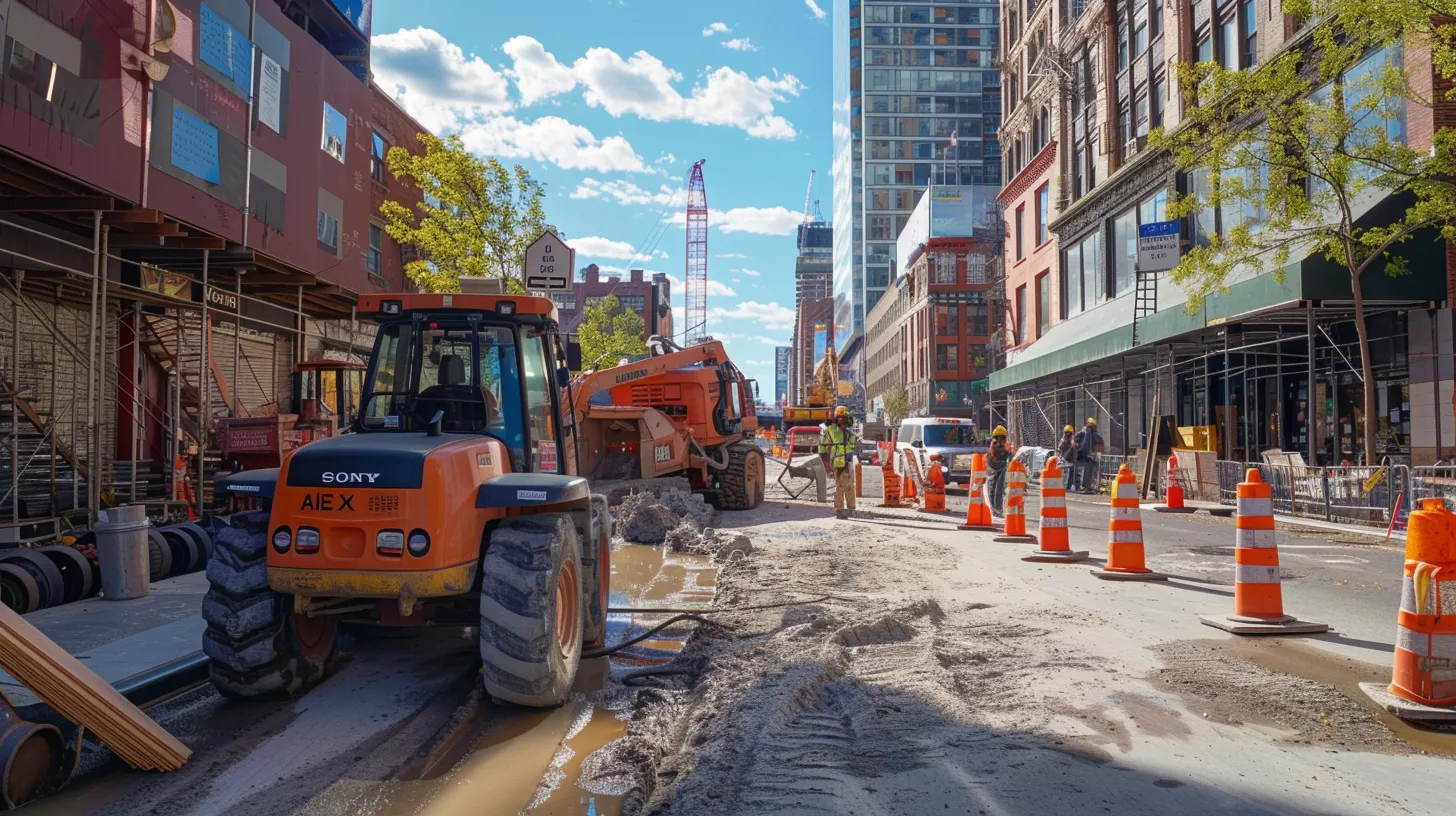
Effective scheduling is crucial for minimizing disruptions during sidewalk repairs. This section covers assessing optimal repair times, coordinating with local authorities in North Carolina, and communicating with property users. By carefully planning construction and concrete repair services, property owners can ensure efficient drainage improvements while reducing inconvenience. A skilled contractor can help navigate these aspects for a smoother repair process.
Assessing Best Times for Repairs
Selecting the optimal time for sidewalk repairs requires careful consideration to minimize disruption. Property owners should assess factors such as weather conditions, peak usage periods, and potential water hazards that may impact the repair process. By scheduling work during off-peak hours and avoiding times of high foot traffic, contractors can mix and pour concrete with minimal interference, reducing the risk of accidents and ensuring proper attention to detail.
Coordinating With Local Authorities for Notification
Property owners must coordinate with local authorities to obtain necessary permits and provide proper notification before starting sidewalk repairs. This process ensures compliance with regulations and minimizes potential conflicts. Contractors should work closely with city officials to address concerns related to tree roots, moisture control, and concrete slab placement, ensuring precision in the repair process. Key steps include:
- Obtaining required permits
- Notifying adjacent property owners
- Coordinating with utility companies
- Scheduling inspections as needed
- Adhering to local construction guidelines
Communicating With Property Residents and Visitors
Property owners should maintain clear communication with residents and visitors throughout the sidewalk repair process. They can minimize disruptions by providing timely updates on concrete paving schedules, potential erosion concerns, and waste management procedures. Informing users about temporary walkways and safety measures helps reduce wear on newly repaired surfaces and ensures a smoother experience for all involved.
Implement Traffic Management Strategies

Effective traffic management during sidewalk repairs ensures safety and minimizes disruptions. Property owners should focus on creating safe pedestrian pathways, using clear signage, and employing barricades. These strategies, combined with precision concrete cutting techniques and ADA compliance knowledge, help maintain a smooth flow of foot traffic. Environmentally friendly practices further enhance the repair process, demonstrating responsible management.
Creating Safe Pathways for Pedestrians
Property owners can create safe pathways for pedestrians during sidewalk repairs by implementing temporary walkways and clear signage. These measures help maintain community access while addressing uneven sidewalks and minimizing noise disruptions. By carefully planning detours within budget constraints, property managers can ensure pedestrian safety and reduce the impact of construction on daily foot traffic.
Using Signage to Direct Foot Traffic
Clear signage plays a crucial role in directing pedestrian traffic during sidewalk repairs. Property owners should strategically place signs to guide pedestrians around construction areas, helping them avoid potential sidewalk trip hazards and uneven soil surfaces. Understanding pedestrian flow patterns enables effective sign placement, ensuring safe navigation through or around repair zones. This approach minimizes disruptions to foot traffic while maintaining road safety for all users.
Employing Barricades for Safety
Barricades serve as essential safety measures during sidewalk repairs, protecting pedestrians from potential hazards such as exposed roots, potholes, and debris. Property owners should strategically place these barriers around repair areas, effectively guiding foot traffic away from uneven surfaces and curb work. By using sturdy, visible barricades, contractors can create a safe work environment while minimizing disruptions to pedestrian flow and reducing the risk of accidents caused by loose sidewalk materials.
Optimize the Repair Process
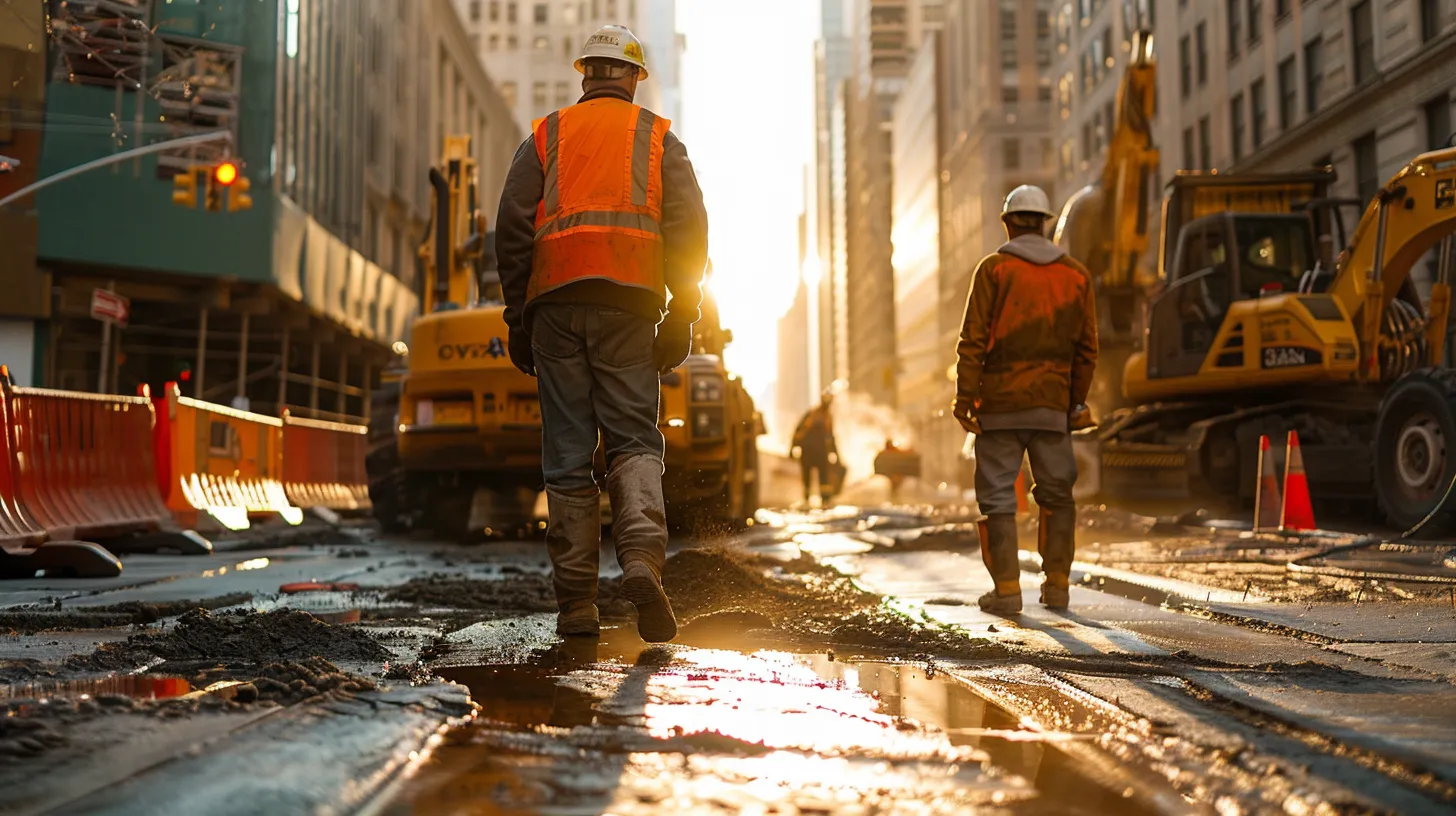
Optimizing the repair process is crucial for minimizing disruptions during sidewalk repairs. This section explores selecting efficient materials, training workers for quick execution, and utilizing technology to enhance workflow. By focusing on these areas, property owners can reduce repair work duration, mitigate risks, and improve overall maintenance efficiency. Proper optimization ensures high-quality concrete repairs while maintaining usability for pedestrians.
Selecting the Right Materials for Efficiency
Selecting efficient materials for sidewalk repairs optimizes the process and minimizes disruptions. Contractors should choose durable concrete mixes that cure quickly and withstand soil compaction, reducing the need for frequent repairs. These materials should also enhance accessibility by providing smooth, even surfaces that eliminate hazards. By considering factors such as weather resistance and compatibility with existing structures, property owners can ensure long-lasting repairs that extend to driveways and other adjacent areas.
Training Workers for Quick Execution
Effective training programs equip workers with skills to execute sidewalk repairs swiftly, reducing downtime and minimizing disruptions. Workers learn techniques for efficient tree root management, vehicle traffic coordination, and maintaining walkability during repairs. Training also covers strategies for dealing with ice and other weather-related challenges, ensuring repairs progress smoothly in various conditions.
Utilizing Technology for Enhanced Workflow
Technology enhances workflow efficiency in sidewalk repair projects, minimizing disruptions and improving sustainability. Advanced auditing tools help contractors quickly identify uneven sidewalks and areas of wear and tear, streamlining the repair process. Digital project management systems enable real-time coordination among workers, reducing downtime and ensuring prompt completion of repairs. These technological solutions not only expedite the repair process but also contribute to long-term sidewalk durability, reducing the frequency of future maintenance needs.
Establish Clear Communication Channels

Establishing clear communication channels is crucial for minimizing disruptions during sidewalk repairs. Property owners should notify local residents before work begins, provide regular updates on progress, and offer a point of contact for concerns. This approach helps manage expectations about dust, cement use, and traffic impacts while addressing legal liability issues and ensuring repair longevity.
Notifying Local Residents Prior to Repairs
Property owners should notify local residents before initiating sidewalk repairs to minimize disruptions and maintain safety. This proactive approach allows residents to prepare for potential impacts on transport and aesthetics during concrete sidewalk leveling. By providing advance notice, property owners demonstrate consideration for the community and help ensure smooth execution of repairs while preserving the functionality of sidewalks.
Providing Regular Updates During Repairs
Regular updates during sidewalk repairs help maintain effective communication and minimize disruptions. Property owners should provide timely information about repair progress, potential impacts on infrastructure, and adjustments due to weather conditions like rain. These updates enable residents to plan accordingly and demonstrate the property owner’s commitment as a community leader. Efficient communication channels for repair services updates include:
Offering a Point of Contact for Concerns
Property owners should designate a specific point of contact for concerns during sidewalk repairs. This individual can address questions about waste management, root removal, and pavement conditions, ensuring effective communication and minimizing health risks. By providing a dedicated contact, property managers demonstrate commitment to community well-being and can quickly resolve issues related to the repair process, potentially reducing the project’s carbon footprint through efficient problem-solving.
Engage Professionals for Seamless Repairs
Engaging professionals for sidewalk repairs minimizes disruptions and ensures quality results. Experienced contractors bring expertise in injury prevention and advanced techniques like foam jacking. This section explores the benefits of hiring skilled professionals, locating local experts, and balancing cost with service quality to achieve seamless repairs.
Benefits of Hiring Experienced Contractors
Hiring experienced contractors for sidewalk repairs offers numerous benefits to property owners. These professionals possess the expertise to handle complex issues like root intrusion and uneven surfaces efficiently. They utilize advanced techniques such as mudjacking and diamond grinding to ensure long-lasting results. Experienced contractors also navigate local regulations and permit requirements with ease, minimizing delays and potential legal issues. Their efficiency in completing repairs reduces disruption time for residents and visitors, ultimately saving property owners time and money:
Finding Local Experts in Sidewalk Repairs
Property owners can find local experts in sidewalk repairs by researching reputable contractors with experience in concrete work and ADA compliance. They should seek professionals who understand local regulations and have a proven track record of efficient, high-quality repairs. Checking online reviews, requesting references, and verifying licenses and insurance can help identify reliable contractors who will minimize disruptions during the repair process.
Understanding Cost vs. Quality in Services
Property owners must balance cost and quality when selecting sidewalk repair services. While lower-priced options may seem attractive, they often lead to subpar results and more frequent repairs. Investing in high-quality services from experienced professionals typically results in longer-lasting repairs, reducing overall costs and minimizing future disruptions. Property owners should evaluate contractors based on their expertise, materials used, and warranty offerings to ensure the best value for their investment.
Gather Feedback After Repairs
Gathering feedback after sidewalk repairs is essential for property owners to assess project success and identify areas for improvement. This section covers conducting post-repair surveys, addressing remaining issues promptly, and implementing continuous improvement strategies for future projects. By systematically collecting and analyzing feedback, property owners can enhance their repair processes and minimize disruptions in subsequent maintenance efforts.
Conducting Post-Repair Surveys
Property owners can conduct post-repair surveys to assess the effectiveness of sidewalk repairs and gather valuable feedback from users. These surveys help identify any lingering issues, measure user satisfaction, and inform future improvement strategies. By collecting data on factors such as surface smoothness, accessibility, and overall quality, property managers can evaluate the success of their repair efforts and make informed decisions for future maintenance projects.
Addressing Any Remaining Issues Promptly
Property owners should address any remaining issues promptly after sidewalk repairs to maintain user satisfaction and prevent further disruptions. By quickly resolving concerns such as uneven surfaces or drainage problems, they demonstrate commitment to quality and safety. Prompt action also helps prevent minor issues from escalating into major problems, potentially saving time and resources in the long run.
Continuous Improvement for Future Projects
Property owners can implement continuous improvement strategies for future sidewalk repair projects based on gathered feedback. By analyzing survey results and addressing identified issues, they can refine their repair processes, reducing disruptions in subsequent projects. This approach may involve upgrading materials, improving communication methods, or enhancing traffic management techniques to streamline future repairs and minimize inconvenience for property users.
Conclusion
Minimizing disruptions during sidewalk repairs is crucial for property owners to maintain safety, accessibility, and user satisfaction. Effective planning, clear communication, and professional execution are key to reducing inconvenience and ensuring high-quality results. By implementing traffic management strategies, optimizing repair processes, and engaging experienced contractors, property owners can significantly reduce repair duration and impact on daily activities. Gathering feedback and continually improving repair procedures further enhances the efficiency of future projects, ultimately leading to safer, more durable sidewalks with minimal disruption to property users.

