

San Diego’s aging population and California’s strict accessibility laws make sidewalk repairs a critical safety and legal issue. With over 240,000 residents aged 65+ and thousands more with disabilities, Southern California communities must prioritize accessible pathways that comply with both federal ADA and California’s more stringent accessibility requirements.
Damaged sidewalks create barriers that isolate vulnerable residents and expose property owners to significant liability under California Civil Rights Act provisions. Professional repairs that meet California’s enhanced accessibility standards protect both safety and legal compliance.
Key Takeaways
- California’s accessibility laws exceed federal ADA requirements, demanding higher standards for San Diego sidewalks
- San Diego’s 240,000+ seniors need accessible pathways to maintain independence and community connection
- Tree root damage and slope challenges create unique accessibility barriers in Southern California
- Strategic repairs near senior housing and healthcare facilities provide maximum community benefit
- Professional repair techniques ensure compliance with California’s strict accessibility standards
San Diego’s Unique Accessibility Challenges
Coastal Hills and Elevation Changes
San Diego’s hilly terrain creates accessibility challenges not found in flat metropolitan areas. Steep sidewalk grades in neighborhoods like Hillcrest, Bankers Hill, and Point Loma require specialized design considerations for wheelchair users and seniors with mobility limitations.
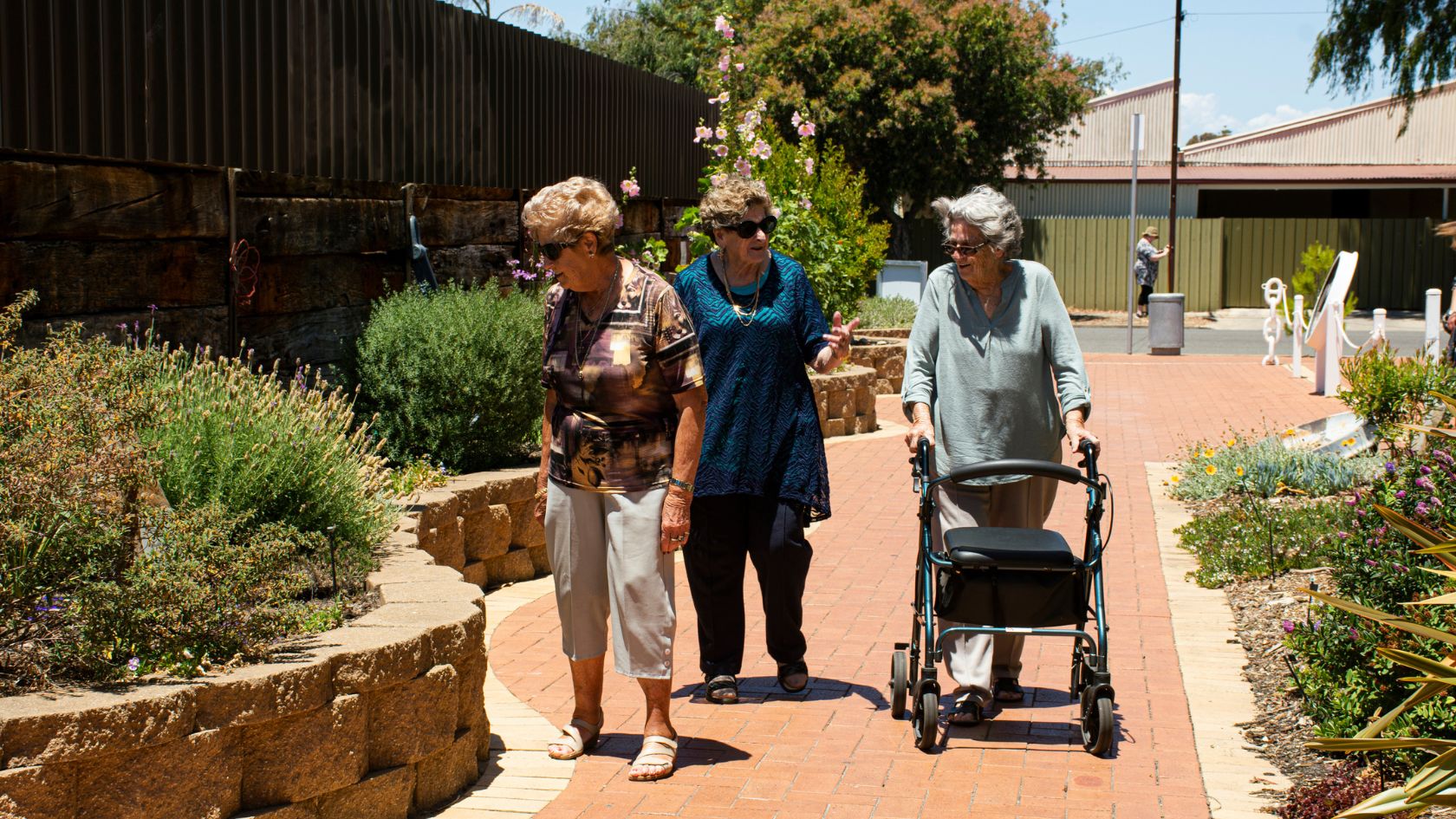 California accessibility law requires careful slope management that balances terrain realities with usability standards. Professional contractors understand how to create compliant pathways even on challenging San Diego topography.
Mature Tree Root Interference
Established neighborhoods throughout San Diego feature massive eucalyptus, oak, and pepper trees that create ongoing accessibility challenges. Root systems push up sidewalk sections, creating dangerous elevation changes that violate accessibility standards.
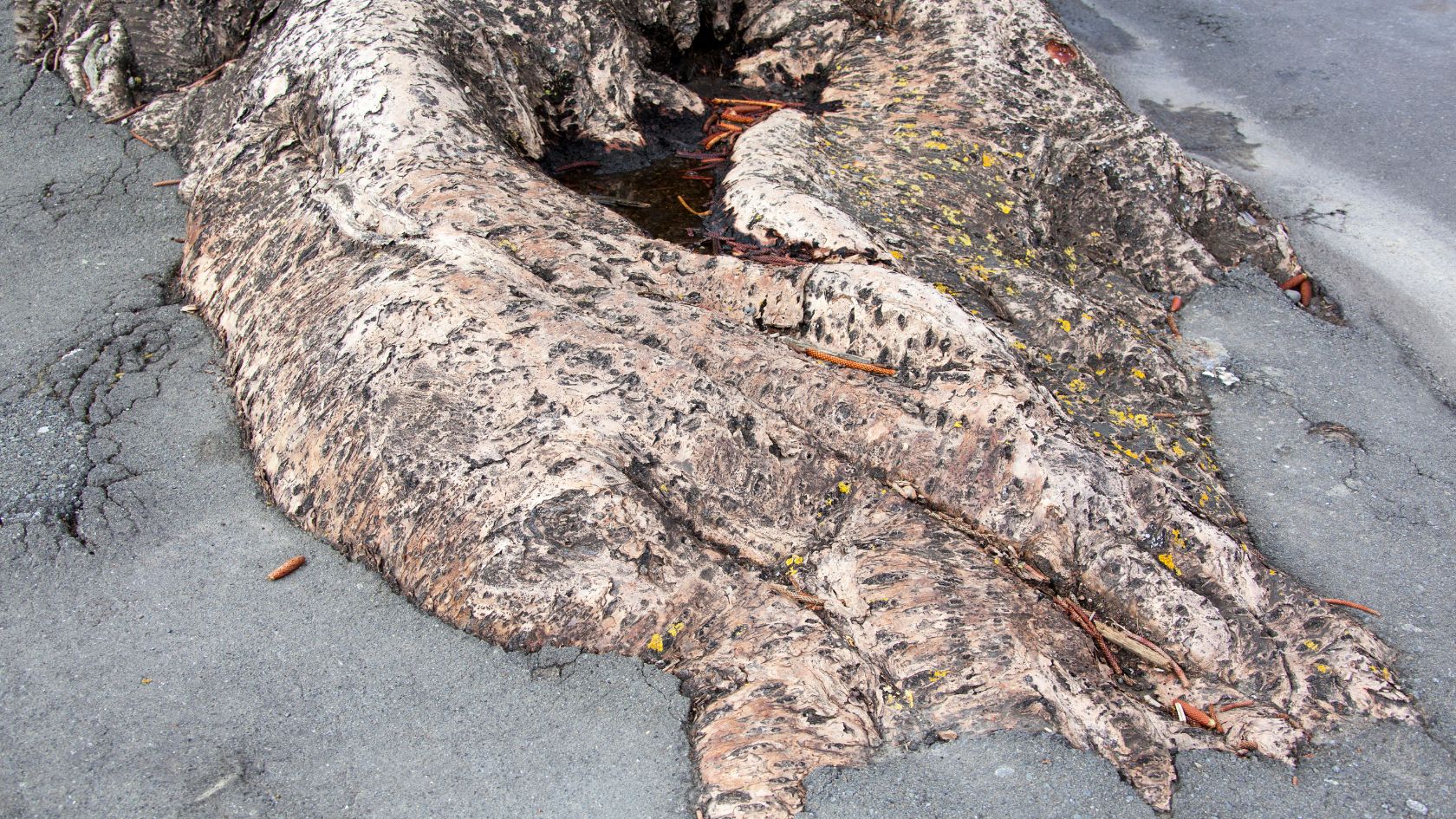 Unlike newer developments, San Diego’s mature urban forest requires ongoing sidewalk modifications to maintain accessible routes as trees continue growing.
High-Traffic Tourist and Commercial Areas
Areas like Balboa Park, the Gaslamp Quarter, and beach communities see heavy pedestrian traffic that includes many elderly visitors and people with disabilities. These zones require robust accessibility features that withstand constant use while meeting California’s enhanced standards.
California’s Enhanced ADA Requirements
Beyond Federal Standards
California Civil Rights Act provisions exceed federal ADA requirements in several key areas affecting sidewalk design and maintenance. Property owners in San Diego must meet these enhanced standards or face state-level liability exposure.
 Key California enhancements include:
- Stricter slope tolerances for ramps and pathways
- Enhanced surface texture requirements for slip resistance
- More stringent transition standards between surfaces
- Additional signage and wayfinding requirements for public spaces
Liability Under California Law
California courts consistently award higher damages for accessibility violations than federal courts. San Diego property owners face dual liability exposure under both federal ADA and California accessibility laws, making compliance essential.
Recent California settlements for sidewalk accessibility violations have reached $500,000+ in the San Diego area, emphasizing the financial importance of proper repairs.
Critical Accessibility Barriers in San Diego
Elevation Changes From Root Damage
San Diego’s mature trees create the region’s most common accessibility violation: elevation changes exceeding 1/4 inch between sidewalk sections. These seemingly minor height differences become major barriers for wheelchair users and create trip hazards for seniors.
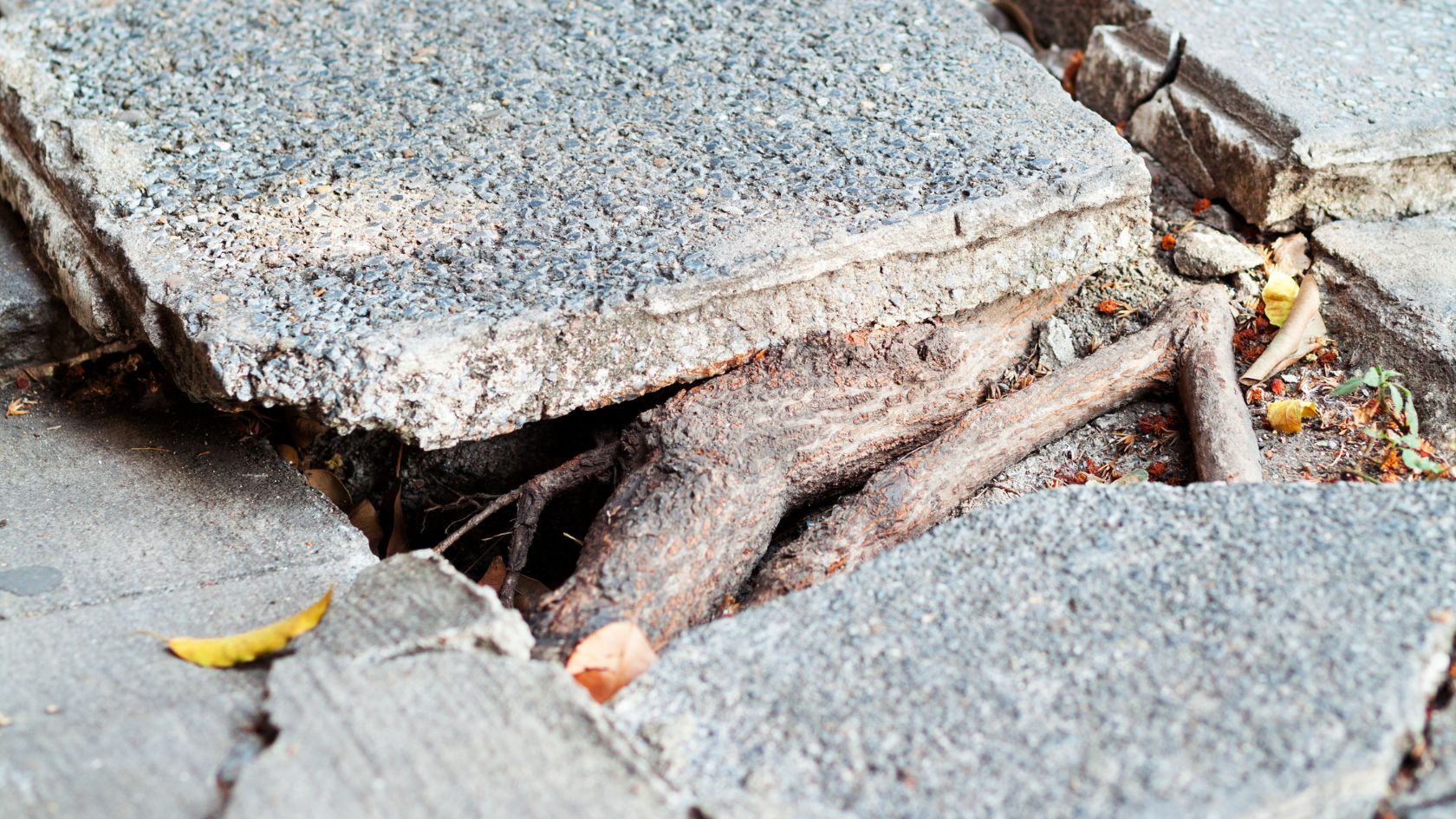 Professional repairs address both the immediate accessibility barrier and underlying root issues to prevent recurrence.
Inadequate Slope Management
Many San Diego sidewalks were built before current accessibility standards, creating slopes that exceed California’s strict requirements. Areas around Balboa Park, downtown, and older residential neighborhoods often need significant modifications.
Surface Quality Issues
San Diego’s intense UV exposure deteriorates concrete surfaces, creating rough textures that impede wheelchair movement and increase fall risks for seniors. Spalling and crumbling edges require specialized repair techniques.
Strategic Repair Prioritization for San Diego
Senior-Dense Communities
San Diego neighborhoods with high senior populations require priority attention for accessibility improvements. Areas like Clairemont, Kensington, and coastal retirement communities need comprehensive sidewalk assessments.
Focusing repairs near senior housing, adult day centers, and healthcare facilities maximizes community impact and ensures those most needing accessible pathways can benefit immediately.
Healthcare and Transit Connections
Sidewalk routes connecting to UC San Diego Health facilities, Sharp hospitals, and Scripps locations require seamless accessibility compliance. These critical connections enable vulnerable residents to access essential services independently.
Similarly, pathways to MTS bus stops and trolley stations need professional assessment to ensure public transportation remains accessible to all San Diego residents.
High-Traffic Commercial Areas
Tourist areas like Seaport Village, Liberty Station, and beach boardwalks must maintain accessibility under heavy use conditions. These locations require specialized materials and design approaches suited to San Diego’s climate and usage patterns.
California-Compliant Repair Techniques
Precision Slope Adjustment
San Diego’s terrain requires sophisticated techniques to achieve California’s strict slope requirements while maintaining functionality. Professional contractors use laser-guided equipment to ensure precise compliance with accessibility standards.
 Modern repair methods can retrofit existing sidewalks to meet current standards without complete replacement, saving property owners significant costs.
Enhanced Surface Textures
California requires specific surface finishes that provide traction without impeding wheelchair movement. San Diego contractors use specialized techniques to create compliant textures that withstand UV exposure and thermal cycling.
Seamless Transition Creation
California’s enhanced transition requirements demand precise craftsmanship at curb ramps, driveway intersections, and property entrances. Professional installation ensures compliance with state standards that exceed federal requirements.
Universal Design Benefits for San Diego
Supporting Active Aging
San Diego’s climate encourages year-round outdoor activity, making accessible sidewalks essential for active aging. Well-designed pathways enable seniors to maintain independence while enjoying the region’s exceptional weather and outdoor amenities.
Accessible sidewalks support the active lifestyle that attracts many retirees to San Diego, contributing to the region’s economic vitality.
Tourist and Visitor Accessibility
San Diego’s tourism economy benefits when visitors with disabilities can easily navigate attractions, hotels, and dining areas. Accessible sidewalk infrastructure supports the hospitality industry by ensuring all visitors can enjoy what the region offers.
Property Value Enhancement
Neighborhoods with comprehensive accessibility features command premium prices in San Diego’s competitive real estate market. Accessibility improvements represent investments in long-term property values and community desirability.
Health and Safety Benefits
Fall Prevention for Seniors
San Diego’s large senior population faces significant fall risks from uneven sidewalks and poor accessibility features. Professional repairs eliminate trip hazards and create stable walking surfaces that reduce injury risks.
Preventing falls through accessible design reduces healthcare costs and maintains quality of life for vulnerable residents.
Mental Health Through Independence
Accessible sidewalks enable independence that supports mental health for seniors and disabled residents. The ability to navigate San Diego’s neighborhoods independently prevents isolation and supports community engagement.
Active Transportation Benefits
San Diego’s bike-friendly initiatives and walkable neighborhoods depend on accessible infrastructure. Universal design principles support multiple transportation modes while accommodating diverse user needs.
Professional Repair Solutions for San Diego
Climate-Appropriate Materials
San Diego’s unique climate demands specialized materials that maintain accessibility features despite UV exposure and temperature fluctuations. Professional contractors select materials proven to perform in Southern California conditions.
Compliance Verification
Professional repairs include documentation verifying compliance with both federal ADA and enhanced California accessibility requirements. This documentation protects property owners from future liability claims.
Ongoing Maintenance Planning
San Diego’s environmental conditions require proactive maintenance to preserve accessibility features. Professional contractors provide maintenance schedules that address climate-specific deterioration patterns.
Economic Impact of Accessible Infrastructure
Healthcare Cost Reduction
Accessible sidewalks reduce falls and injuries that burden San Diego’s healthcare system. Investment in accessibility infrastructure generates long-term savings through injury prevention.
Business Access Enhancement
Accessible pathways increase customer access for San Diego businesses, particularly important given the region’s large senior population and tourist industry.
Property Tax Revenue
Neighborhoods with comprehensive accessibility features maintain higher property values, supporting San Diego’s tax base and funding municipal services.
Implementation Success Stories
Balboa Park Accessibility Improvements
Recent accessibility upgrades throughout Balboa Park demonstrate how professional repairs can enhance accessibility while preserving historic character. These improvements serve as models for other San Diego heritage areas.
Downtown Gaslamp Quarter Upgrades
Commercial district accessibility improvements in the Gaslamp Quarter show how professional repairs can meet California’s strict standards while supporting business activity and tourism.
Residential Neighborhood Transformations
Successful accessibility improvements in communities like Kensington and Normal Heights illustrate how strategic repairs can transform neighborhood walkability for seniors and disabled residents.
Moving Forward: Creating an Accessible San Diego
San Diego’s growing senior population and California’s enhanced accessibility requirements make professional sidewalk repairs essential for community health, safety, and legal compliance. Strategic investments in accessible infrastructure support the region’s economic vitality while ensuring all residents can participate fully in community life.
Professional repair techniques ensure compliance with California’s strict standards while addressing San Diego’s unique climate and terrain challenges. These investments protect property values, reduce liability exposure, and create the inclusive communities that define Southern California’s quality of life.
Communities that prioritize accessibility create environments where aging residents can maintain independence while new residents with disabilities feel welcomed and supported.
Ready to ensure your San Diego property meets California’s accessibility standards? Schedule a professional assessment to identify accessibility barriers and develop a compliance plan that protects your investment while serving your community.
FAQ
What makes California’s accessibility requirements different from federal ADA standards? California Civil Rights Act provisions include stricter slope tolerances, enhanced surface requirements, and additional signage standards that exceed federal ADA minimums.
How do San Diego’s hills affect accessibility compliance? San Diego’s terrain requires specialized design techniques to achieve California’s strict slope requirements while maintaining functionality on challenging topography.
What accessibility features are most important for San Diego’s senior population? Level surfaces, proper slope management, slip-resistant textures, and seamless transitions are critical for San Diego’s 240,000+ senior residents.
How do tree roots affect accessibility in San Diego neighborhoods? Mature trees throughout San Diego create elevation changes that violate accessibility standards, requiring ongoing professional management and repair.
What’s the liability exposure for accessibility violations in California? California courts award higher damages than federal courts, with recent San Diego area settlements exceeding $500,000 for accessibility violations.
How often should San Diego sidewalks be inspected for accessibility compliance? Annual inspections are recommended given San Diego’s climate conditions and ongoing tree root pressure that can quickly create new accessibility barriers.

