
San Diego’s unique Mediterranean climate demands specific materials for lasting sidewalk repairs. Intense UV exposure, temperature fluctuations, and aggressive tree root systems create challenges that generic repair materials can’t handle. Choosing the right materials means the difference between repairs that last decades and ones that fail within months.
 Southern California’s dry conditions, coupled with occasional winter rains and daily temperature swings, require specialized material properties. Property owners who understand these local factors can avoid costly repeat repairs and ensure California ADA compliance.
Key Takeaways
- San Diego’s UV exposure and temperature swings demand UV-resistant, flexible materials
- Tree root pressure from mature SoCal landscaping requires materials with superior bonding strength
- California ADA compliance requires specific material properties for slip resistance and accessibility
- Premium materials cost more upfront but save thousands in repeat repairs
- Professional-grade materials perform significantly better than DIY options in Southern California conditions
Why San Diego Climate Demands Special Materials
Intense UV Exposure Degrades Standard Materials
San Diego receives over 260 sunny days annually, creating UV exposure levels that rapidly degrade standard repair materials. Concrete additives and sealants not designed for California’s intense sunlight become brittle and fail within 2-3 years.
 Materials successful in moderate climates often crack and spall in San Diego’s conditions. Professional contractors use UV-stabilized polymers and specialized concrete mixes that maintain flexibility despite constant sun exposure.
Temperature Fluctuations Stress Repair Joints
Daily temperature swings from cool coastal mornings to hot inland afternoons create constant expansion and contraction. Standard concrete repairs crack at joint lines when materials can’t accommodate this thermal movement.
Successful San Diego repairs use polymer-modified materials that flex with temperature changes rather than fighting them. This prevents the stress fractures common with rigid repair compounds.
Tree Root Pressure From Mature Urban Forest
San Diego’s established neighborhoods feature massive eucalyptus, oak, and palm trees with root systems that dwarf typical suburban landscaping. These mature trees exert tremendous pressure on sidewalk repairs, requiring materials with exceptional bonding strength.
California ADA Compliance Material Requirements
Slip Resistance Standards
California’s strict ADA requirements mandate specific surface textures for sidewalk materials. Repairs must maintain consistent slip resistance that matches existing surfaces while meeting accessibility standards.
 Materials used for repairs near commercial properties, public buildings, or multi-family housing must achieve specific coefficient of friction ratings. Professional contractors understand these requirements and select materials accordingly.
Surface Transition Requirements
California accessibility laws require smooth transitions between repaired and existing surfaces. This demands materials that can be precisely leveled and finished to eliminate potential tripping hazards.
Repairs that don’t meet these standards expose property owners to liability under both state and federal accessibility laws.
Top Materials for Southern California Sidewalk Repairs
Polymer-Modified Concrete: The SoCal Standard
Polymer-modified concrete incorporates acrylic or latex additives that provide flexibility and UV resistance essential for San Diego conditions. These materials cost 15-20% more than standard concrete but last 2-3 times longer in Southern California’s climate.
 Key advantages for San Diego applications:
- Excellent adhesion to existing concrete despite alkaline soil conditions
- Maintains flexibility through temperature cycles
- Resists UV degradation that destroys standard concrete additives
- Superior resistance to tree root pressure
Epoxy-Based Compounds for Structural Repairs
For cracks caused by tree root pressure or soil settlement, epoxy injection systems provide molecular-level bonding that often exceeds original concrete strength. These materials penetrate deep into cracks, creating permanent repairs that accommodate ongoing stress.
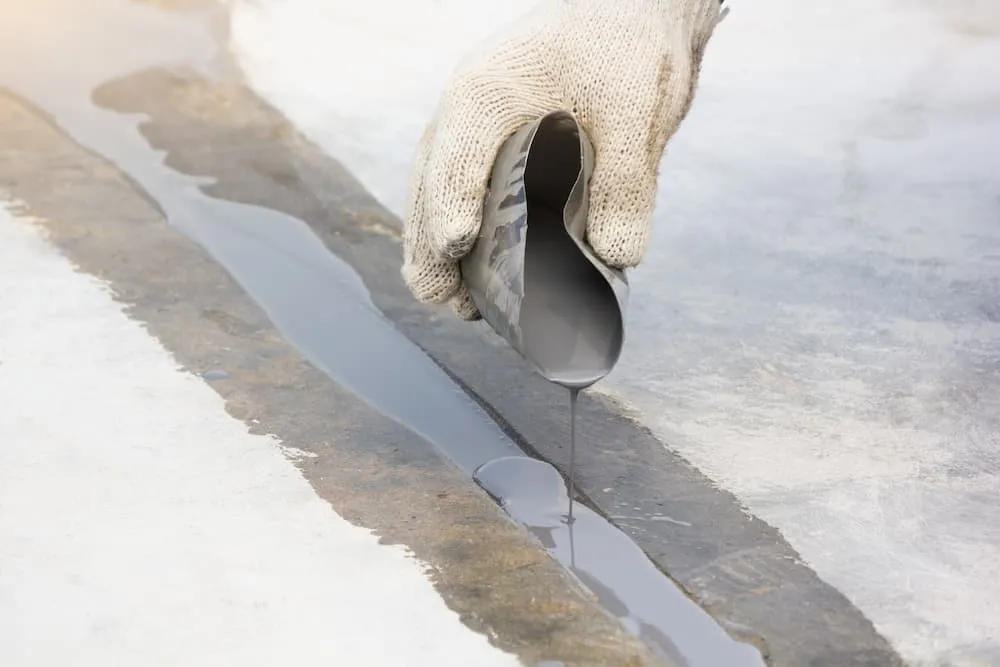 Professional-grade epoxies resist the alkaline conditions common in Southern California soils and maintain bond strength despite thermal cycling.
Self-Leveling Overlays for Surface Restoration
Self-leveling overlays efficiently address widespread surface damage common in San Diego’s older neighborhoods. These materials automatically create smooth, uniform surfaces while accommodating minor elevation differences.
Benefits for San Diego applications:
- Quick application reduces disruption in busy neighborhoods
- Excellent adhesion to sun-damaged existing concrete
- Can be textured for ADA compliance during application
- Resists cracking from thermal movement
Protective Systems for Extended Life
UV-Resistant Sealers
San Diego’s intense sunlight makes protective sealers essential rather than optional. Silicone-based sealers provide superior UV resistance while maintaining breathability that prevents moisture problems during winter rains.
Professional sealers designed for Southern California conditions include:
- UV inhibitors that prevent material breakdown
- Flexibility to accommodate thermal movement
- Breathable formulations that handle moisture cycling
Anti-Root Barrier Systems
For areas near mature trees, anti-root barriers prevent future damage by directing root growth away from repaired surfaces. These systems are particularly important in San Diego’s established neighborhoods.
Material Selection by Repair Type
Minor Crack Repairs
For hairline cracks under 1/8 inch, polyurethane-based fillers provide the flexibility needed to accommodate San Diego’s thermal cycling. These materials remain elastic through temperature extremes while resisting UV degradation.
Structural Crack Repairs
Cracks over 1/4 inch or those showing ongoing movement require epoxy injection systems. These provide structural strength while accommodating the ongoing stresses common in Southern California’s seismic environment.
Full Section Replacement
Complete section replacement uses polymer-modified concrete with fiber reinforcement to handle tree root pressure and thermal stress. Proper material selection prevents repeat failures.
Professional vs. DIY Material Performance
Why Professional Materials Excel in San Diego
Professional-grade materials designed for Southern California conditions significantly outperform consumer options available at home improvement stores. The performance gap becomes critical in San Diego’s challenging environment.
Professional materials offer:
- Specialized UV inhibitors not found in consumer products
- Higher polymer content for flexibility and adhesion
- Longer working times suitable for hot weather application
- Warranties that cover performance in local conditions
Hidden Costs of Consumer-Grade Materials
DIY materials may cost less initially but typically require replacement within 2-3 years in San Diego conditions. Professional repairs using proper materials often last 15-20 years, making them more cost-effective long-term.
Consumer products rarely include the specialized additives needed for San Diego’s UV exposure and temperature extremes.
Installation Factors Critical for San Diego
Timing Application for Weather Conditions
San Diego’s low humidity requires careful timing of material application. Professional contractors schedule work during optimal temperature and humidity windows to ensure proper curing.
Substrate Preparation in Alkaline Conditions
Southern California’s alkaline soil conditions require specialized surface preparation techniques. Proper pH balancing ensures optimal material adhesion and prevents future bonding failures.
Cost Analysis: Investment vs. Replacement Cycles
Upfront Investment in Quality Materials
Premium materials typically cost 20-40% more than standard options but provide 3-5 times longer service life in San Diego conditions. This makes them significantly more cost-effective over time.
Factoring Climate-Related Replacement Costs
Standard materials in San Diego often require replacement every 3-5 years due to UV damage and thermal stress. Premium materials extend this cycle to 15-20 years, dramatically reducing lifetime costs.
Property Value Protection
Quality sidewalk repairs using appropriate materials maintain property values in San Diego’s competitive real estate market. Poor repairs that fail quickly signal neglect to potential buyers.
Maintenance Requirements by Material Type
Sealant Reapplication Schedules
Even premium materials require periodic maintenance in San Diego’s environment. UV-resistant sealers typically need reapplication every 3-5 years to maintain optimal protection.
Inspection Protocols for Early Problem Detection
Regular inspections, particularly after winter rains and summer heat extremes, help identify maintenance needs before they become repair issues.
Making the Right Material Choice for Your San Diego Property
Successful sidewalk repairs in San Diego require materials specifically designed for Southern California’s challenging conditions. The combination of intense UV exposure, temperature fluctuations, aggressive tree roots, and strict ADA requirements demands professional-grade solutions.
Property owners who invest in appropriate materials avoid the frustration and expense of repeat repairs while ensuring compliance with California accessibility laws.
Smart material selection considers not just initial cost but long-term performance in San Diego’s unique environment. Professional contractors understand these requirements and can recommend materials that provide optimal value for specific conditions.
Ready to choose the right materials for your San Diego sidewalk repair? Get a free consultation to learn which materials will perform best for your specific conditions and ensure long-lasting results.
FAQ
What makes San Diego sidewalk repairs different from other regions? San Diego’s intense UV exposure, temperature fluctuations, and mature tree root systems require specialized materials with enhanced flexibility and UV resistance not needed in moderate climates.
Are polymer-modified materials worth the extra cost in Southern California? Yes, polymer-modified materials typically last 2-3 times longer than standard concrete in San Diego conditions, making them more cost-effective despite higher upfront costs.
How often do protective sealers need reapplication in San Diego? UV-resistant sealers should be reapplied every 3-5 years in San Diego’s intense sun exposure, compared to 5-7 years in moderate climates.
What material properties are required for California ADA compliance? California requires specific slip resistance ratings and smooth surface transitions. Professional contractors use materials tested for these requirements.
Can tree root damage be prevented with material selection? While no material stops root growth, epoxy-based repairs and root barrier systems can significantly reduce future damage from San Diego’s aggressive tree root systems.
Why do DIY materials fail faster in San Diego? Consumer-grade materials lack the UV inhibitors and polymer content needed for Southern California conditions, typically failing within 2-3 years compared to 15-20 years for professional materials.

